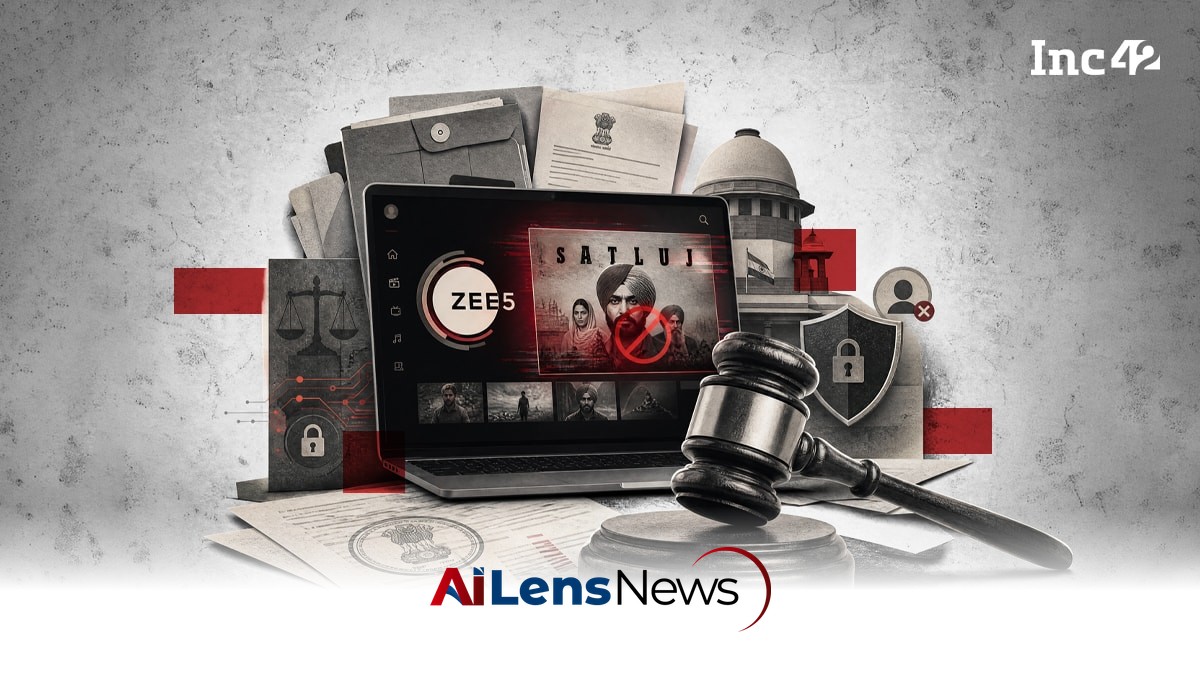


The Centre ordered ZEE5 to remove 'Satluj' due to security concerns, just days after its release, under Section 69A of the IT Act.
New Delhi, India Jul 7, 2026 ALN: The recent directive from the Centre to ZEE5 to remove the film 'Satluj', starring Diljit Dosanjh, underscores the ongoing tensions between content regulation and freedom of expression in India's rapidly evolving digital landscape. This action, taken under Section 69A of the Information Technology Act, highlights the government's authority to intervene in the online content distribution space, particularly when national security and public order are perceived to be at risk.
'Satluj' was initially titled 'Punjab '95' and had faced significant hurdles prior to its release. The film was completed and ready for distribution, but it remained unreleased for over three years. This delay was primarily due to the Central Board of Film Certification (CBFC), which had suggested 127 cuts to the film's content before granting clearance. The filmmakers, however, opted not to make these changes, leading to a protracted negotiation process with the CBFC. Eventually, the film was released on ZEE5 without making any of the recommended cuts, which raises questions about the regulatory framework governing OTT platforms in India.
The film's storyline, which revolves around the life of Punjab human rights activist Jaswant Singh Khalra, is particularly sensitive. Khalra was known for his courageous efforts to expose alleged extra-judicial killings and enforced disappearances carried out by the Punjab Police during the militancy era of the 1990s. His activism not only put him at odds with the authorities but ultimately led to his own enforced disappearance in 1995. The film's portrayal of these events is likely to evoke strong reactions, both for its historical significance and its potential to influence public sentiment regarding state actions during a turbulent period in Punjab's history.
Following the film's release on July 3, 2023, the government's intervention came just two days later, on July 5, indicating a swift response to concerns raised about the film's content. The Ministry of Information and Broadcasting (MIB) formed a high-level inter-departmental committee to scrutinize the film, a move that reflects the government's proactive stance on regulating digital content. This committee is tasked with reviewing complaints related to digital media and making recommendations, which can lead to further actions, including content removal.
ZEE5's announcement regarding the film's unavailability in India was accompanied by a call to action against piracy, emphasizing the platform's commitment to adhering to legal regulations while also expressing a desire to restore the film to its catalog. The statement suggested that the platform is exploring all possible avenues to negotiate the film's return, indicating a willingness to comply with governmental directives while also advocating for its content.
Officials involved in the directive indicated that the filmmakers had initially sought clearance from the CBFC under the original title but had not acted on the suggested cuts, leading to the film's quiet release on an OTT platform. This situation raises important questions about the regulatory oversight of digital content in India, particularly as OTT platforms operate outside the traditional purview of the CBFC. While the CBFC is responsible for certifying films for theatrical release, the Information Technology (Intermediary Guidelines and Digital Media Ethics Code) Rules, 2021, govern the online content landscape.
Section 69A of the IT Act grants the government the power to block or remove online content on various grounds, including national security and public order. This legal framework is essential for understanding the government's rationale behind the directive to remove 'Satluj'. The implications of this action extend beyond the immediate content of the film, reflecting broader concerns about the balance between artistic expression and state interests in maintaining order and security.
Moreover, Part III of the IT Rules, which applies to publishers of online curated content and digital news, empowers the government to issue directives to streaming platforms. This regulatory environment requires OTT platforms to adhere to a Code of Ethics, which mandates that they avoid publishing content that is prohibited by law and classify their content according to age suitability. The failure to comply with these regulations can lead to significant repercussions for platforms, including the removal of content deemed objectionable by the government.
The case of 'Satluj' illustrates the complexities involved in the regulation of digital content in India, particularly as filmmakers and OTT platforms navigate the challenges posed by both creative expression and compliance with legal standards. The film's removal not only reflects governmental oversight but also serves as a reminder to content creators about the importance of understanding the regulatory landscape when producing works that engage with sensitive historical and political themes.
As the digital content landscape continues to evolve, the tension between creative freedom and regulatory compliance is likely to remain a contentious issue. The response to 'Satluj' may set a precedent for how similar cases are handled in the future, shaping the dynamics of content creation and distribution in India. For filmmakers, the incident underscores the necessity of engaging with regulatory bodies early in the production process to mitigate risks associated with content that may provoke governmental scrutiny.
In conclusion, the directive to remove 'Satluj' from ZEE5 highlights the intricate interplay between government regulation and the burgeoning OTT industry in India. As audiences increasingly turn to digital platforms for entertainment, the implications of such regulatory actions will likely resonate throughout the industry, influencing both the types of stories that are told and the manner in which they are presented to the public.
Furthermore, the case also raises questions about the future of storytelling in a country where historical narratives can be contentious. The portrayal of sensitive subjects, particularly those involving state actions during periods of unrest, may lead to heightened scrutiny from regulators. Filmmakers may need to adopt more cautious approaches in their storytelling, balancing their creative expressions with the realities of regulatory oversight.
Moreover, the incident could potentially lead to a chilling effect on filmmakers and content creators. If the government continues to exercise its power to remove content deemed problematic, it may deter artists from exploring controversial topics, thereby limiting the scope of narratives available to audiences. This could stifle innovation and creativity in the industry, as creators might shy away from producing works that challenge the status quo or provoke thought on critical societal issues.
Additionally, the response from audiences and critics will play a crucial role in shaping the future of content regulation in India. Public discourse surrounding such incidents can influence government policies and the approach of OTT platforms in handling sensitive content. As viewers become more engaged with the narratives presented to them, their reactions can serve as a barometer for what is acceptable in the eyes of the public versus what the government deems appropriate.
In light of these developments, it is essential for stakeholders in the film and digital content industry to engage in dialogue with regulatory bodies. Establishing a collaborative relationship between content creators and regulators may help to foster an environment where artistic expression can thrive while still adhering to necessary legal frameworks. Such engagement could lead to clearer guidelines and more predictable outcomes for filmmakers, allowing them to navigate the complexities of content creation with greater confidence.
Ultimately, the directive to remove 'Satluj' from ZEE5 serves as a pivotal moment in the ongoing discourse around digital content regulation in India. It encapsulates the challenges and responsibilities that come with the freedom of expression in a diverse and multifaceted society. As the landscape continues to evolve, the balance between regulation and creative freedom will remain a critical issue for all stakeholders involved.
To learn more about the latest developments in Startup Policies & Regulations, stay updated with our exclusive reports and analyses on AiLensNews.

