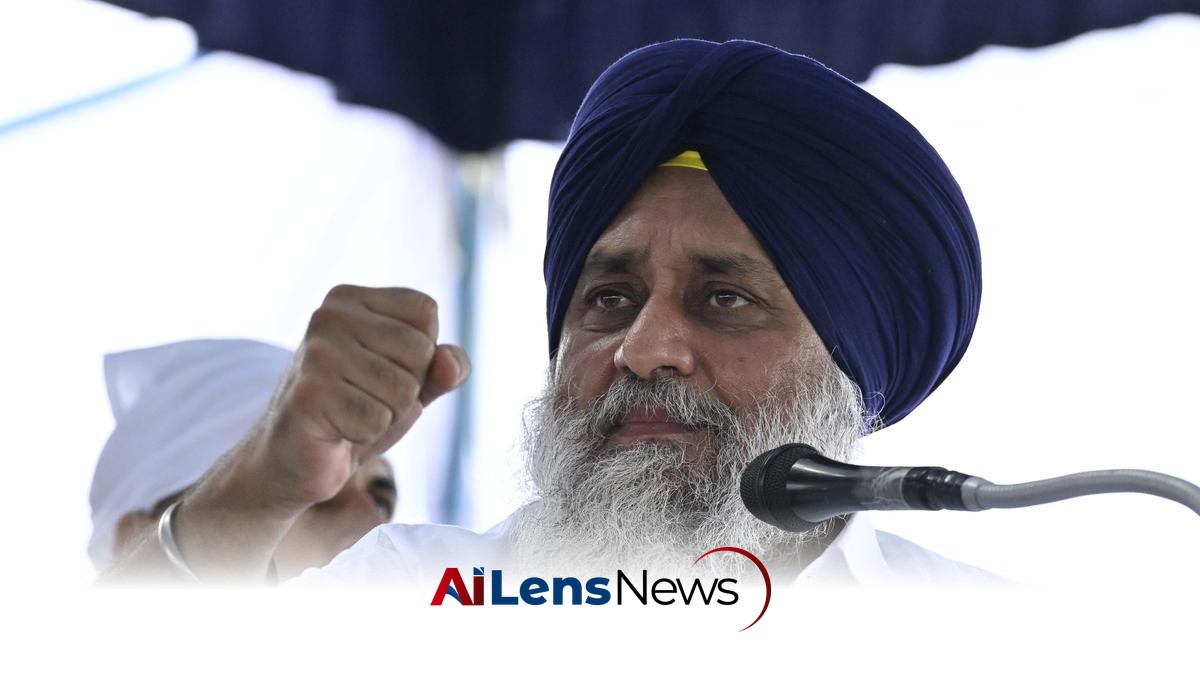


Sukhbir Badal criticizes the removal of 'Satluj' from ZEE5, calling it an attack on collective memory and freedom of expression.
New Delhi, India Jul 6, 2026 ALN: Sukhbir Singh Badal, the leader of the Shiromani Akali Dal (SAD), has publicly condemned the removal of the film Satluj from the ZEE5 OTT platform. This incident has reignited discussions surrounding censorship in Indian cinema, particularly in relation to films that explore sensitive historical events. Badal's remarks reflect a broader sentiment among artists and filmmakers who are frustrated by the growing trend of censorship in the industry.
Satluj, which features popular Punjabi actor and singer Diljit Dosanjh, was removed just two days after its release, a move that has raised eyebrows and questions about the motivations behind such decisions. The film, directed by Honey Trehan, was initially titled Punjab 95, a title that suggests a focus on the tumultuous events in Punjab during the 1990s, a decade marked by significant political unrest and violence. This period in Punjab's history is characterized by the rise of militancy, state repression, and the profound impact these events had on the local population.
Badal's expression of shock and sadness highlights a growing concern that the narratives of Punjab's past are not being adequately represented or explored in mainstream media. He argues that the people of Punjab deserve to confront their past with honesty rather than through suppression, a sentiment that resonates with many who feel that the complexities of Punjab's history are often overlooked or misrepresented in popular culture.
The film's removal from ZEE5 is not an isolated incident; it is part of a larger pattern in which films and shows that tackle controversial or politically sensitive topics face backlash, leading to censorship or removal from platforms. This trend reflects a culture of censorship that is increasingly prevalent in Indian cinema, where filmmakers must navigate a delicate balance between artistic expression and governmental scrutiny. The implications of this are significant, as it raises important questions about freedom of expression and the role of art in society.
Diljit Dosanjh, an influential figure in both the music and film industries, expressed his lack of surprise regarding the film's removal, stating that it was "bound to happen." This sentiment echoes the frustrations of many in the industry who are aware of the precarious nature of artistic expression in India. The challenges faced by filmmakers in India often lead to self-censorship, where creators may avoid exploring important themes for fear of backlash or censorship.
The Central Board of Film Certification (CBFC) has been at the center of many controversies surrounding film censorship in India. Established in 1951, the CBFC's mandate is to regulate the public exhibition of films under the provisions of the Cinematograph Act. However, its decisions often lead to heated debates about artistic freedom versus societal standards. The lengthy battle that Satluj faced with the CBFC is indicative of the challenges filmmakers encounter when attempting to present narratives that may be deemed contentious. The film's journey through the certification process has raised concerns about the limitations placed on artistic expression and the potential chilling effect on future projects.
The removal of Satluj also raises questions about the influence of political dynamics on media representation. In a diverse country like India, where multiple narratives coexist, the suppression of certain stories can lead to a skewed understanding of history. This is particularly concerning in the context of Punjab, where the legacy of the 1980s and 1990s continues to resonate deeply within the collective consciousness of its people. The implications of this suppression extend beyond the film industry, affecting cultural memory and the ways in which history is recorded and remembered.
In recent years, there has been a growing awareness and activism among political leaders regarding the importance of cultural representation. Badal's condemnation of the film's removal reflects this trend, as various political factions advocate for the rights of artists and ensure that their voices are heard. This is particularly pertinent in Punjab, where the socio-political landscape is deeply intertwined with the region's historical narratives.
The future of projects like Satluj remains uncertain in the wake of its removal from ZEE5. This situation not only impacts the immediate audience who were eager to engage with the film but also sends a cautionary message to other filmmakers about the potential repercussions of tackling sensitive subjects. The fear of censorship can lead to self-censorship, where creators may shy away from exploring significant themes, ultimately stifling artistic expression and limiting the diversity of narratives available to audiences.
As discussions around the removal of Satluj continue, it serves as a microcosm of the larger struggles faced by artists in India today. The ongoing tensions between artistic freedom and censorship highlight the critical importance of confronting historical realities and engaging in open discussions about the past. The film industry and society at large must navigate the complex landscape of representation, memory, and the right to tell one's story, ensuring that diverse voices and narratives are not silenced in the process.
In conclusion, the removal of Satluj from ZEE5 underscores the ongoing challenges faced by filmmakers in India, particularly those who seek to explore complex and sensitive historical narratives. It raises important questions about the future of artistic expression in the country and the role of cinema in shaping cultural memory. As the film industry grapples with these issues, it remains to be seen how it will adapt to the changing landscape of censorship and representation, and whether it can create a space for honest and nuanced storytelling that reflects the diverse experiences of its people.
To learn more about the latest developments in Politics, stay updated with our exclusive reports and analyses on AiLensNews.

