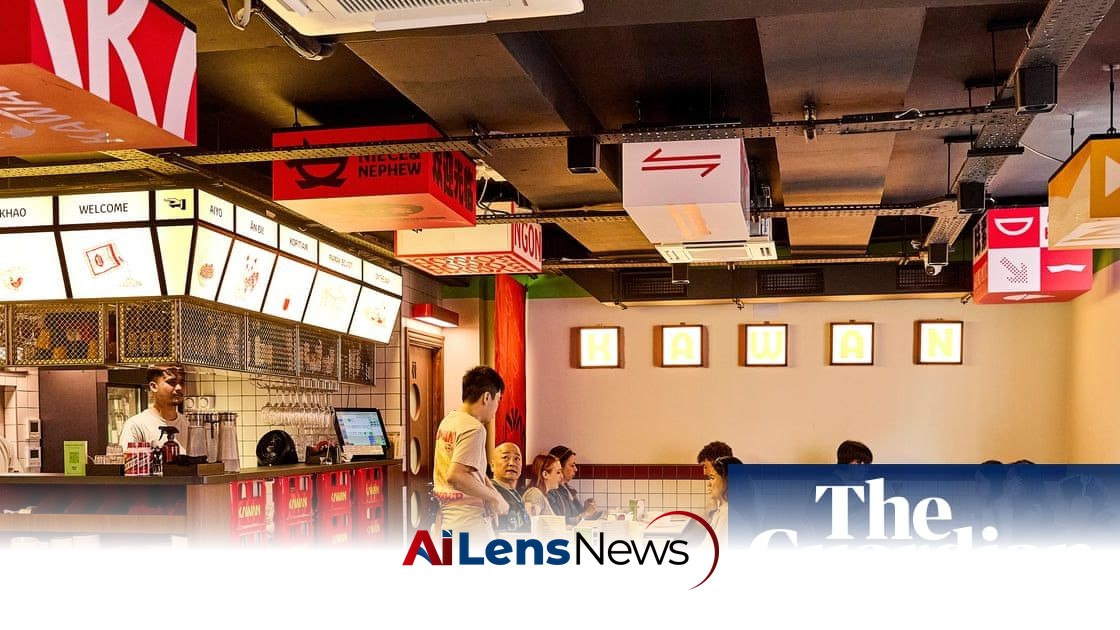


Grace Dent reviews Kawan, a new restaurant by comedian Nigel Ng, highlighting its lackluster dishes and missed opportunities.
London, United Kingdom Jul 12, 2026 ALN: A couple of months ago, Nigel Ng, the Malaysian comedian better known as his alter ego, Uncle Roger, opened his first UK restaurant in the heart of London’s Chinatown. He’s a man who has built a global YouTube following of more than 10 million rs through pithy, endearing videos on how to make exemplary fried rice, as well as critiques of popular chefs like Jamie Oliver. Such impressive numbers excite investors, as they envision 10 million viewers potentially translating into 10 million diners enjoying dishes like “Chinatown fried rice,” priced at £15.90 a bowl. However, the reality at Kawan is far from the rosy projections.
London’s Chinatown has long been a vibrant hub for Asian cuisine, particularly Chinese food, with a plethora of restaurants offering various authentic dishes. As such, any new establishment entering this competitive space must not only attract attention but also deliver on quality and experience. Kawan, which means "friend" in Malay, opened its doors amidst high expectations, fueled by Uncle Roger’s online fame and the allure of innovative Asian fusion cuisine. However, the reception has been lukewarm, raising questions about the restaurant's concept and execution.
On a Thursday lunchtime, six weeks after opening, Kawan is largely deserted. The staff, while pleasant, seem to embody the spirit of stewards rearranging the Titanic’s sun loungers. There are no eager Gen Zers lining up for the “firecracker rolls,” nor are there Gen X parents indulging their Uncle Roger-obsessed children with the barbecued pork “aji-no-bun.” The few patrons present are mostly couples in their mid-40s, curiously examining dishes like the “choco-orange ribs,” glazed with orange and chocolate and inspired by one of Roger’s collaborators, Uncle Guga. This reliance on in-jokes creates a disconnect, akin to being handed a series of phones displaying memes that fail to resonate.
This disconnect may stem from the restaurant's attempt to blend humor and culinary art. While Uncle Roger’s comedic persona has charmed millions online, translating that charm into a dining experience is a complex task. The humor that works in a short video may not land the same way in a restaurant setting where diners are looking for a cohesive experience rather than a series of inside jokes. The challenge lies in appealing to both Uncle Roger’s dedicated fanbase and a broader audience who may not be familiar with his content.
The restaurant’s bathroom tells a different story from the anticipated culinary experience. It’s a small, 1970s-style single loo, complete with a Tesco Value toilet duck. This isn’t clever staging; it’s a stark reminder of the restaurant’s lack of attention to detail. The decor, featuring wallpapered comic book pages, already feels dated, contributing to a cold, stark atmosphere that encourages diners to eat quickly and leave. In the highly competitive restaurant industry, ambiance plays a crucial role in shaping a customer’s overall experience. A lack of warmth and comfort can diminish the enjoyment of even the most well-prepared meals.
As we peruse the menu, a server delivers a dish with a long, pointy handle to a nearby table: “fried rice from the village,” which is essentially spicy balachan egg fried rice with seafood and vegetables, priced at £15.90. The server cautions us not to grab the bowl by the handle, as it might detach and spill its contents. This repeated warning raises questions about the practicality of the dish’s design. While the fried rice is decent, London’s Chinatown is already home to numerous excellent fried rice options. Diners may find it difficult to justify a visit to Kawan when other establishments offer superior dishes at competitive prices.
The menu is divided into four sections: For Niece & Nephew (small plates and sharing dishes), Uncle Roger’s Takes on British Classics, which includes a £28.90 “Chinese wellington” and “fish and chips not inspired by Jamie,” Rice/Noodles, and finally, Happy Ending, featuring a two-dessert selection including £8.90 “sizzling blue milo” dumplings that resemble Sesame Street’s Cookie Monster. The playful naming conventions may appeal to younger diners or Uncle Roger fans, but they also risk alienating those seeking a more traditional dining experience.
The British classics section features nods to Uncle Roger’s nemesis, Jamie Oliver, and Gordon Ramsay, whom Roger seems to admire. One might expect these dishes to be clever reinterpretations of traditional favorites. Take the choco-orange ribs, for example. The concept appears sound: duck à l’orange demonstrates that citrus can complement robust meat dishes, and many Asian classics pair well with sweet orange flavors. However, the execution falls flat. The ribs arrive in a strange, brown sludge that lacks the promised chocolate or orange flavor, resembling vague umami seepage. The wellington is even more perplexing: it consists of pastry-wrapped chicken accompanied by a meager portion of chopped iceberg lettuce and cherry tomatoes, along with a jug of pale-brown gravy. It’s unclear who this food is intended for; children would likely reject it, and adults might only try it once.
We also ordered the “golden parcel” wontons, which evoke memories of Marks & Spencer party food, served on a bed of salad that is essentially just red onion. As we sat there, we felt like children in detention, eager to be released. The experience was compounded by the overall lack of creativity and flavor. Across the room, a woman poked at her electric blue pudding dumplings with a face reminiscent of Edvard Munch’s iconic painting, “The Scream.” This expression perhaps encapsulates the bewilderment many diners may feel as they navigate a menu that promises innovation but delivers disappointment.
When the bill arrived, I couldn’t help but chuckle. It was a laugh, indeed, but not for the reasons one would hope. The pricing strategy, while reflective of the restaurant’s location in an upscale part of London, does not align with the quality of food served. With an average spend of around £40 per person, excluding drinks and service, diners might expect a more polished experience. The reality, however, may leave them feeling shortchanged.
The implications of Kawan’s performance extend beyond just one restaurant. In an era where celebrity chefs and online personalities are increasingly venturing into the restaurant business, the success of such establishments often hinges on more than just name recognition. It requires a solid understanding of culinary execution, customer experience, and the ability to create a menu that resonates with a diverse audience. As the dining landscape continues to evolve, restaurants like Kawan serve as a case study in the challenges of marrying fame with food.
In conclusion, Kawan had the potential to become a culinary hotspot in London’s Chinatown, leveraging Uncle Roger’s fame to draw in crowds. However, the execution of the menu, the atmosphere, and the overall dining experience have left much to be desired. For now, it appears that Kawan may need to reassess its approach if it hopes to attract a loyal customer base amidst the rich tapestry of culinary options available in London.
To learn more about the latest developments in Local & Regional, stay updated with our exclusive reports and analyses on AiLensNews.

