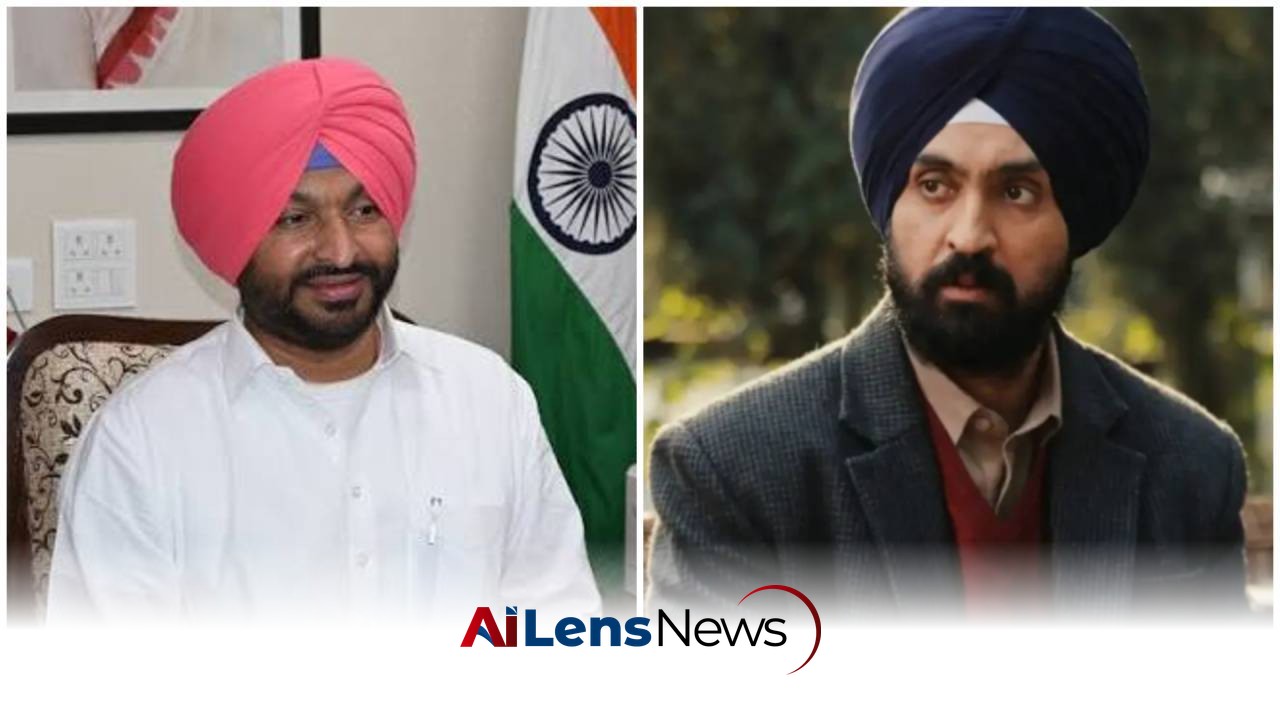


The controversy surrounding Diljit Dosanjh's film Satluj escalates as Union Minister Ravneet Singh Bittu labels the actor-singer an 'impostor' while denying political involvement in its removal from Zee5.
New Delhi, India Jul 9, 2026 ALN: The controversy surrounding Diljit Dosanjh's film Satluj has escalated into a significant political discourse, drawing attention from various sectors, including fans, political leaders, and cultural commentators. The Union Minister, Ravneet Singh Bittu, has publicly branded the popular actor-singer an "impostor," amidst the ongoing debate regarding the film's removal from the OTT platform Zee5. This incident has sparked a profound conversation about the intricate relationship between politics and the film industry in the region.
In his remarks made in Ludhiana, Bittu emphasized that the government does not have control over the operations of OTT platforms, which function independently from governmental oversight. His statements were a direct response to allegations that political pressure was a contributing factor in the decision to remove Satluj from the streaming service. The controversy surrounding the film has intensified, with a growing number of Dosanjh's supporters rallying to defend him, underscoring the film's artistic merit and its relevance to current social issues.
The film Satluj has attracted attention for its storyline and thematic elements, which some factions have criticized. Detractors argue that the film presents a narrative that conflicts with their ideological beliefs, leading to accusations that it was targeted for its content. Bittu's comments, as a prominent political figure, have further fueled the flames of this debate, with many perceiving his remarks as an effort to undermine Dosanjh's credibility and artistic expression.
Bittu's emphatic assertion that "the government does not interfere with the operations of OTT platforms. Any claims suggesting otherwise are baseless and politically motivated" appears to be an attempt to quell the unrest surrounding the film's removal. However, this statement has not entirely alleviated concerns among fans and industry insiders who suspect that external pressures, including political ramifications, may have influenced the decision to take down Satluj.
The implications of this controversy extend beyond the film itself, raising broader questions about freedom of expression within the film industry, particularly in an era where political sentiments can significantly impact artistic endeavors. The ongoing tensions between artists and political authorities underscore the precarious position that filmmakers often find themselves in, navigating a landscape where their work may be scrutinized based on political ideologies. This situation is emblematic of a larger struggle that many artists face globally, where creative expression is often at odds with prevailing political narratives.
Moreover, the rise of OTT platforms has transformed the distribution and consumption of films, providing a space for diverse voices and narratives that may not find a place in traditional cinema. These platforms have the potential to democratize content creation and consumption, allowing for a wider range of stories to be told. However, the increased visibility also means that these platforms can become battlegrounds for larger cultural and political conflicts, as evidenced by the current situation with Satluj. As OTT services gain prominence, their role in shaping public discourse and cultural representation becomes increasingly significant, making them crucial players in the ongoing dialogue about artistic freedom.
In light of the current situation, it is essential to consider the potential consequences for both Diljit Dosanjh and the broader film industry. For Dosanjh, who has cultivated a reputation as a versatile artist capable of transcending cultural boundaries, this controversy could have ramifications on his future projects and collaborations. The backlash he is experiencing may deter some producers from engaging him due to fears of political repercussions, thereby constraining the scope of his artistic expression and limiting the themes he may choose to explore in his future work.
On the other hand, the film industry at large may face a chilling effect as artists become increasingly cautious about the themes they choose to explore in their projects. The fear of political backlash could lead to self-censorship, stifling creativity and innovation within the sector. This situation highlights the critical importance of protecting artistic freedoms and ensuring that creators can engage with complex social issues without fear of reprisal. The ability of artists to address contentious subjects is vital for a healthy cultural dialogue, and any erosion of this freedom poses a risk to the vibrancy and diversity of the arts.
As the situation continues to evolve, it is crucial for stakeholders in the film industry—including filmmakers, actors, and audiences—to engage in constructive dialogue about the role of art in society and the importance of safeguarding creative expression. The controversy surrounding Satluj serves as a poignant reminder of the ongoing challenges faced by artists in navigating the complex landscape of political influence in the sector. The need for a supportive environment that fosters creativity and encourages diverse narratives is more pressing than ever.
In conclusion, the intersection of politics and the film industry remains a hotbed of discussion that resonates deeply within society. The removal of Satluj from Zee5 not only underscores the challenges faced by artists like Diljit Dosanjh but also raises critical questions about the future of artistic expression in a politically charged environment. As audiences and creators reflect on these issues, it becomes increasingly important to advocate for a space where art can thrive free from undue political influence, ensuring that the voices of artists are heard and respected in the ongoing cultural discourse.
To learn more about the latest developments in OTT Platforms, stay updated with our exclusive reports and analyses on AiLensNews.

