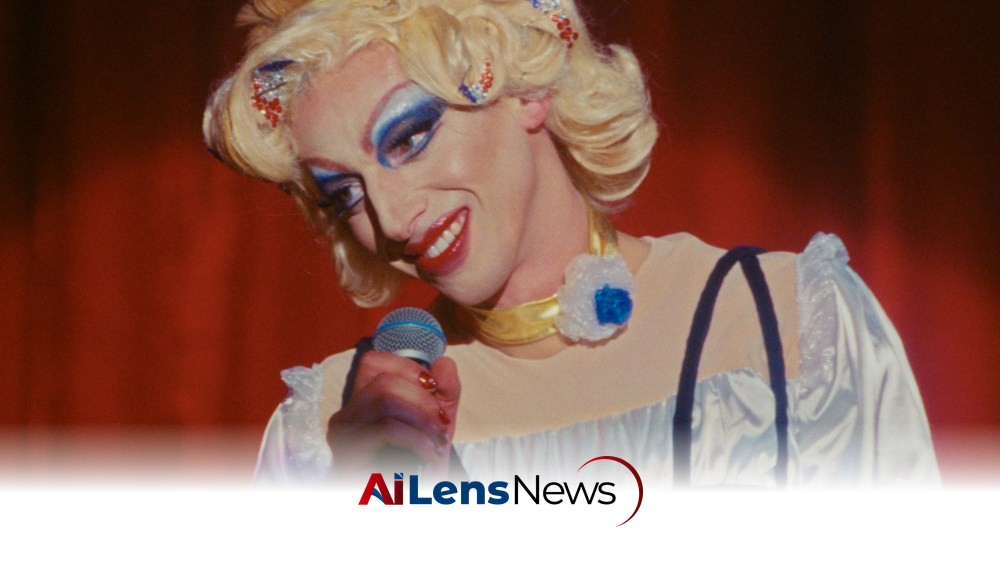


In ‘Chica Checa,’ Šimon Holý explores the themes of drag, family, and small-town life, presenting a heartfelt narrative that resonates with contemporary social issues.
New Delhi, India Jul 4, 2026 ALN: In the realm of contemporary cinema, few films manage to blend personal narratives with broader societal themes as effectively as Šimon Holý’s "Chica Checa." This heartfelt feature, which recently screened at the prestigious Karlovy Vary Film Festival, explores the delicate dynamics of family relationships, the struggles of self-acceptance, and the realities of living as a member of the LGBTQ+ community in a small town. The film's protagonist, Lukáś, a drag queen, embarks on a journey that not only challenges his own identity but also impacts his family, particularly his mother, Zdena.
The film is set against the backdrop of a small Czech village, a choice that is both poignant and significant. Small towns often embody traditional values and conservative attitudes, making them a challenging environment for individuals who identify as LGBTQ+. In "Chica Checa," Zdena, a widow and mail carrier, represents the archetype of a loving yet sheltered mother. Her life revolves around her bedridden mother and the routines of village life, illustrating the isolation and loneliness that can accompany such a lifestyle. This depiction serves as a microcosm of broader societal issues, particularly regarding acceptance and understanding of diverse identities.
Holý's journey in creating "Chica Checa" spans nearly a decade, during which he developed the project while simultaneously working on his debut feature, "Mirrors in the Dark." This lengthy development process allowed him to refine the narrative and ensure that it resonated on multiple levels. The film's title, "Chica Checa," or "Czech Girl," serves as a clever play on words, encapsulating both the cultural identity of the protagonist and the transformative journey he undergoes as he embraces his drag persona.
The central conflict arises when Lukáś, who has been living in Paris and performing as Chica Checa, returns home to fulfill his grandmother's dying wish for a performance. This moment is pivotal; it forces Lukáś to confront his fears about revealing his true self to his mother. His journey is not merely about coming out but also about bridging the gap between generations and fostering understanding. The film delicately navigates the complexities of this revelation, highlighting the fear of rejection that many LGBTQ+ individuals face, particularly in conservative settings.
Holý and producer Alžběta Janáčková intentionally chose to address the themes of homophobia and acceptance in a manner that is accessible and relatable. They aimed to create a narrative that could engage audiences from various backgrounds and generations, fostering dialogue rather than confrontation. Holý’s assertion that they sought to present these themes in a "gentle way" reflects a growing trend in LGBTQ+ cinema, where filmmakers strive to balance the portrayal of serious issues with moments of levity and joy.
The political implications of "Chica Checa" cannot be overlooked. As Holý notes, the film's development coincided with a troubling resurgence of right-wing movements across Europe that threaten the rights and visibility of LGBTQ+ individuals. This context adds a layer of urgency to the film's narrative, as it becomes a reflection of the struggles faced by many in the LGBTQ+ community today. The acknowledgment of these societal challenges is crucial, as it situates the film within a larger conversation about equality, representation, and the ongoing fight against discrimination.
Furthermore, Holý's role as a music programmer for the Prague Pride Festival provides him with a unique perspective on the current climate for queer rights in the Czech Republic. His involvement in these events underscores the importance of cultural representation in fostering acceptance and understanding. By intertwining his personal experiences with the film's narrative, Holý amplifies the message that art can be a powerful tool for social change.
At the heart of "Chica Checa" is the dynamic between Zdena and Lukáś, brought to life by the performances of Pavla Tomicová and Jan Cina. Tomicová’s portrayal of Zdena is particularly noteworthy, as she embodies the complexities of a mother grappling with her son's identity while also confronting her own loneliness and desires for connection. Holý's initial hesitation to cast Tomicová was ultimately overcome by the chemistry she shared with Cina during auditions, which proved to be a pivotal moment in the film's development.
Jan Cina's transformation into the character of Lukáś, a drag queen, is another significant aspect of the film. Initially feeling typecast in his previous roles, Cina embraced the challenge of portraying a character that allowed him to explore new facets of his artistry. Working closely with drag professionals, he developed his own drag persona, La Chica, which not only enriched his performance but also highlighted the film's themes of self-discovery and empowerment.
The visual style of "Chica Checa" stands in stark contrast to the social realism often depicted in Czech cinema, particularly in films from the late 1990s and early 2000s. Holý intentionally sought to create a vibrant and expressive aesthetic that reflects the exuberance of drag culture and the joy of self-expression. This stylistic choice reinforces the film's message that embracing one's identity can lead to personal liberation and connection.
In conclusion, "Chica Checa" is more than just a coming-out story; it is a nuanced exploration of identity, acceptance, and the bonds of family. Through the lens of a small-town narrative, Šimon Holý crafts a film that resonates with audiences on multiple levels, encouraging reflection on the importance of love and understanding in the face of societal challenges. As the film seeks distribution, its potential to spark conversations about LGBTQ+ issues in conservative environments remains significant, highlighting the ongoing relevance of its themes in today's world.
The cultural significance of "Chica Checa" extends beyond its narrative and aesthetic choices; it also engages with the historical context of LGBTQ+ representation in Czech cinema. Historically, films that address LGBTQ+ themes in the Czech Republic have often faced scrutiny and censorship, reflecting the broader societal attitudes towards sexual orientation and gender identity. By presenting a story that is both personal and political, Holý challenges these traditional narratives, paving the way for future filmmakers to explore similar themes with greater freedom and acceptance.
Moreover, the film serves as a reminder of the importance of visibility for LGBTQ+ individuals in media. Representation matters, and the portrayal of diverse identities can have a profound impact on societal attitudes. "Chica Checa" not only showcases the struggles of its characters but also celebrates their resilience and strength, offering hope to those who may feel marginalized or misunderstood. In this way, the film contributes to a larger movement within cinema to elevate LGBTQ+ voices and stories, fostering a sense of community and belonging.
As audiences continue to engage with "Chica Checa," it is likely that discussions surrounding the film will extend beyond its artistic merits. The film's exploration of identity, family, and acceptance resonates with universal themes that transcend cultural boundaries. It invites viewers to reflect on their own experiences and relationships, encouraging empathy and understanding in an increasingly polarized world.
The success of "Chica Checa" at international film festivals, such as Karlovy Vary, highlights the growing interest in LGBTQ+ narratives within global cinema. As the film garners attention, it not only elevates Holý's profile as a filmmaker but also contributes to the ongoing dialogue about representation in the film industry. The film's journey from a small-town narrative to an international platform underscores the power of storytelling in bridging cultural divides and fostering connections among diverse audiences.
In summary, "Chica Checa" is a significant contribution to contemporary cinema, offering a heartfelt exploration of LGBTQ+ themes through the lens of personal and familial relationships. Šimon Holý's dedication to crafting a nuanced narrative, combined with the film's vibrant aesthetic and relatable characters, positions it as a vital work that speaks to the challenges and triumphs of embracing one's identity in a complex world. As it seeks distribution, the film's potential to inspire and provoke meaningful conversations about acceptance and love remains a testament to the enduring power of cinema as a force for social change.
To learn more about the latest developments in Movies, stay updated with our exclusive reports and analyses on AiLensNews.

