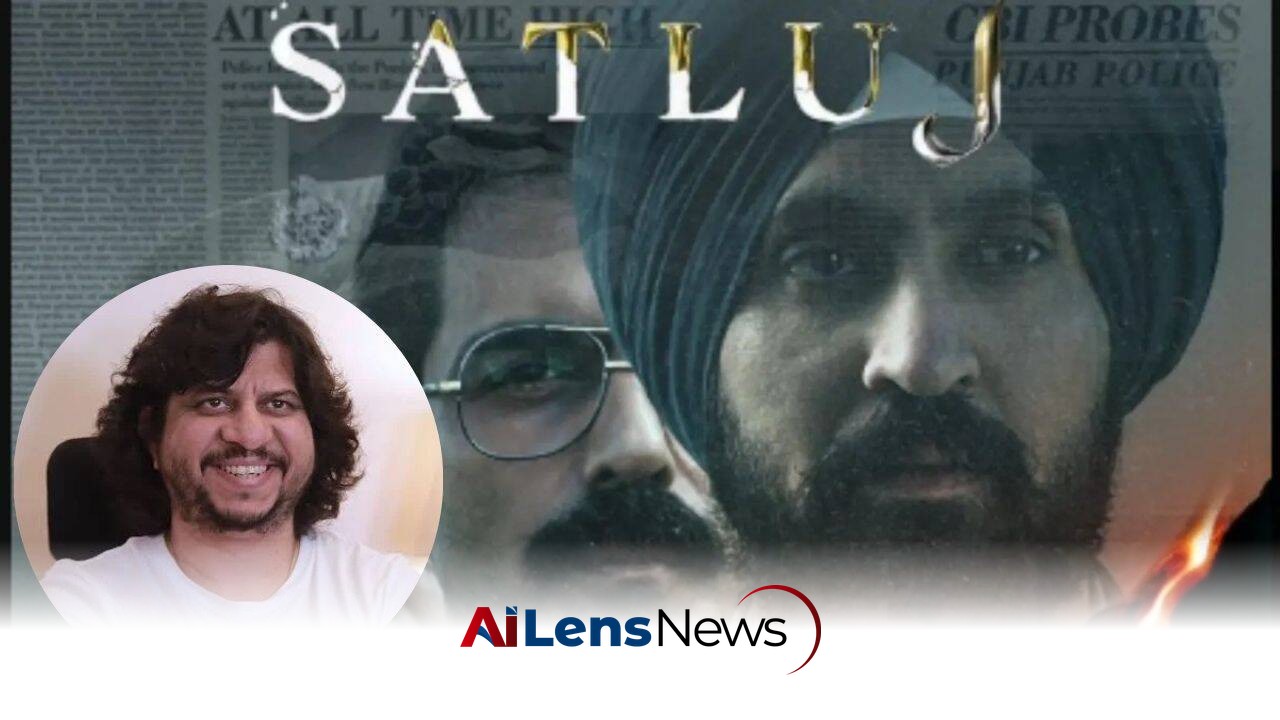


Director Honey Trehan shares insights on Diljit Dosanjh's swift commitment to 'Satluj', a film about human rights activist Jaswant Singh Khalra, amidst production delays.
New Delhi, India Jul 7, 2026 ALN: Director Honey Trehan has recently shed light on the casting process for his upcoming film 'Satluj', formerly known as 'Punjab ’95'. In an intriguing revelation, Trehan noted that actor Diljit Dosanjh expressed immediate interest in the project, promptly signing onto the biographical drama after reading its very first draft. This enthusiastic response from Dosanjh, a prominent figure in the Punjabi film industry, underscores not only his commitment to meaningful storytelling but also the compelling nature of the narrative that 'Satluj' seeks to portray.
The film is centered around the real-life story of human rights activist Jaswant Singh Khalra, whose relentless pursuit of justice brought to light the grim realities of police abductions and secret mass cremations during the tumultuous period of the Punjab insurgency. Khalra's efforts to expose these human rights violations ultimately led to his tragic murder in 1995, making his story a poignant and significant subject for cinematic exploration. The choice to adapt such a critical and sensitive historical event into a film not only highlights the importance of remembering and acknowledging past injustices but also serves as a reminder of the ongoing struggles faced by those who seek accountability in the face of systemic violence.
Jaswant Singh Khalra's activism is particularly notable in the context of the Punjab insurgency, a period marked by intense conflict between Sikh separatists and the n government during the late 1980s and early 1990s. The insurgency led to widespread human rights abuses, including extrajudicial killings and enforced disappearances, which Khalra sought to document. His investigation revealed that thousands of Sikhs were allegedly killed and cremated without due process, a fact that shocked many and highlighted the urgent need for accountability within state institutions. The film's narrative serves not only as a tribute to Khalra's courage but also as a critical examination of the mechanisms of power that allow such atrocities to occur.
In addition to Dosanjh, 'Satluj' boasts a star-studded cast, including acclaimed actor Arjun Rampal. Rampal's involvement adds another layer of depth to the film, as he is known for his versatile performances across various genres. The collaboration of these talented actors is expected to bring depth and nuance to the characters they portray, enhancing the film's ability to resonate with audiences. The commitment of both Dosanjh and Rampal to the project signifies a collective understanding of the film's weighty themes and the responsibility that comes with telling such a powerful story.
However, the journey of 'Satluj' has not been without its challenges. The film has experienced significant delays over the years, which have been attributed to various production hurdles. These challenges have tested the resolve of the cast and crew, yet their dedication to bringing Khalra's story to life remains unwavering. The anticipation surrounding the film has only grown, particularly in light of its recent tumultuous release situation.
Recently, the Information and Broadcasting (I&B) Ministry ordered the sudden removal of 'Satluj' from the OTT platform where it had premiered unexpectedly. This decision was made within 48 hours of the film's digital debut, citing non-compliance with the IT Rules, 2021. Such regulatory actions have raised questions about the film's content and the broader implications of censorship in the film industry. The swift nature of this order has sparked discussions about creative freedom and the challenges filmmakers face when tackling sensitive historical narratives.
The abrupt removal from the platform has left audiences and stakeholders in the film industry grappling with uncertainty about the film's future. While the I&B Ministry's actions are grounded in legal frameworks, they also highlight the precarious balance between artistic expression and regulatory oversight. As 'Satluj' navigates these regulatory hurdles, the film's themes surrounding human rights and justice are likely to reignite discussions in society about the importance of accountability and truth in the face of historical atrocities.
The film's narrative not only seeks to honor the legacy of Jaswant Singh Khalra but also serves as a call to action for viewers to reflect on the ongoing struggles against human rights violations worldwide. The story encourages audiences to engage with difficult histories and consider their implications in contemporary society. By bringing Khalra's story to the forefront, 'Satluj' aims to inspire a dialogue about justice, memory, and the responsibility of individuals and institutions to uphold human rights.
As the film continues to face regulatory scrutiny, the anticipation surrounding its eventual release remains palpable. Audiences are eager to witness the portrayal of Khalra's life and the broader context of the Punjab insurgency, a period marked by significant turmoil and conflict. The film's ability to resonate with viewers will depend not only on the performances of its actors but also on its capacity to engage with the complex emotions and historical realities of its subject matter.
In conclusion, 'Satluj' stands as a testament to the power of cinema to address pressing social issues and historical injustices. The immediate agreement by Diljit Dosanjh to join the project reflects the impact of the script and the importance of the story being told. As the film navigates its way through regulatory challenges, it has the potential to spark important conversations about human rights, accountability, and the legacy of those who have fought for justice in the face of oppression. The film's journey is a reminder of the resilience of storytelling and its ability to shine a light on the darkest corners of history, urging society to remember and learn from the past.
This film not only seeks to entertain but also to educate and provoke thought among its viewers. The historical context it presents is critical for understanding the complexities of human rights issues in and beyond. The impact of Khalra's activism continues to resonate, as it reflects broader global struggles against oppression and the fight for justice. As 'Satluj' prepares for its eventual release, it is likely to contribute to the ongoing discourse surrounding human rights, state accountability, and the role of cinema as a vehicle for social change.
To learn more about the latest developments in Movies, stay updated with our exclusive reports and analyses on AiLensNews.

