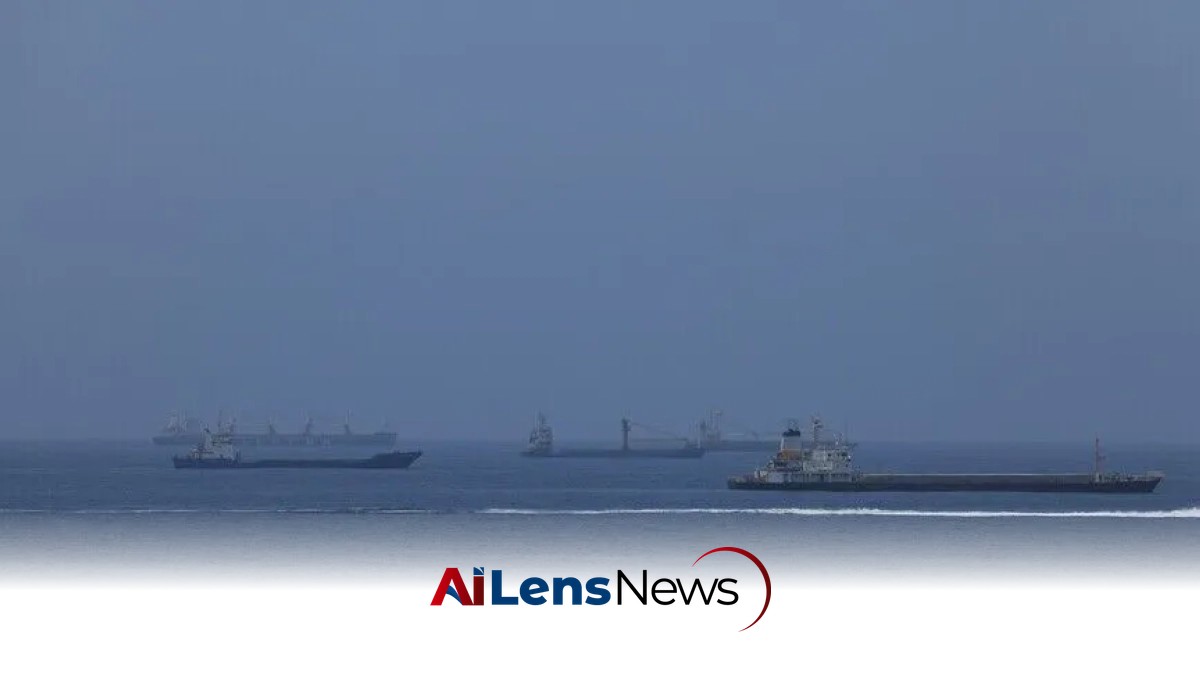


Qatari officials have entered negotiations with Iran and Oman in Muscat regarding the reopening of the Strait of Hormuz, aiming to ease regional tensions.
Riyadh, Saudi Arabia Jul 12, 2026 ALN: MUSCAT — Qatari officials have joined talks between Iran and Oman in Muscat on reopening the Strait of Hormuz, Axios reported Saturday, citing a diplomat familiar with the negotiations. The involvement of Qatar in these discussions highlights the strategic importance of the Strait of Hormuz, a narrow passage that connects the Persian Gulf to the Gulf of Oman and the Arabian Sea. This strait is critical for global trade, as approximately 20% of the world's oil passes through it, making its security a matter of international concern.
According to the report, the parties are discussing a possible statement supporting the full reopening of the strait's median shipping lane, which lies in international waters, to allow the unrestricted movement of commercial vessels. The median shipping lane is essential for ensuring that ships can transit safely and efficiently, and any disruptions can have significant implications for global oil prices and supply chains. The strait has been a flashpoint for tensions, particularly between Iran and Western nations, primarily due to Iran's strategic military positioning in the region.
The talks come as diplomatic efforts to reduce tensions continue following renewed hostilities in the Gulf. The Strait of Hormuz has been the site of various military incidents and confrontations, particularly in recent years as Iran has sought to assert its influence in the region. The ongoing tensions have raised concerns among neighboring countries and global powers about the safety of maritime navigation and the potential for escalation into broader conflict.
ABC News reported Friday that negotiations between the United States and Iran are expected to resume after Iranian officials privately acknowledged that attacks on commercial ships in the Strait of Hormuz had been "a mistake." This acknowledgment marks a significant development, as it suggests a willingness on Iran's part to engage in dialogue and potentially de-escalate tensions. The attacks on commercial vessels have drawn widespread condemnation and have heightened the risk of military confrontation in a region already fraught with volatility.
Earlier this week, US President Donald Trump said Iran had expressed interest in returning to negotiations with Washington, although Tehran later denied the claim. Trump's remarks indicate a complex diplomatic landscape where the U.S. seeks to engage Iran while also maintaining a tough stance on its activities in the region. The denial by Tehran underscores the challenges of communication and trust between the two nations, which have been at odds since the U.S. withdrawal from the Joint Comprehensive Plan of Action (JCPOA) in 2018.
Trump also said that even if talks resume, the previous ceasefire was "over." This statement reflects a hardening of U.S. policy towards Iran, suggesting that the U.S. may not be willing to return to the previous status quo without significant concessions from Iran. The implications of this stance could be far-reaching, as it may lead to increased military posturing by both sides and further destabilization in the Gulf region.
Iran and the United States reached a Pakistani-brokered framework agreement in mid-June aimed at ending their military confrontation and paving the way for a broader peace deal. This agreement was seen as a glimmer of hope for diplomatic resolution, yet the recent exchanges of hostilities have cast doubt on the viability of such negotiations. The framework aimed to address not only the military confrontations but also the underlying issues that have fueled conflict, including Iran's nuclear program and its support for proxy groups across the Middle East.
Despite the agreement, both sides exchanged attacks over the past two days after Iranian strikes targeted three commercial vessels in the Strait of Hormuz. These strikes have raised alarm among international shipping companies and have prompted calls for increased security measures in the region. The targeting of commercial vessels is particularly concerning, as it threatens the safety of maritime trade and could lead to retaliatory actions from affected nations.
Tehran also launched strikes Thursday against U.S. military facilities in Bahrain, Kuwait, Qatar, and Jordan in retaliation for a second consecutive night of U.S. attacks. This escalation of military action underscores the precarious nature of the security situation in the Gulf and the potential for rapid escalation into a larger conflict. The strikes on U.S. facilities indicate a significant shift in Iran's military strategy, signaling a willingness to confront U.S. forces directly rather than relying solely on proxy groups.
The involvement of Qatar in the ongoing discussions is particularly noteworthy, as Qatar has historically maintained a neutral stance in regional disputes and has often acted as a mediator in conflicts involving Iran and its Gulf neighbors. Qatar’s participation may facilitate dialogue and promote a more peaceful resolution to the tensions in the region. As a small but strategically located nation, Qatar has leveraged its diplomatic relationships to play a significant role in regional geopolitics.
The implications of these talks extend beyond the immediate concerns of maritime security and regional stability. A successful agreement could pave the way for improved relations between Iran and its Gulf neighbors, as well as between Iran and the United States. This could have a ripple effect on the broader geopolitical landscape, impacting energy markets, security alliances, and international diplomatic efforts to address other conflicts in the region.
In conclusion, the ongoing talks in Muscat represent a critical juncture in the complex web of Middle Eastern geopolitics. The involvement of multiple parties, including Qatar, reflects the intricate nature of the regional dynamics and the necessity for dialogue in addressing longstanding tensions. As negotiations progress, the international community will be closely monitoring developments, hoping for a resolution that ensures the safety and security of one of the world's most vital maritime corridors.
To learn more about the latest developments in Diplomacy & Treaties, stay updated with our exclusive reports and analyses on AiLensNews.

