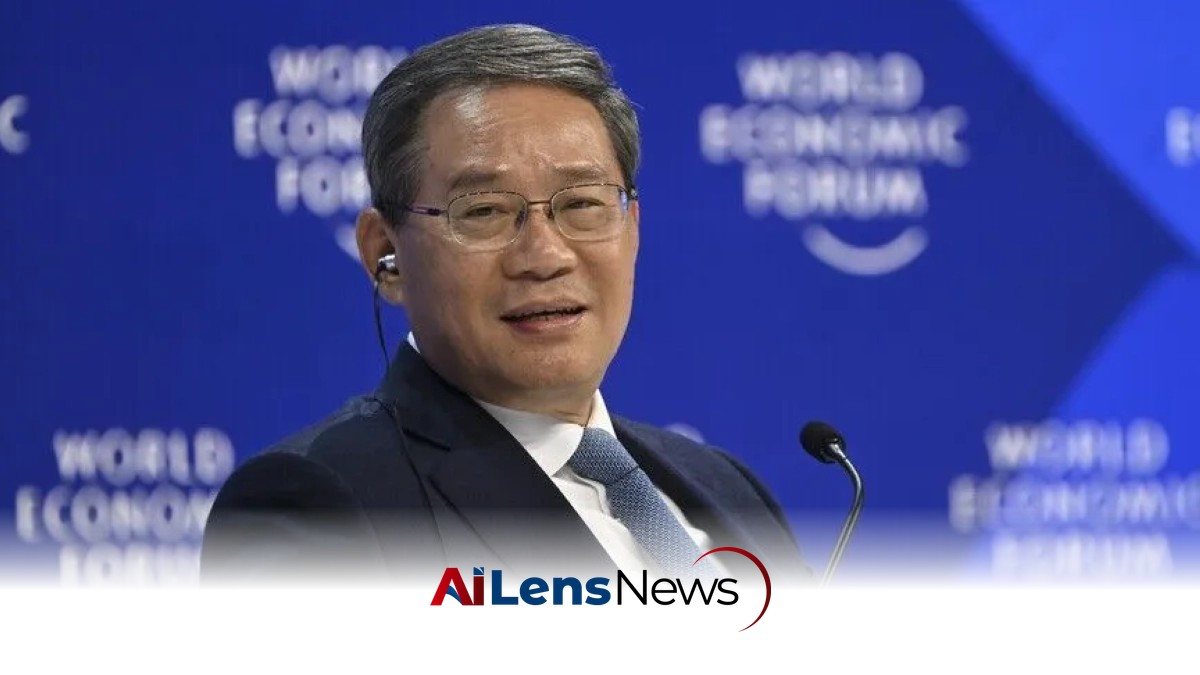


Chinese Premier Li Qiang and North Korean Premier Pak Thae Song agreed to deepen strategic coordination, trade, and bilateral cooperation during talks in Beijing.
Riyadh, Saudi Arabia Jul 12, 2026 ALN: BEIJING — Chinese Premier Li Qiang on Saturday called for closer strategic coordination and expanded cooperation with North Korea during talks with North Korean Premier Pak Thae Song in Beijing. This meeting comes at a time of heightened geopolitical tensions in the region and reflects a deepening of ties between the two nations, which share a long history of political and economic partnership.
According to state-run Xinhua News Agency, Li emphasized that China is ready to continue upholding the China-DPRK Treaty of Friendship, Cooperation and Mutual Assistance. This treaty, which was signed on July 11, 1961, is a cornerstone of the bilateral relationship, including a mutual defense provision that underscores the commitment of both nations to support each other in times of crisis. The treaty has historically served as a framework for cooperation in various sectors, including military, economic, and cultural exchanges.
Pak Thae Song is on a three-day official visit to China, which coincides with the 65th anniversary of the treaty. This anniversary is significant as it not only marks a long-standing alliance but also highlights the enduring nature of their relationship amidst changing global dynamics. The two leaders discussed the importance of increasing high-level exchanges, strengthening political mutual trust, and expanding practical cooperation, which are seen as essential steps for both nations to navigate the challenges posed by external pressures.
During the talks, Li Qiang stated that Beijing is prepared to align development strategies with Pyongyang. This alignment could involve coordinated efforts in economic planning, infrastructure development, and technological advancement. By expanding economic and trade exchanges, the two countries aim to promote connectivity, which is crucial for both nations, especially considering North Korea's limited access to international markets due to ongoing sanctions.
Li also highlighted the importance of deepening cooperation in sectors such as healthcare and education. These areas are vital for improving the well-being of people in both countries and represent a long-term investment in human capital. In the context of the COVID-19 pandemic, healthcare collaboration could be particularly beneficial for North Korea, which has faced significant challenges in managing public health crises due to its isolation from the global community.
In his remarks, Li pointed out the necessity for China and North Korea to strengthen strategic coordination amid what he described as a rapidly changing international environment. This statement reflects the increasing complexities of global geopolitics, including rising tensions between the United States and China, as well as ongoing issues surrounding North Korea's nuclear program. By presenting a united front, both nations aim to safeguard their legitimate interests and promote international fairness and justice, concepts that resonate with their shared ideological foundations.
Pak Thae Song reaffirmed North Korea's support for China in protecting its core interests, which is particularly significant given the current geopolitical climate. He expressed Pyongyang's willingness to expand cooperation in trade, science and technology, as well as cultural and people-to-people exchanges. These areas of cooperation are critical for North Korea as it seeks to modernize its economy and improve its global standing.
Pak’s call for closer coordination between the two countries on international issues underscores the desire for a more unified approach to global challenges. This is particularly relevant as both nations face criticism from the West and are often subjected to international sanctions. By working together, China and North Korea can enhance their negotiating power on the world stage and potentially influence outcomes that align with their interests.
China remains North Korea's largest trading partner and principal economic ally. This relationship is vital for North Korea, which continues to face extensive international sanctions over its nuclear weapons program. The sanctions, imposed by the United Nations and various countries, have severely impacted North Korea's economy, leading to food shortages and a decline in living standards. As such, China's role as an economic lifeline is crucial for the survival of the North Korean regime.
In the broader context, the strengthening of ties between China and North Korea may have implications for regional security dynamics. As both nations seek to bolster their cooperation, it could lead to increased tensions with the United States and its allies in the region, particularly South Korea and Japan. The U.S. has long viewed North Korea's nuclear ambitions as a significant threat to regional stability, and any deepening of the Sino-North Korean relationship may complicate diplomatic efforts aimed at denuclearization.
Moreover, the partnership between China and North Korea serves as a counterbalance to U.S. influence in East Asia. As China continues to assert its presence in the region, the alliance with North Korea could be seen as a strategic maneuver to enhance its geopolitical clout. This development may prompt a reevaluation of security strategies by neighboring countries and the United States, potentially leading to an arms race or increased military preparedness in the region.
The discussions between Li Qiang and Pak Thae Song also come at a time when North Korea has been increasingly vocal about its desire to enhance its military capabilities. Recent missile tests and military parades have demonstrated North Korea's ongoing commitment to developing its defense capabilities, which it views as essential for national security. China's support in this regard could embolden North Korea to pursue its military objectives more aggressively, further complicating the security landscape in Northeast Asia.
In conclusion, the meeting between Chinese Premier Li Qiang and North Korean Premier Pak Thae Song marks a significant moment in the ongoing relationship between the two countries. As they celebrate the 65th anniversary of their treaty, both leaders have expressed a commitment to deepening cooperation and strategic coordination. The implications of this partnership extend beyond bilateral relations, potentially impacting regional security dynamics and international relations as a whole. As both nations navigate a complex geopolitical landscape, their alliance may play a crucial role in shaping the future of East Asia.
To learn more about the latest developments in Diplomacy & Treaties, stay updated with our exclusive reports and analyses on AiLensNews.

