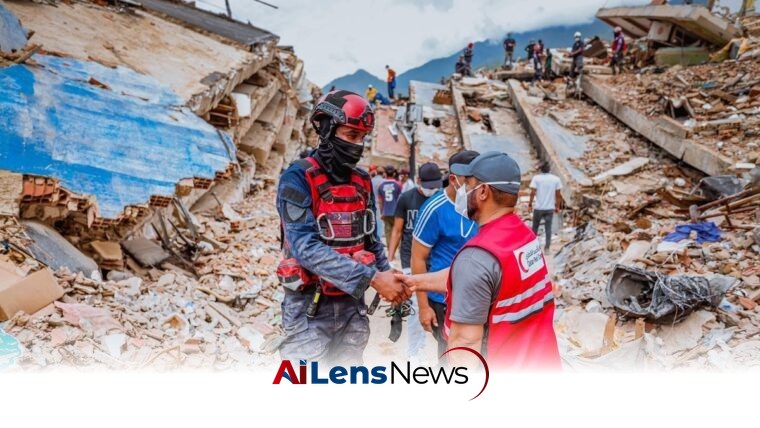


Qatar Red Crescent sends emergency medical teams and 40 tons of relief aid to Venezuela following devastating earthquakes, showcasing Qatar's humanitarian commitment.
Doha, Qatar Jul 12, 2026 ALN: The recent deployment of medical teams and humanitarian aid by the Qatar Red Crescent Society (QRCS) to Venezuela marks a significant response to the devastating earthquakes that have struck the country. This initiative is part of a broader humanitarian effort orchestrated by Qatar, reflecting the nation's commitment to providing aid to countries in distress. The airlift, ordered by His Highness the Amir Sheikh Tamim bin Hamad Al-Thani, underscores Qatar's active role in international humanitarian efforts.
The earthquakes that have impacted Venezuela have resulted in widespread destruction, displacing thousands and creating urgent needs for medical assistance, shelter, and basic supplies. The QRCS's response is timely, as the situation in the affected areas continues to evolve, with reports indicating that many survivors are struggling to cope with the aftermath of the disaster.
H.E. Ambassador of the State of Qatar to the Bolivarian Republic of Venezuela, Salman bin Nabit Al Khulaifi, emphasized the importance of this initiative, stating that it showcases Qatar’s dedication to humanitarianism. He noted that the arrival of the integrated medical and relief convoy not only serves immediate needs but also strengthens the bilateral relations and humanitarian ties between Qatar and Venezuela. The ambassador’s remarks highlight the significance of international cooperation in times of crisis, reinforcing the idea that nations can come together to support one another in the face of adversity.
The QRCS's delegation comprises a diverse group of specialists organized into three main teams, each tasked with critical roles in the humanitarian response. The relief group is pivotal in conducting needs assessments and distributing emergency aid. This group includes experienced consultants and surgeons from Hamad Medical Corporation (HMC) and QRCS, who are equipped to perform medical examinations, consultations, and surgeries for those affected by the earthquakes. Their expertise is essential in addressing the immediate health care needs of the population, particularly in a context where local medical facilities may be overwhelmed or damaged.
In addition to the medical team, a psychosocial support (PSS) group has been established to implement rehabilitation programs and provide mental health support to the affected communities. The psychological impact of natural disasters can be profound, especially for vulnerable populations, including children. By offering PSS services, QRCS aims to enhance the resilience of these communities, helping them cope with trauma and rebuild their lives.
Coordination is a critical component of any effective humanitarian response. Prior to the launch of operations, representatives from QRCS, the Qatar Fund for Development (QFFD), and the Venezuelan Red Cross convened to assess the humanitarian situation in Venezuela. This meeting was essential for identifying priorities and reviewing mechanisms for relief coordination, particularly in the health sector. Such collaboration ensures that aid is delivered efficiently and effectively, maximizing the impact of the support provided.
The QRCS has already delivered two significant shipments of humanitarian aid via Qatari relief aircraft, which included 16 tons of medical supplies and 24 tons of hygiene items. These supplies are vital for addressing the immediate health and sanitation needs of those affected by the earthquakes. Access to clean water, medical care, and hygiene products is crucial in preventing further health complications in the aftermath of a disaster.
H.E. Permanent Ambassador of Venezuela to UNESCO, Ernesto Villegas Poljak, has publicly expressed gratitude on behalf of the Venezuelan government for the support provided by Qatar. His acknowledgment of the humanitarian intervention underscores the importance of international assistance in times of crisis and reflects the collaborative spirit that is often necessary to address large-scale disasters.
In addition to logistical support, QRCS professionals, along with members of the Venezuelan Red Cross, have conducted visits to the earthquake-affected zones to gather firsthand information about the damage and ongoing response operations. This on-the-ground assessment is crucial for understanding the true extent of the needs and for tailoring the response accordingly. Feedback from victims indicates that there is an urgent requirement for shelter supplies, drinking water, hygiene kits, and PSS services, particularly for children who are often the most vulnerable in such situations.
Following the initial assessments, a field meeting was convened to share data and establish humanitarian priorities. This collaborative approach allows for a more comprehensive understanding of the challenges faced by the affected populations and ensures that the response is aligned with their most pressing needs.
The teams also took the opportunity to visit the field hospital set up by the Venezuelan Red Cross and several National Societies. This visit highlighted the importance of local organizations in disaster response, as they often have the best understanding of the community's needs and can mobilize resources quickly. The exchange of expertise and resources between QRCS and local organizations is vital for an effective response.
At the conclusion of their visit, experts from both QRCS and the Venezuelan Red Cross agreed to continue their collaboration to ensure a rapid response to the ongoing humanitarian needs. This commitment to working closely together is essential for intensifying relief and medical assistance for those affected by the earthquakes, as the situation on the ground remains fluid and requires ongoing attention and resources.
As the humanitarian crisis unfolds, the implications of this initiative extend beyond immediate relief. It serves as a reminder of the interconnectedness of global communities and the importance of solidarity in times of need. The actions taken by Qatar and the QRCS reflect a broader commitment to humanitarian principles, emphasizing the need for compassion and support for those who find themselves in vulnerable situations.
Moreover, the engagement of Qatar in Venezuela highlights the role of small nations in global humanitarian efforts. While Qatar may not be the largest country in terms of population or resources, its proactive stance in providing aid demonstrates that every nation has the capacity to contribute to global humanitarian efforts. This approach can inspire other countries to take similar actions, fostering a culture of mutual support and cooperation in addressing humanitarian crises.
In conclusion, the deployment of medical teams and humanitarian aid by the QRCS to Venezuela is a significant response to the recent earthquakes, showcasing Qatar's commitment to humanitarian assistance. The collaboration between various organizations and the focus on addressing both immediate and long-term needs exemplifies the principles of effective humanitarian action. As the situation in Venezuela continues to develop, ongoing support and cooperation will be essential in helping communities recover and rebuild their lives.
To learn more about the latest developments in Migration & Refugees, stay updated with our exclusive reports and analyses on AiLensNews.

