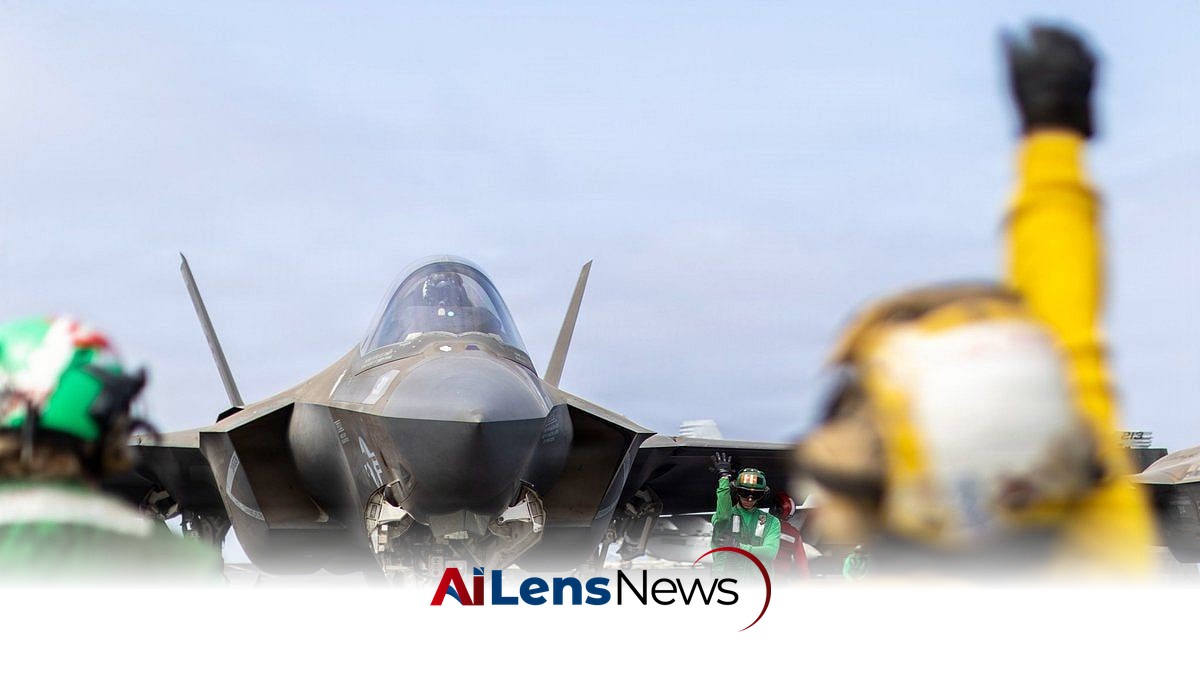


The US-Iran crisis has escalated with fresh strikes and heightened tensions over the Strait of Hormuz, following a series of provocative actions.
Kuwait City, Kuwait Jul 12, 2026 ALN: The ongoing crisis between the United States and Iran has seen a significant escalation in tensions, particularly following a series of attacks, retaliatory strikes, and the deterioration of diplomatic relations. The timeline of events highlights a rapid shift from a fragile truce to open conflict, with the Strait of Hormuz emerging as a central point of contention in the geopolitical landscape of the region.
The roots of the current crisis can be traced back to long-standing hostilities between the two nations, which have been exacerbated by various factors, including military actions, economic sanctions, and differing political ideologies. The United States has historically viewed Iran as a significant threat to regional stability, particularly due to its nuclear ambitions and support for proxy groups across the Middle East. Conversely, Iran perceives U.S. involvement in the region as a direct challenge to its sovereignty and influence.
Since the 1979 Iranian Revolution, which saw the overthrow of the U.S.-backed Shah and the establishment of the Islamic Republic, relations between the two nations have been fraught with tension. The U.S. has imposed various economic sanctions on Iran over the years, particularly in response to its nuclear program. The Joint Comprehensive Plan of Action (JCPOA), or the Iran nuclear deal, was a significant attempt at diplomacy, reached in 2015, which aimed to limit Iran's nuclear capabilities in exchange for relief from economic sanctions. However, the U.S. withdrawal from the JCPOA in 2018 under President Trump reignited tensions and led to a series of escalatory measures from both sides.
The escalation of conflict this time began with incidents involving Iran's Islamic Revolutionary Guard Corps (IRGC), which targeted commercial vessels near Oman. This act was not only a demonstration of military capability but also a strategic move to assert control over vital shipping lanes. The Strait of Hormuz is critical, as it serves as a conduit for approximately one-fifth of the world’s oil and gas trade. This strategic importance has made it a flashpoint in U.S.-Iran relations, particularly during periods of heightened tensions.
The initial attacks on commercial vessels led to a swift U.S. response, with military strikes targeting Iranian military installations. The Iranian government, in turn, retaliated with missile and drone strikes aimed at U.S. bases located in the Gulf region. This cycle of attack and counterattack has further complicated efforts to maintain peace and stability in the area.
On a specific timeline, the events unfolded as follows:
Monday: The IRGC's strike on three commercial vessels, including a Qatari liquefied natural gas tanker, marked a significant escalation. The attack raised alarms about the safety of maritime routes in the Gulf and prompted immediate international concern. The targeting of commercial vessels is particularly provocative, as it threatens not only regional stability but also global economic interests tied to oil transportation.
Tuesday: Following the attacks, the U.S. military launched retaliatory strikes on Iranian military targets. This military action was intended to deter further Iranian aggression but instead provoked a swift and aggressive response from Tehran, which included missile and drone attacks on U.S. military bases across the Gulf. The U.S. aimed to send a clear message that such provocations would not go unanswered, but the Iranian response demonstrated their capability and willingness to escalate the conflict.
Wednesday: In a statement that underscored the deteriorating situation, U.S. President Donald Trump declared that the ceasefire was effectively over. This announcement heightened fears of an all-out conflict, as Iran accused the United States of violating existing agreements and escalating hostilities. The rhetoric from both sides grew increasingly hostile, with each nation blaming the other for the breakdown of peace efforts.
Thursday: In a dramatic escalation, the IRGC announced the closure of the Strait of Hormuz, citing the attack on a container ship that allegedly used an unauthorized route. Iran's threat of a “crushing response” to U.S. strikes further inflamed tensions in the region. The closure of such a vital maritime route would have significant implications for global oil supplies and could trigger a spike in oil prices, affecting economies worldwide.
Friday: President Trump reiterated the U.S. commitment to negotiations while simultaneously stating that the ceasefire was no longer in effect. Iran responded with warnings of being prepared for “all-out defense” should the U.S. continue its military actions. This dual approach of seeking diplomacy while maintaining a military posture reflects the complicated nature of U.S.-Iran relations, where both sides are often caught between a desire for peace and the realities of military engagement.
Saturday: Diplomatic efforts continued as Iran and Oman held talks aimed at ensuring safe passage through the Strait of Hormuz. Meanwhile, the U.S. maintained its position that the waterway must remain open for international shipping, reflecting the strategic importance of this maritime route to global trade. Oman has historically played a mediating role in U.S.-Iran relations, and its involvement highlights the need for third-party intervention in de-escalating tensions.
Sunday: The conflict reached a new peak when the U.S. launched strikes on Iran following an Iranian attack on a container ship in the Strait of Hormuz. The U.S. Central Command reported that it targeted around 140 sites, including missile and drone launch locations. In retaliation, Iran launched attacks that targeted U.S. allies in the region, including Bahrain, Qatar, Kuwait, and the UAE. Reports of explosions in southern Iranian cities, including areas near the Bushehr nuclear power plant and Bandar Abbas, further highlighted the escalating violence. The involvement of U.S. allies in the conflict complicates the situation further, as it raises the stakes for regional security and the potential for a broader military confrontation.
The implications of this conflict are profound, not only for the immediate parties involved but for the broader Middle East region and global oil markets. The Strait of Hormuz is a vital artery for oil transportation, and any disruption to shipping in this area could lead to significant increases in oil prices and broader economic instability. Moreover, the resurgence of military conflict raises concerns about the potential for a wider regional war, drawing in multiple nations and exacerbating existing tensions among various factions. The prospect of a prolonged conflict could also lead to humanitarian crises, further destabilizing the region.
As the situation continues to evolve, both the United States and Iran face critical decisions regarding their military and diplomatic strategies. The potential for further escalation remains high, and the international community watches closely as developments unfold. The need for diplomatic solutions is more pressing than ever, as the consequences of continued hostilities could have far-reaching effects on global security and economic stability. The role of international organizations and allied nations in mediating discussions may prove crucial in preventing further escalation.
The timeline of events illustrates not just the immediate actions taken by both sides but also the broader context of U.S.-Iran relations, which have been fraught with distrust and hostility for decades. The current crisis is a stark reminder of the fragile nature of peace in the region and the complexities involved in navigating international relations amid ongoing conflict. As both nations grapple with internal pressures and external expectations, the path forward remains uncertain, highlighting the need for careful diplomatic engagement to avoid a catastrophic breakdown in relations.
To learn more about the latest developments in Wars & Conflicts, stay updated with our exclusive reports and analyses on AiLensNews.

