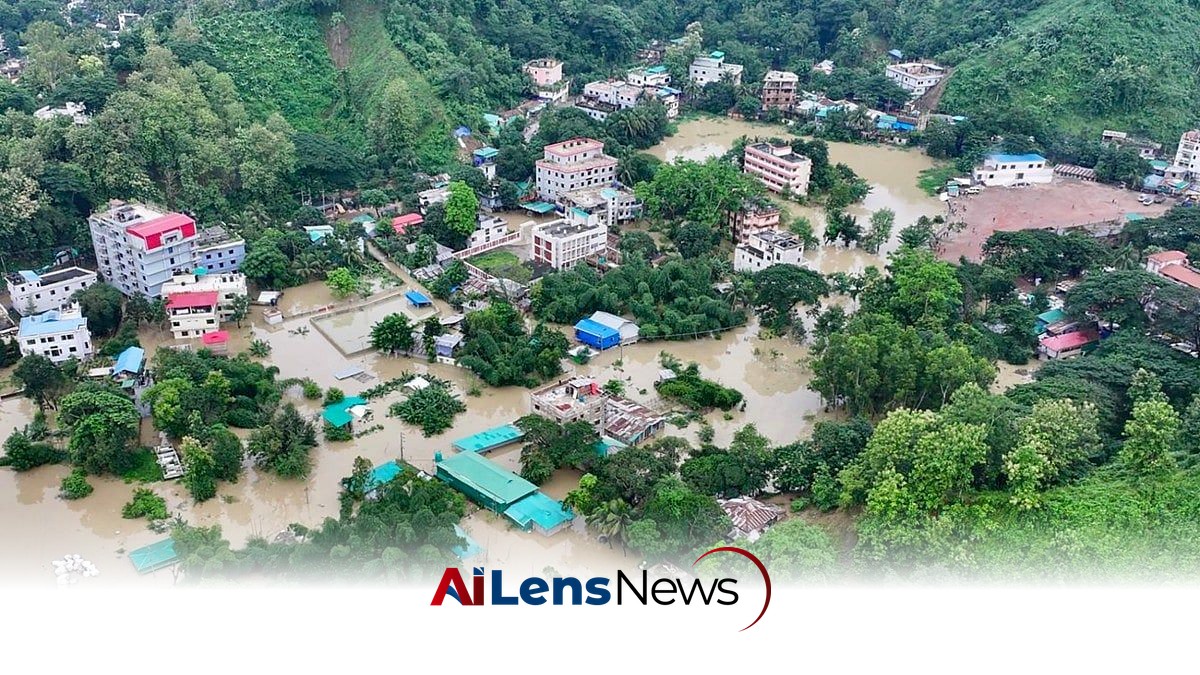


The UAE expresses solidarity with Bangladesh, extending condolences for the flood victims and wishing for a swift recovery for the injured.
Kuwait City, Kuwait Jul 12, 2026 ALN: Abu Dhabi: The UAE has expressed its solidarity with Bangladesh over the victims of floods caused by heavy rainfall, which resulted in dozens of deaths and injuries, as well as significant damage. The recent floods have once again underscored the vulnerability of Bangladesh to natural disasters, a situation that has been exacerbated by climate change and the ongoing challenges of managing water resources effectively.
In a statement, the Ministry of Foreign Affairs (MoFA) conveyed the UAE’s sincere condolences and sympathy to the families of the victims and to the government and people of Bangladesh over this tragedy, as well as its wishes for a speedy recovery for all the injured. Such expressions of support are crucial in times of crisis, as they not only provide comfort to those affected but also reinforce international solidarity during disasters.
Flooding is a recurring issue in Bangladesh, a country that is particularly vulnerable to natural disasters due to its geographical location. Situated on the delta of several major rivers, including the Ganges, Brahmaputra, and Meghna, Bangladesh is prone to seasonal flooding, especially during the monsoon months. The heavy rains that typically occur from June to October can lead to significant water accumulation, overwhelming the country’s drainage systems and causing widespread devastation. The country's dense population and extensive agricultural activities further complicate the situation, as many people live in low-lying areas that are particularly susceptible to flooding.
The recent floods have been exacerbated by climate change, which has contributed to more intense and unpredictable weather patterns. Rising sea levels, increased rainfall, and more severe storms have made it increasingly difficult for countries like Bangladesh to manage their water resources effectively. This has led to a cycle of disaster that affects millions of people each year, resulting in loss of life, displacement, and economic hardship. The interplay between climate change and socio-economic factors means that the impacts of flooding are often felt most acutely by the poorest and most vulnerable communities, who have the least capacity to recover from such shocks.
The implications of such natural disasters extend beyond immediate human suffering. The economic impact can be devastating, particularly for a country like Bangladesh, where a significant portion of the population relies on agriculture for their livelihood. Flooding can destroy crops, disrupt supply chains, and lead to food shortages, pushing vulnerable communities deeper into poverty. The loss of agricultural productivity not only affects food security but also has ripple effects on the broader economy, as agricultural losses can lead to increased prices and reduced income for farmers. Moreover, the rebuilding process can strain government resources and hinder long-term development plans, as funds that could be used for infrastructure or social programs are diverted to disaster response and recovery efforts.
In response to the recent flooding, the UAE's offer of support is particularly significant. The UAE has a history of providing humanitarian assistance to countries affected by natural disasters. This support often takes the form of financial aid, food supplies, medical assistance, and infrastructural support. By extending help to Bangladesh, the UAE is reinforcing its commitment to international solidarity and cooperation, particularly in times of crisis. Such assistance not only addresses immediate needs but also fosters goodwill and strengthens diplomatic ties between nations.
Humanitarian aid from the UAE can also play a crucial role in the immediate aftermath of such disasters. It can help address urgent needs such as shelter for displaced families, medical care for the injured, and food for those who have lost their homes and livelihoods. This kind of support is essential in helping communities recover and rebuild after a disaster. The UAE's involvement may also inspire other nations to contribute to relief efforts, creating a more coordinated and effective international response.
Furthermore, the UAE's involvement in disaster response efforts aligns with its broader foreign policy objectives, which include enhancing its global standing as a leader in humanitarian assistance and disaster relief. By actively participating in such initiatives, the UAE not only helps those in need but also strengthens its diplomatic ties with affected nations. This strategy of humanitarian diplomacy allows the UAE to project its influence while also addressing pressing global challenges.
As the situation in Bangladesh continues to evolve, the international community's role becomes increasingly important. Countries and organizations around the world are often called upon to provide assistance and support during such crises. The response from the UAE may encourage other nations to lend their support as well, creating a more robust international response to the humanitarian needs arising from the floods. Collaborative efforts can lead to more effective relief and recovery strategies, ultimately benefiting those most affected by the disaster.
In addition to immediate relief efforts, long-term strategies are necessary to address the root causes of vulnerability to flooding in Bangladesh. This includes investment in infrastructure improvements, such as better drainage systems and flood defenses, as well as initiatives aimed at enhancing community resilience. Education and awareness programs can also play a vital role in preparing communities for future disasters, equipping them with the knowledge and resources needed to respond effectively. These proactive measures can help mitigate the impact of future flooding events and build a more resilient society.
Climate adaptation strategies are becoming increasingly important in the context of Bangladesh's ongoing battle with flooding. These strategies may include sustainable agricultural practices, reforestation efforts, and the development of early warning systems to alert communities to impending floods. International cooperation will be essential in these efforts, as many of the challenges posed by climate change are global in nature. Collaborative research, shared technology, and funding for adaptation projects can enhance the capacity of vulnerable countries to cope with the effects of climate change.
In conclusion, the recent floods in Bangladesh highlight the urgent need for both immediate humanitarian assistance and long-term strategies to mitigate the effects of climate change and natural disasters. The UAE's expression of solidarity and support serves as a reminder of the importance of international cooperation in addressing these critical issues. As the situation develops, it will be essential for the global community to come together to support those affected and work towards sustainable solutions that can help prevent future tragedies. The ongoing dialogue around climate change adaptation and disaster preparedness will be vital as countries like Bangladesh continue to navigate the challenges posed by their geographical realities and the impacts of a changing climate.
To learn more about the latest developments in Culture & Society, stay updated with our exclusive reports and analyses on AiLensNews.

