

Ukrainian drone strikes on Crimea target military and energy infrastructure, aiming to disrupt Russian supply lines and challenge Putin's control.
New Delhi, India Jul 6, 2026 ALN: A resident inside Crimea has described the situation as "catastrophic," following a series of Ukrainian drone strikes targeting oil refineries, power plants, and military installations on the peninsula. These strikes have intensified recently, reflecting Ukraine's strategic aim to cut off supply lines to Russian troops operating from the south. The situation in Crimea is not just a local issue but has broader implications for the ongoing conflict between Ukraine and Russia, which has been marked by significant military engagements since the annexation of Crimea in 2014.
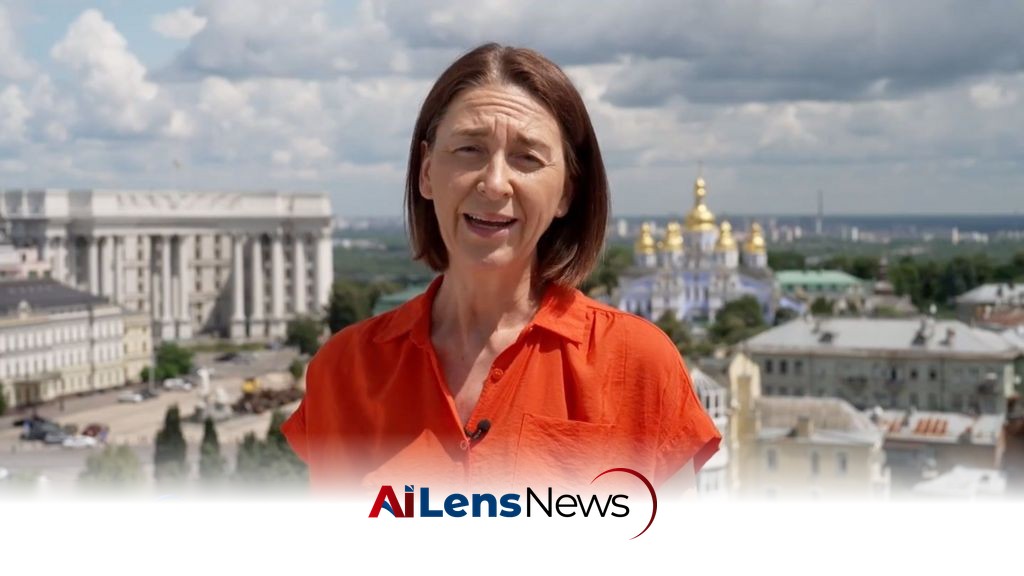
Eastern Europe correspondent Sarah Rainsford elaborates on the motivations behind Kyiv's current offensive and the significance of Crimea to Russian President Vladimir Putin. The peninsula, annexed by Russia in 2014, holds both strategic military value and symbolic importance for Putin, making it a focal point in the ongoing conflict. The annexation was widely condemned by the international community, leading to sanctions against Russia and a protracted geopolitical standoff that has influenced the dynamics of the region.
Crimea's geographical position allows for control over key maritime routes in the Black Sea, which is crucial for military logistics. The peninsula serves as a base for Russian naval operations and a staging ground for attacks against Ukraine. By targeting this region, Ukraine aims to undermine Russia's operational capabilities. The Black Sea is vital not only for military purposes but also for trade and energy transport, making the control of Crimea essential for both nations. The presence of the Russian Black Sea Fleet in Sevastopol further emphasizes the military significance of the region, as it allows Russia to project power into the Mediterranean and beyond.
Historically, Crimea has been a contested area, with its strategic importance magnified during various conflicts. The 2014 annexation was justified by Russia on the grounds of protecting ethnic Russians and Russian speakers in Crimea; however, this move was met with international condemnation and sanctions. The Black Sea region has also been a focal point for NATO and Western powers, who view Russian military presence as a threat to regional stability. The recent Ukrainian strikes can be seen as an attempt to reclaim some of that strategic leverage.
The recent strikes have reportedly disrupted Russian supply chains, complicating logistics for troops stationed in southern Ukraine. As Ukrainian forces continue to target critical infrastructure, the effectiveness of Russian military operations is likely to diminish, potentially leading to a shift in the balance of power on the battlefield. The strikes on oil refineries and power plants not only affect the immediate military capability of Russian forces but also have a ripple effect on civilian infrastructure, exacerbating the humanitarian situation in Crimea. Disruptions in fuel supply can hinder military movements and reduce the operational readiness of Russian units, making them more vulnerable to Ukrainian counteroffensives.
Furthermore, the targeting of such infrastructure sends a clear signal to both Russian military leadership and the civilian population that Ukraine is capable of striking at the heart of Russian operations. This could lead to increased anxiety among Russian troops and their families, as the perception of safety in Crimea is undermined. The strikes also pose a challenge for the Russian military in maintaining its presence and operational effectiveness in the region, which has long been seen as a stronghold.
Putin's administration has framed the strikes as acts of terrorism, attempting to rally domestic support by portraying Ukraine as a threat. This narrative is crucial for maintaining public morale and justifying ongoing military operations in the region. However, the increasing frequency and precision of Ukrainian attacks may challenge this narrative, raising questions about the Kremlin's ability to maintain control over Crimea and its broader military strategy. The Russian government has historically relied on a strong nationalist sentiment to bolster support for its actions in Ukraine, but as the conflict drags on and losses mount, public opinion may begin to shift.
Moreover, the strikes could lead to a reassessment of Russian military tactics and strategy in the region. If Ukraine can continue to execute successful operations against high-value targets, it may embolden further offensives and encourage other nations to support Ukraine more robustly. This could lead to a more significant escalation of the conflict, drawing in additional international actors and complicating the already tense geopolitical landscape. The potential for increased military assistance from NATO countries to Ukraine could change the dynamics on the ground, making it imperative for Russia to reassess its strategy.
The ongoing conflict in Ukraine has reached a critical juncture, with the situation in Crimea serving as a barometer for the war's trajectory. As Ukrainian forces continue to strike at the heart of Russian operations, the implications for both Ukraine and Russia are profound, potentially reshaping the dynamics of the conflict. The situation remains fluid, and the international community is closely monitoring developments in Crimea, as any significant shifts could have far-reaching consequences not only for the region but also for global security and stability.
In summary, the strikes on Crimea are not merely tactical maneuvers; they represent a broader strategy by Ukraine to regain control and assert its sovereignty. The peninsula's strategic importance, coupled with its symbolic value, makes it a critical front in the ongoing conflict. As both sides navigate this complex and evolving situation, the stakes continue to rise, with the potential for increased violence and a protracted struggle for dominance in the region. The international community's response to these developments will also play a crucial role in shaping the future of the conflict, as diplomatic efforts and military strategies continue to evolve in response to the changing dynamics on the ground.
To learn more about the latest developments in Wars & Conflicts, stay updated with our exclusive reports and analyses on AiLensNews.

