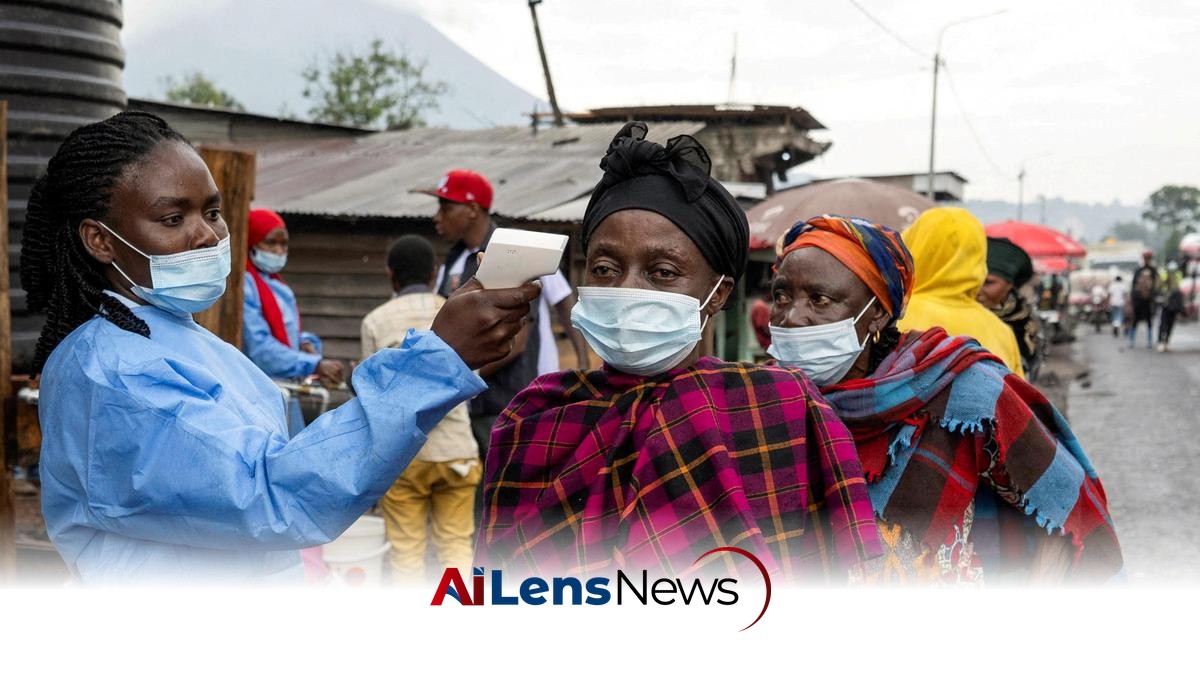


The WHO's Emergency Use Listing of the Bundibugyo virus test enhances rapid diagnosis amid Africa's ongoing Ebola outbreak.
New Delhi, India Jul 5, 2026 ALN: On July 2, 2026, the Health Organization (WHO) announced the addition of the first molecular diagnostic test for Bundibugyo virus (BDBV) to its Emergency Use Listing (EUL). This test is designed to detect the Bundibugyo virus by identifying its genetic material in blood samples, which allows for rapid and accurate confirmation of infection. The inclusion of this test in the EUL is a significant step forward in the ongoing battle against viral outbreaks, particularly in regions where healthcare resources are limited.
The urgency of this development is underscored by the recent outbreak of the Bundibugyo strain of the Ebola virus, first reported on May 17, 2026. Local governments in Africa, particularly in the Democratic Republic of Congo (DRC) and Uganda, have faced a severe public health crisis as the WHO declared a Public Health Emergency of International Concern (PHEIC) in response to the outbreak. This epidemic has been categorized as one of the largest—and potentially most brutal—outbreaks in the region's history.
As of July 1, 2026, the DRC had reported a total of 1,460 confirmed cases of the Bundibugyo virus, with 452 fatalities. Uganda, while less severely affected, reported 20 confirmed cases, which included two deaths and one probable death from the virus. The outbreak has seen at least 229 patients recover from the disease—213 in the DRC and 16 in Uganda—although many others remain in treatment and under observation.
Historically, Africa has experienced several outbreaks of Ebola, but Bundibugyo Virus Disease (BVD) is relatively rare, having only occurred twice prior to this outbreak. The WHO has indicated that differentiating BVD from other endemic febrile illnesses, such as malaria, is particularly challenging without laboratory confirmation using polymerase chain reaction (PCR) or antigen/antibody-based assays. This highlights the critical need for reliable diagnostic tools in outbreak settings.
Efforts to control the outbreak have thus far relied heavily on strategies such as rapid case identification, isolation and care of infected individuals, effective contact tracing, safe burial practices, and strong community engagement. Unfortunately, at this time, there are no approved vaccines or specific treatments available for Bundibugyo virus disease, which increases the urgency of developing effective diagnostic tests and therapeutic options.
The WHO's Emergency Use Listing is a pivotal mechanism that allows for the expedited availability of essential health products during public health emergencies. Less than two weeks after declaring the outbreak a PHEIC, the WHO reached out to manufacturers of in vitro diagnostics (IVD) for the Bundibugyo virus, inviting them to submit Expressions of Interest for the EUL. This proactive approach aims to facilitate the swift deployment of diagnostic tools to affected regions.
The recent inclusion of the quality-assured, emergency-cleared molecular test for Bundibugyo virus is intended to expedite case confirmation during outbreaks. Rapid diagnosis is crucial for isolating infected individuals, guiding treatment protocols, enhancing surveillance efforts, and ultimately interrupting transmission, which is vital for controlling outbreaks. The test's ability to detect the virus through genetic material in blood samples significantly aids in the timely confirmation of infections.
Yukiko Nakatani, WHO Assistant Director-General for Health Systems, Access and Data, emphasized the importance of timely access to quality-assured diagnostic tests during fast-moving outbreaks. She stated, "During a fast-moving outbreak, timely access to quality-assured diagnostic tests can make a critical difference in containing transmission. Through this Emergency Use Listing, WHO is helping countries access trusted diagnostic tools more rapidly so that they can respond more effectively." This statement underscores the WHO's commitment to enhancing the global response to health emergencies.
The WHO’s EUL procedure is a systematic approach that evaluates the quality, safety, and performance of essential health products based on available evidence. This evaluation ensures that the products meet minimum international standards while specifically addressing the needs of low- and middle-income countries, which are often the most affected by such outbreaks.
This risk-based method for assessing and listing unlicensed vaccines, therapeutics, and in-vitro diagnostics aims to expedite the availability of these products to individuals affected by public health emergencies. The EUL procedure has been previously utilized to enlist vaccine candidates for the COVID-19 virus during the pandemic, showcasing its flexibility and importance in various health crises.
The WHO has been actively collaborating with the Africa Centres for Disease Control and Prevention (Africa CDC) to enhance laboratory testing capacity across the provinces affected by the Bundibugyo virus outbreak. This partnership has led to the establishment of a network of 10 laboratories capable of conducting over 2,000 tests per day, significantly improving the region's diagnostic capabilities.
In addition to expanding testing capacity, the WHO, in conjunction with partners such as PATH, FIND, and CHAI, and with support from Unitaid, is setting up a joint validation platform. This platform aims to rapidly evaluate the performance of various diagnostic products, including laboratory-based molecular tests, near-point-of-care molecular tests, and antigen rapid diagnostic tests for Bundibugyo virus. The goal of this initiative is to generate critically needed clinical evidence on the performance of these products in outbreak settings, thereby enhancing the overall response to the crisis.
Moreover, on July 2, 2026, a treatment trial for the Bundibugyo Ebola outbreak in the DRC enrolled its first patient. This trial, which is expected to take several months to complete, involves more than 1,000 patients and will evaluate Mapp Biopharmaceutical’s experimental MBP134 antibody as a standalone treatment for Bundibugyo Ebola. The trial will also assess the efficacy of combining this antibody with Gilead Sciences’ antiviral drug remdesivir. The outcome of this trial could have significant implications for future treatment protocols and may pave the way for more effective therapeutic options for patients affected by Bundibugyo virus disease.
The ongoing efforts by the WHO and its partners highlight the importance of international collaboration in responding to health emergencies. As the situation continues to evolve, the focus remains on improving diagnostic capabilities, developing effective treatments, and ensuring that affected populations receive the care they need. The successful implementation of these measures will be crucial in mitigating the impact of the Bundibugyo virus outbreak and preventing future epidemics.
To learn more about the latest developments in International Organizations, stay updated with our exclusive reports and analyses on AiLensNews.

