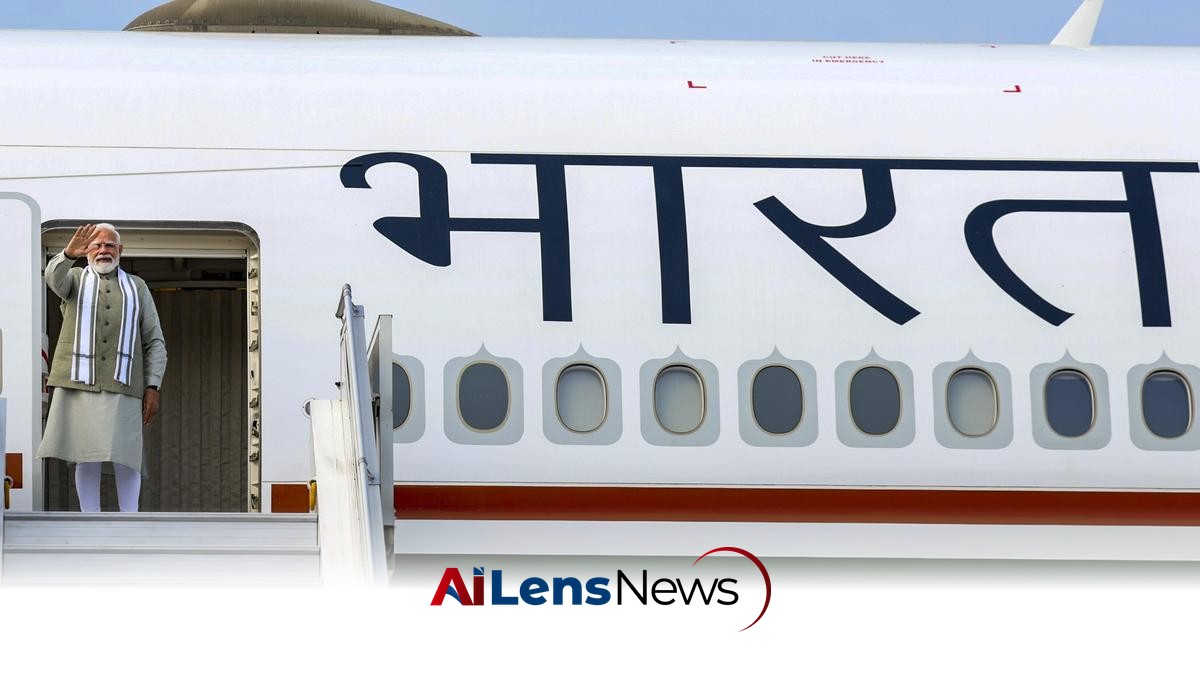


PM Modi's upcoming tour to Indonesia, Australia, and New Zealand aims to strengthen India's Act East Policy and bilateral ties.
New Delhi, India Jul 6, 2026 ALN: Prime Minister Narendra Modi's visit to Indonesia, Australia, and New Zealand from July 6 to July 11, 2026, is poised to significantly bolster India's Act East Policy, a strategic initiative aimed at enhancing India's engagement with the countries in the Asia-Pacific region. This visit comes at a pivotal time as India seeks to strengthen its ties with these nations, which play crucial roles in the regional and global geopolitical landscape.
India's Act East Policy, initiated in 2014, reflects a shift in India's foreign policy focus towards the East, emphasizing deeper economic, strategic, and cultural ties with Southeast Asian nations and beyond. This policy is not merely a diplomatic initiative; it is a response to the changing dynamics of global power, particularly the rise of China and the need for a collective approach to security and economic growth in the Indo-Pacific region. The Act East Policy aims to create a robust framework for engagement that encompasses a variety of sectors, including trade, defense, education, and cultural exchanges.
During his departure statement, PM Modi highlighted the importance of this visit in continuing the strong momentum of India's bilateral relationships with Indonesia, Australia, and New Zealand. He stated, "My visit to Indonesia and Australia in the Eastern and Southern Indian Ocean, respectively, followed by New Zealand, will further strengthen India's Act East Policy, MAHASAGAR Vision as well as our outlook towards a free and open Indo-Pacific." This statement underscores India's commitment to fostering a stable and prosperous Indo-Pacific, which is essential for regional security and economic development.
MAHASAGAR, which stands for Mutual and Holistic Advancement for Security Across the Regions, is a concept that embodies India's vision of security and growth that is inclusive and cooperative. It signifies India's intent to collaborate with its neighbors and partners to address common challenges, such as maritime security, counter-terrorism, and climate change, while promoting sustainable development. The MAHASAGAR initiative emphasizes the importance of collective action in ensuring regional stability and prosperity, particularly in light of the increasing threats posed by non-traditional security issues.
The Prime Minister's first stop will be Indonesia, where he is expected to engage with President Prabowo Subianto from July 6 to July 8. This visit marks a significant milestone as it is Modi's first bilateral visit to Indonesia since the elevation of bilateral ties to a Comprehensive Strategic Partnership during his previous visit in 2018. This partnership encompasses a wide range of areas, including defense, trade, and cultural exchanges, reflecting the deep-rooted civilizational and people-to-people ties that exist between the two nations.
During his time in Indonesia, PM Modi plans to interact with the Indian diaspora, which plays a vital role in strengthening bilateral relations. The Indian community in Indonesia has contributed significantly to various sectors, including business, education, and culture. Furthermore, the visit to the Prambanan Temple complex at Yogyakarta, a UNESCO Heritage site, symbolizes the historical and cultural connections that India shares with Indonesia. Such cultural engagements are crucial for fostering mutual understanding and respect between nations.
Following Indonesia, PM Modi will travel to Australia, where he will meet with Prime Minister Anthony Albanese. This leg of the tour is particularly important as both countries have been working to deepen their Comprehensive Strategic Partnership. The discussions are expected to focus on key areas such as defense and security cooperation, trade and investments, education, and mobility, as well as enhancing people-to-people ties. The strategic partnership between India and Australia has gained momentum in recent years, especially in light of shared concerns regarding regional security and the need for a coordinated response to challenges posed by geopolitical shifts.
Australia has emerged as a crucial partner for India, especially in the context of regional security and economic collaboration. The two nations have been cooperating closely in areas such as counter-terrorism, cyber security, and maritime security, reflecting their shared interests in maintaining a rules-based order in the Indo-Pacific. PM Modi's engagement with the Indian diaspora in Australia will also be a highlight, as it reinforces the cultural and social bonds that exist between the two countries. The Indian community in Australia has made significant contributions to the local economy and society, further solidifying the ties between the two nations.
The final leg of PM Modi's tour will take him to New Zealand, where he will meet with Prime Minister Christopher Luxon. This visit is significant as it comes on the heels of Luxon's visit to India in March 2025, which laid the groundwork for enhanced bilateral ties. The discussions are expected to revolve around economic, trade, and commercial engagements, with a particular focus on the recently signed Free Trade Agreement between India and New Zealand. This agreement is seen as a landmark achievement that will facilitate increased trade flows and economic cooperation between the two countries.
Trade relations between India and New Zealand have been growing steadily, and the Free Trade Agreement is expected to further enhance economic cooperation by reducing tariffs and facilitating smoother trade flows. PM Modi's visit will provide an opportunity to explore new avenues for collaboration in sectors such as agriculture, technology, and education, which are critical for both economies. The emphasis on technology and innovation is particularly relevant in today's rapidly changing global landscape, where countries are increasingly looking towards digital transformation as a means of economic growth.
Moreover, PM Modi expressed his anticipation of addressing a large gathering of the Indian community in New Zealand, acknowledging their contributions to the local economy and society. The Indian diaspora has played a significant role in various fields, including business, academia, and healthcare, and their achievements are a testament to the strong ties between India and New Zealand. Engaging with the diaspora not only strengthens bilateral ties but also fosters a sense of belonging and connection among expatriates, further enriching the cultural fabric of both nations.
In conclusion, Prime Minister Modi's visit to Indonesia, Australia, and New Zealand represents a strategic effort to enhance India's presence and influence in the Indo-Pacific region. By strengthening bilateral ties, promoting trade and investment, and engaging with the Indian diaspora, India aims to foster a collaborative approach to regional challenges while promoting a free, open, and inclusive Indo-Pacific. As the geopolitical landscape continues to evolve, such diplomatic engagements will be crucial in shaping the future of India’s foreign policy and its role in the global arena. The outcomes of this visit may have lasting implications for India's strategic positioning in the Asia-Pacific, particularly in relation to its approach towards emerging global challenges and opportunities.
To learn more about the latest developments in Regions & Countries, stay updated with our exclusive reports and analyses on AiLensNews.

