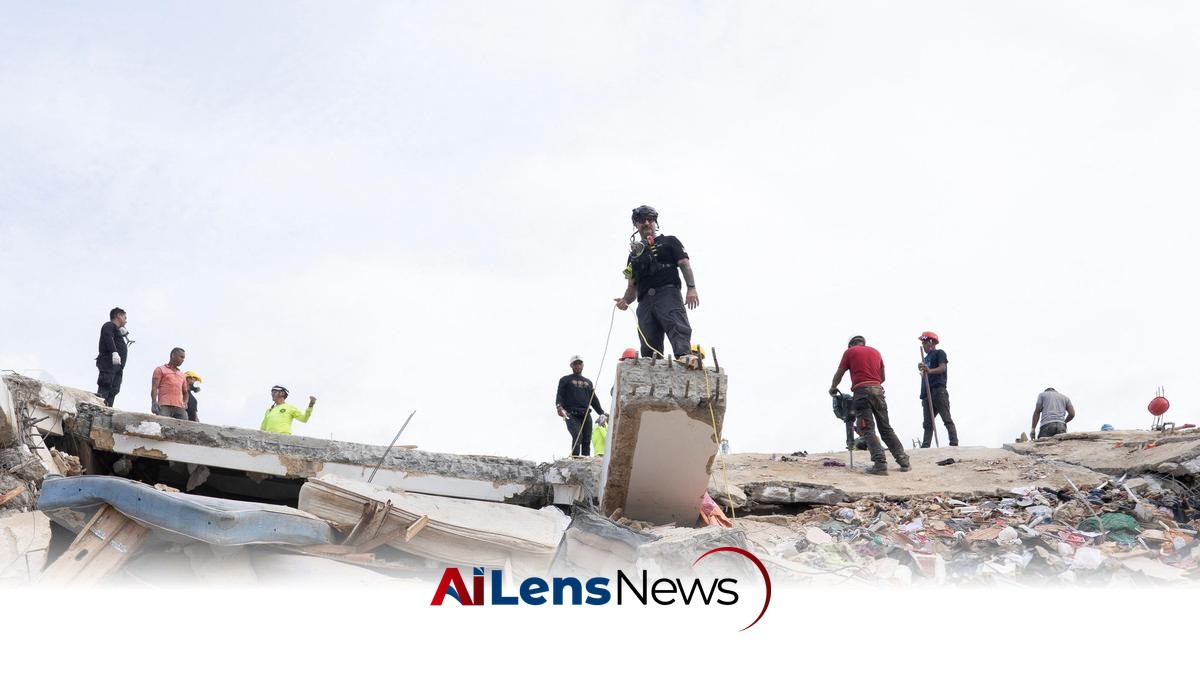


Venezuela's recent earthquakes have claimed over 5,000 lives, prompting the IMF to release $346 million for urgent reconstruction efforts.
Caracas, Venezuela Jul 18, 2026 ALN: The twin earthquakes that struck Venezuela last month have resulted in a devastating death toll exceeding 5,000, according to officials. In response to the disaster, the country has secured hundreds of millions of dollars from the International Monetary Fund (IMF) to aid in reconstruction efforts.
The earthquakes, measuring 7.2 and 7.5 on the Richter scale, struck within a minute of each other on June 24, wreaking havoc on the coastal state of La Guaira, located just north of Caracas. This region is known for its picturesque beaches and as a vital port for the country, but the earthquakes have turned it into a scene of destruction and despair. The tremors were felt across a wide area, with reports of damage extending into the capital city of Caracas and beyond, affecting millions of residents.
National Assembly chief Jorge Rodriguez reported on Telegram that the disasters have claimed 5,069 lives, with the majority of casualties occurring in the coastal region. The number of injured remains at 16,740, with most individuals having already been discharged from hospitals. The scale of the disaster has overwhelmed local healthcare systems, which were already strained due to the ongoing economic crisis in the country. Hospitals that were already operating with limited resources have struggled to cope with the influx of patients, many of whom required urgent medical attention for injuries sustained during the earthquakes.
On July 17, 2026, Interim President Delcy Rodriguez announced that Venezuela had accessed $346 million from the IMF specifically for earthquake reconstruction. This financial infusion is critical for the nation, which has been grappling with a protracted economic crisis that has left many of its citizens in poverty. The funds are expected to be allocated for rebuilding infrastructure, providing medical assistance, and addressing the urgent needs of those displaced by the earthquakes. The allocation of these funds marks a significant moment for Venezuela, as it signals a potential shift in the country’s relationship with international financial institutions, particularly in light of the ongoing humanitarian crisis.
IMF Managing Director Kristalina Georgieva confirmed the allocation of funds, stating on X that the institution had collaborated with key partners to help Venezuela access its own resources for urgent humanitarian needs. She noted that the funds were drawn from Venezuela's reserve tranche, a mechanism that allows countries to access a portion of their IMF quotas. This move marks a significant step in the IMF's engagement with Venezuela, particularly in the context of the country's ongoing humanitarian crisis. It also raises questions about the conditions attached to such financial assistance and how it will be managed by the Venezuelan government.
Approximately 20,000 people displaced by the earthquakes are currently living in overcrowded camps, many of which lack adequate water supplies and sanitation facilities. The conditions in these camps are dire, with reports of insufficient food and medical care. Humanitarian organizations are working to provide assistance, but the scale of the need is overwhelming. The situation is exacerbated by the existing economic challenges facing the country, which have limited the government's ability to respond effectively to the disaster. The lack of infrastructure and resources has led to a humanitarian crisis within the already precarious situation in Venezuela, making it difficult for aid to be distributed efficiently.
The earthquakes have also highlighted the vulnerabilities of Venezuela's infrastructure, which has suffered from years of neglect and underinvestment. Many buildings, including homes, schools, and hospitals, were not built to withstand seismic activity, leading to widespread destruction. As the country begins the long process of recovery and rebuilding, there will be an urgent need to reassess building codes and invest in more resilient infrastructure. This presents both a challenge and an opportunity for the Venezuelan government to implement reforms that could enhance the country’s resilience to future disasters.
In April, the IMF and the Bank announced the resumption of relations with Venezuela, following the U.S. military incursion that led to the overthrow of President Maduro in January. Relations with these institutions had been frozen since 2019, when the political crisis in Venezuela deepened, leading to international sanctions and a withdrawal of foreign investments. The resumption of relations signals a potential shift in the international community's approach to Venezuela, particularly as the country grapples with the aftermath of the earthquakes. The renewed engagement could pave the way for further assistance and investment, provided that political stability is achieved.
Venezuela's economic landscape has been challenging for years, characterized by hyperinflation, food shortages, and a significant brain drain as professionals leave the country in search of better opportunities. The earthquakes have compounded these issues, creating an urgent need for international assistance and a coordinated response to the humanitarian crisis. The allocation of IMF funds is a critical step, but it also raises questions about the long-term sustainability of recovery efforts and the role of international financial institutions in addressing the needs of vulnerable populations. The effectiveness of the reconstruction efforts will depend not only on the financial resources available but also on the political will and capacity of the government to implement necessary reforms.
In the coming months, the Venezuelan government will face the daunting task of not only rebuilding physical infrastructure but also restoring public trust and ensuring that aid reaches those most in need. The situation remains fluid, and as the international community watches closely, the implications of the earthquakes and the response to them will likely shape Venezuela's political and economic trajectory for years to come. The government’s ability to manage the reconstruction process transparently and effectively will be crucial in determining public confidence in its leadership.
Furthermore, the earthquakes have drawn attention to the broader implications of climate change and natural disasters in the region. As extreme weather events become more frequent, countries like Venezuela may find themselves increasingly vulnerable to such disasters. This reality underscores the importance of investing in disaster preparedness and response mechanisms, as well as fostering international cooperation to address the challenges posed by climate change. The need for sustainable development practices that prioritize resilience against natural disasters is more pressing than ever.
As Venezuela embarks on this challenging path towards recovery, the resilience of its people will be tested. Communities are coming together to support one another, and there is a palpable sense of solidarity among those affected by the earthquakes. The road to recovery will be long and fraught with challenges, but with the support of international partners and a commitment to rebuilding, there is hope for a brighter future for Venezuela. The collective efforts of the Venezuelan people, along with the support from the international community, will be essential in overcoming the immediate aftermath of this disaster and in laying the groundwork for a more stable and prosperous future.
To learn more about the latest developments in Regions & Countries, stay updated with our exclusive reports and analyses on AiLensNews.

