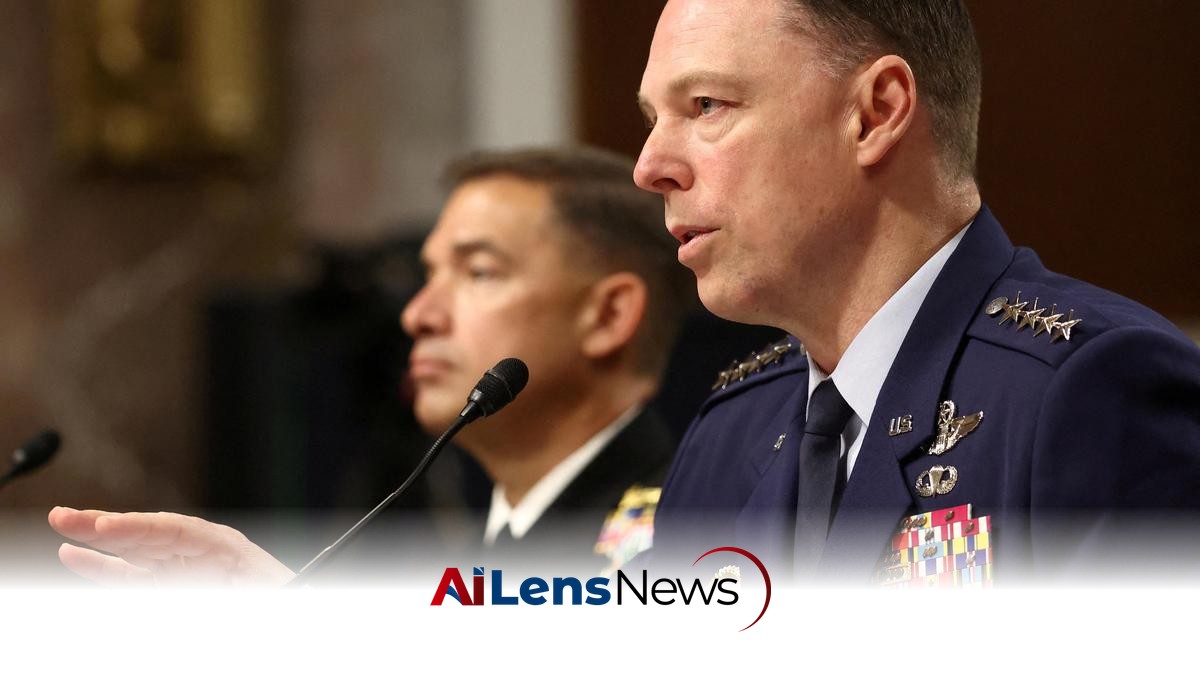


The U.S. has withdrawn most forces from Nigeria following a successful operation against ISIS, focusing on intelligence support and future cooperation.
Washington DC, United States Jul 4, 2026 ALN: The recent withdrawal of U.S. forces from Nigeria marks a significant shift in the American military strategy in Africa, particularly in the context of combating the Islamic State (ISIS) and other extremist groups. The announcement was made by General Dagvin Anderson, the head of U.S. Africa Command (AFRICOM), during a conference of African defense chiefs held in Luanda, Angola. This decision follows a successful joint operation conducted in May, which resulted in the elimination of Abu-Bilal al-Minuki, the second-in-command of ISIS globally.
The operation in northeastern Nigeria was a part of broader U.S. efforts to assist African nations in their fight against terrorism. Over the years, the U.S. has been involved in various capacities across the continent, providing training, intelligence, and direct military support to partner nations battling extremist threats. The decision to withdraw most forces signifies a strategic pivot towards a model of support that emphasizes local leadership in security operations while offering specialized capabilities as needed.
In May, the joint operation not only targeted a high-profile ISIS leader but also aimed to disrupt the operational capabilities of the group in the Lake Chad Basin region. This area has been a hotspot for militant activity, with various factions of ISIS and other extremist groups exploiting the instability and challenges faced by local governments. The successful elimination of al-Minuki was seen as a critical blow to ISIS’s leadership structure, and General Anderson noted that the operation had broader implications beyond West Africa, impacting the international network of the militant group.
General Anderson emphasized that the operation exemplified a collaborative approach to security in Africa, where U.S. forces provide support without overshadowing the capabilities of African partners. This approach is crucial, as it fosters ownership of security operations by local forces, which is essential for long-term stability and effectiveness in combating terrorism. The U.S. has increasingly recognized that sustainable security solutions must be led by African nations themselves, with external support tailored to their specific needs.
In the aftermath of the May operation, Nigeria has reportedly intensified its military efforts against ISIS, with General Anderson noting that the Nigerian military has continued to target key militants independently. This sustained pressure has reportedly led to an increase in defections and surrenders among ISIS fighters in the region, indicating a potential shift in the balance of power in favor of Nigerian forces. The psychological impact of the operation, coupled with ongoing military actions, has contributed to a climate where ISIS fighters may feel increasingly vulnerable.
The conference in Angola, attended by military leaders from 35 African countries, underscores the collaborative nature of security efforts across the continent. The presence of representatives from the U.S. and Brazil highlights the international dimension of these discussions, reflecting a growing recognition of the need for a coordinated approach to address the multifaceted threats posed by extremist groups. Such gatherings facilitate the sharing of best practices, intelligence, and strategies, which are essential for building a cohesive response to terrorism in Africa.
The implications of the U.S. withdrawal from frontline combat roles in Nigeria are significant. It signals a shift towards a more advisory and supportive role, which may influence how future operations are conducted in the region. While this strategy can empower local forces and enhance their capabilities, it also raises questions about the adequacy of resources and training available to these forces to effectively counter the persistent threat of ISIS and other militant groups.
Moreover, the evolving security landscape in Nigeria and the broader Lake Chad Basin region remains complex. The presence of various extremist groups, including Boko Haram and its splinter factions, continues to pose challenges to regional stability. The U.S. and its allies must navigate these dynamics carefully, ensuring that support is not only effective but also sensitive to the local context and the underlying issues contributing to extremism.
The U.S. has historically played a significant role in counterterrorism efforts in Africa, particularly in regions plagued by instability and violence. The shift in strategy to empower local forces is not without precedent; similar approaches have been seen in other regions, such as the Middle East. However, the effectiveness of this strategy in Africa will depend heavily on the ability of local governments to manage their security challenges independently.
As the U.S. refines its approach to security cooperation in Africa, it will be crucial to monitor the outcomes of the ongoing military actions by Nigerian forces and the impact of intelligence-sharing arrangements. The effectiveness of this strategy will likely be evaluated based on the ability of local forces to maintain momentum against ISIS and prevent the resurgence of extremist activities in the region. The Nigerian military's ability to sustain operations and adapt to the evolving tactics of extremist groups will be key in determining the long-term success of this strategy.
In conclusion, the withdrawal of U.S. forces from Nigeria after the successful operation against ISIS leadership illustrates a broader strategy focused on empowering African nations to lead their security efforts. While this approach has the potential to foster greater ownership and sustainability in combating terrorism, it also necessitates ongoing support and collaboration to address the enduring challenges posed by extremist groups in the region. The developments in Nigeria will serve as a critical case study for future U.S. engagement in Africa, as the balance between support and local leadership continues to evolve in the fight against terrorism.
Furthermore, the implications of this shift extend beyond military strategy. They touch upon diplomatic relations, economic support, and humanitarian efforts in the region. As the U.S. transitions to a more supportive role, it may also need to consider how to engage with local governments on broader issues such as governance, human rights, and economic development. These factors are often intertwined with security and can influence the effectiveness of counterterrorism efforts.
In summary, the U.S. withdrawal from Nigeria is not merely a military decision; it reflects a complex interplay of strategic, political, and social factors that will shape the future of U.S.-Africa relations. As local forces take on greater responsibility for their security, the international community will be watching closely to assess the outcomes of this new approach and its implications for regional stability and global security.
To learn more about the latest developments in Wars & Conflicts, stay updated with our exclusive reports and analyses on AiLensNews.

