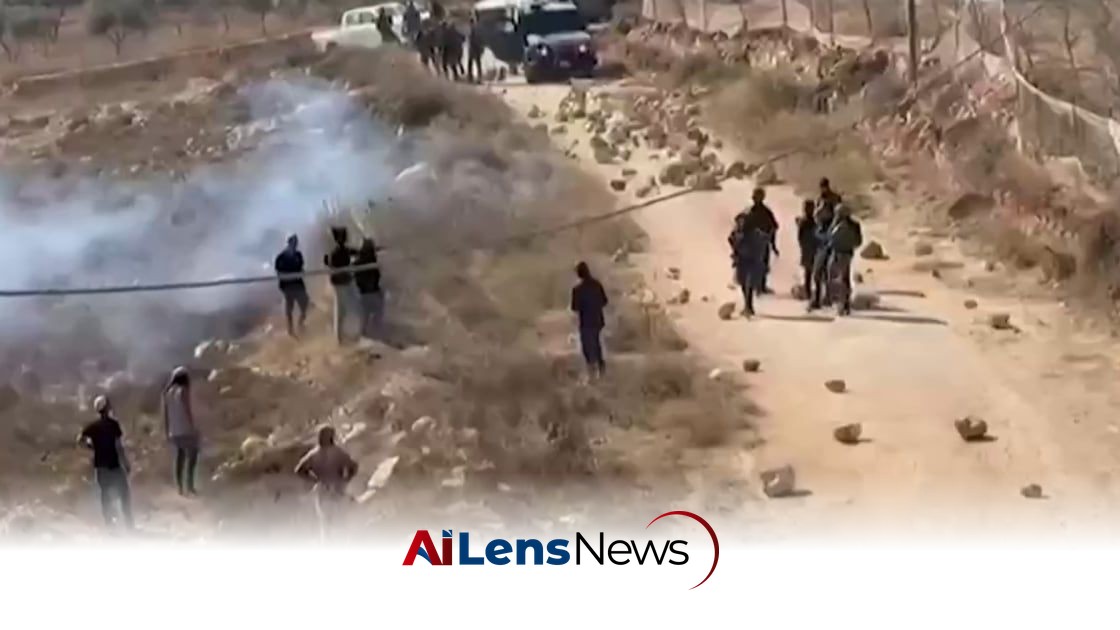


U.S. Ambassador Mike Huckabee criticizes Israeli settlers for trapping Palestinian families in their homes, cutting off essential supplies.
Washington DC, United States Aug 14, 2026 ALN: The Israeli-Palestinian conflict has been a longstanding and complex issue, deeply rooted in historical grievances, territorial disputes, and national identities. Central to this conflict is the contentious issue of Israeli settlements in the West Bank, which many in the international community view as illegal under international law, while Israel disputes this characterization. Settlements are residential communities built by Israel on land that Palestinians claim for a future state, and they have been a focal point of tension between Israelis and Palestinians for decades. The recent actions of Israeli settlers, who have reportedly trapped two Palestinian families in their homes for several days, have intensified the scrutiny on these settlements and their impact on local Palestinian communities.
According to reports, the settlers surrounded the homes of these families, effectively cutting off their access to essential resources such as food, water, and electricity. This blockade not only creates immediate humanitarian concerns but also raises broader questions about the rights of Palestinians living under occupation. The situation escalated to a point where the families were left vulnerable and isolated, prompting significant criticism from human rights organizations and international observers. The actions of the settlers, which can be seen as a form of collective punishment, highlight the precarious situation faced by Palestinians in the West Bank, where they often live with the threat of violence and displacement.
U.S. Ambassador to Israel, Mike Huckabee, has publicly condemned the actions of the settlers, emphasizing the need for humane treatment of all individuals in the region. The U.S. has historically maintained a strong alliance with Israel, often supporting its right to defend itself. However, this incident illustrates a growing recognition within U.S. diplomacy that the treatment of Palestinians cannot be overlooked. Huckabee's condemnation reflects a shift in some U.S. officials' rhetoric, acknowledging the need for balance in addressing both Israeli security concerns and the humanitarian rights of Palestinians. This shift may suggest a broader reevaluation of U.S. policy in the region, particularly as it relates to human rights and the ongoing occupation.
The Israeli Defense Forces (IDF) have stated that they intervened to disperse the settlers from the area. However, reports suggest that despite these claims, some settlers remain nearby, continuing to pose a threat to the trapped families. This situation underscores the complexities of the IDF's role in managing settler violence and protecting Palestinian civilians. The presence of settlers in the West Bank has often created a volatile environment, where clashes between settlers and Palestinians can erupt, leading to further violence and instability. The IDF's dual role as both protector of Israeli citizens and enforcer of occupation complicates its ability to respond effectively to such incidents, often leading to accusations of bias and ineffectiveness.
This incident is not an isolated event but rather part of a broader pattern of violence and displacement faced by Palestinians in the West Bank. Over the years, there have been numerous reports of settlers engaging in aggressive actions against Palestinian communities, including property destruction, physical assaults, and intimidation. These actions often lead to a cycle of retaliation and further violence, exacerbating tensions between the two groups. The ongoing expansion of settlements, often supported by the Israeli government, has further entrenched divisions and made the prospect of a peaceful resolution more challenging.
The international community has been increasingly vocal about the need to address these humanitarian crises. Various human rights organizations have called for immediate action to protect Palestinian families from settler violence and to ensure their basic rights are upheld. The United Nations and other international bodies have repeatedly urged Israel to cease settlement expansion and to respect the rights of Palestinians living in the occupied territories. However, despite these calls, the situation on the ground remains precarious, with little progress toward a peaceful resolution. The lack of accountability for settler violence and the continued expansion of settlements undermine the credibility of peace initiatives and contribute to a sense of hopelessness among Palestinians.
The implications of such incidents extend beyond immediate humanitarian concerns. They raise critical questions about the viability of a two-state solution, which has long been viewed as the most feasible path to peace in the region. The expansion of settlements and the ongoing violence often undermine trust between the parties, making negotiations increasingly difficult. As the situation continues to evolve, the potential for renewed conflict remains a pressing concern. The two-state solution, which envisions an independent Palestinian state alongside Israel, is increasingly seen as threatened by the realities on the ground, including settlement expansion and demographic changes in the West Bank.
Additionally, the actions of Israeli settlers can have far-reaching consequences on the ground. They not only impact the lives of the immediate victims but also contribute to a broader atmosphere of fear and insecurity among Palestinian communities. The psychological toll of living under constant threat cannot be underestimated, as families grapple with the reality of violence and the unpredictability of their daily lives. This environment of fear can lead to increased radicalization and a cycle of violence that is difficult to break, further complicating efforts for peace.
As the international community watches closely, the urgency for a resolution becomes more pronounced. The humanitarian crisis created by the actions of settlers in the West Bank serves as a stark reminder of the ongoing challenges faced by Palestinians and the need for a comprehensive approach to address the underlying issues of the conflict. Diplomatic efforts must prioritize the protection of human rights and the establishment of a framework that ensures the safety and dignity of all individuals in the region. The role of international actors, including the United States, the European Union, and regional powers, will be crucial in mediating dialogue and fostering conditions conducive to peace.
In conclusion, the recent actions of Israeli settlers, which have trapped two Palestinian families in their homes, highlight the ongoing humanitarian crises in the West Bank. U.S. Ambassador Huckabee's condemnation reflects a growing awareness of the need for humane treatment of all individuals in the region, and the situation has drawn significant attention from the international community. As the complexities of the Israeli-Palestinian conflict continue to unfold, the implications for peace and stability in the region remain uncertain, necessitating urgent action to protect vulnerable populations and foster an environment conducive to dialogue and reconciliation. The path forward requires a commitment from all parties to engage in constructive dialogue, prioritize human rights, and work towards a just and lasting resolution to the conflict.
To learn more about the latest developments in Culture & Society, stay updated with our exclusive reports and analyses on AiLensNews.

