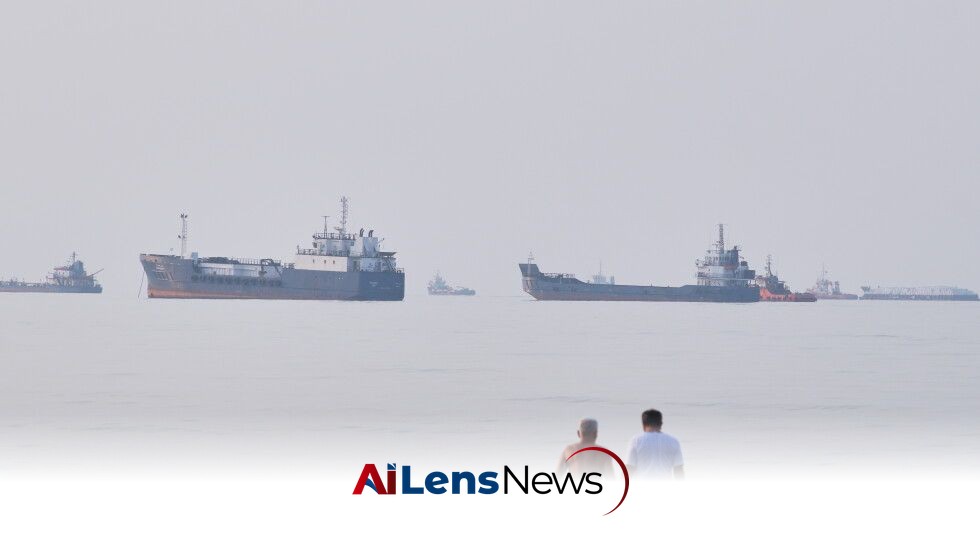


The U.S. military's ongoing efforts against Iran have intensified attention on three key islands in the Strait of Hormuz, crucial for global oil and gas transport.
Washington DC, United States Jul 17, 2026 ALN: The Strait of Hormuz, a vital waterway for global oil and gas supplies, has once again become a focal point in the escalating tensions between the United States and Iran. Three small islands—Abu Musa, Greater Tunb, and Lesser Tunb—are strategically positioned at the juncture of the Persian Gulf and the Strait, making them critical in controlling access to this essential maritime route. The geopolitical significance of these islands cannot be overstated, as they play a pivotal role in the dynamics of regional power and international trade.
The Strait of Hormuz is one of the most important maritime chokepoints in the world, with approximately 20% of the global oil trade passing through it. This narrow passage, which connects the Persian Gulf to the Gulf of Oman, is a critical artery for oil exports from major producers like Saudi Arabia, Iraq, and Iran. The islands, which are claimed by Iran but also have historical ties to the United Arab Emirates (UAE), serve as strategic military outposts. Their control is crucial for any military operations in the region, particularly as tensions rise over Iran's nuclear program and its regional influence.
Historically, the islands have been a source of dispute between Iran and the UAE. The UAE asserts that it has legitimate claims to the islands based on historical and geographical arguments, while Iran maintains its sovereignty over them following its takeover in 1971. This territorial dispute adds another layer of complexity to the already fraught relations between the two nations, as well as to the broader geopolitical landscape of the Gulf region.
In recent weeks, the United States has ramped up its military presence in the region, citing the need to ensure the free flow of commerce through the Strait. This military buildup includes the deployment of naval vessels and aircraft, which are intended to deter any aggressive actions by Iran that could threaten shipping lanes. An initial agreement reached between the U.S. and Iran aims to open the Strait and extend a fragile ceasefire, allowing much-needed oil and natural gas supplies to reach global markets. This development highlights the islands' significance not only as military assets but also as economic lifelines, crucial for maintaining stability in global energy markets.
The strategic value of the islands is further amplified by their proximity to key shipping routes. Control over these islands would allow a nation to exert significant influence over maritime traffic, potentially enabling it to disrupt or regulate the movement of oil and gas shipments. This factor has led to ongoing military posturing by both Iran and the United States, as each seeks to assert its dominance in the region.
The islands have been a point of contention since the 1971 takeover by Iran, which has since fortified its military presence there. Following the British withdrawal from the Gulf region in the early 1970s, Iran seized control of the islands, prompting a diplomatic response from the UAE, which has consistently sought international support to reclaim sovereignty over the islands. The UAE views these islands as integral to its territorial integrity and national identity, making the dispute not only a matter of strategic importance but also a deeply emotional issue for Emirati citizens.
In the decades since the takeover, Iran has developed its military capabilities on the islands, establishing bases and deploying missile systems that can target vessels transiting the Strait. This military buildup has raised alarms among neighboring countries and has been a significant factor in the regional security calculus. The ongoing conflict in the region, including proxy wars and tensions with other Gulf states, has made these islands a flashpoint for potential military confrontations.
The international community is closely monitoring the situation, with various nations expressing concern over the potential for conflict. The U.S. has reiterated its commitment to protecting freedom of navigation in the Strait, a principle that is vital for international trade and energy security. This commitment has been underscored by joint military exercises with allied nations in the region, aimed at demonstrating a united front against any threats to maritime security.
Conversely, Iran has warned against any foreign military presence in what it considers its territorial waters. Iranian officials have characterized U.S. military actions as provocations that could escalate tensions and lead to confrontation. The rhetoric surrounding these developments has been charged, with both sides engaging in a war of words that reflects the deep-seated animosities and historical grievances that have shaped their relationship.
Moreover, regional powers such as Saudi Arabia and Israel have a vested interest in the developments surrounding the Strait of Hormuz. Both countries view Iran's actions in the region as a direct threat to their national security and have expressed support for U.S. efforts to counter Iranian influence. This alignment further complicates the geopolitical landscape, as it pits Iran against a coalition of nations that are united in their opposition to its regional ambitions.
As the geopolitical landscape continues to evolve, the three islands in the Strait of Hormuz will remain crucial in the broader context of U.S.-Iran relations. Their strategic importance underscores the delicate balance of power in the region and the potential for conflict that could disrupt global oil supplies. The situation is further complicated by the intricate web of alliances and rivalries that characterize Middle Eastern politics, making any resolution to the dispute over the islands a challenging endeavor.
In summary, the islands of Abu Musa, Greater Tunb, and Lesser Tunb are not merely geographical features; they are symbols of national pride, historical grievances, and strategic interests. As tensions continue to simmer, the international community must remain vigilant, recognizing that the stability of the Strait of Hormuz is critical not only for the nations directly involved but for the global economy as a whole. The potential for conflict in this vital region necessitates ongoing diplomatic efforts and a commitment to dialogue, as the stakes are high for all parties involved.
To learn more about the latest developments in Culture & Society, stay updated with our exclusive reports and analyses on AiLensNews.

