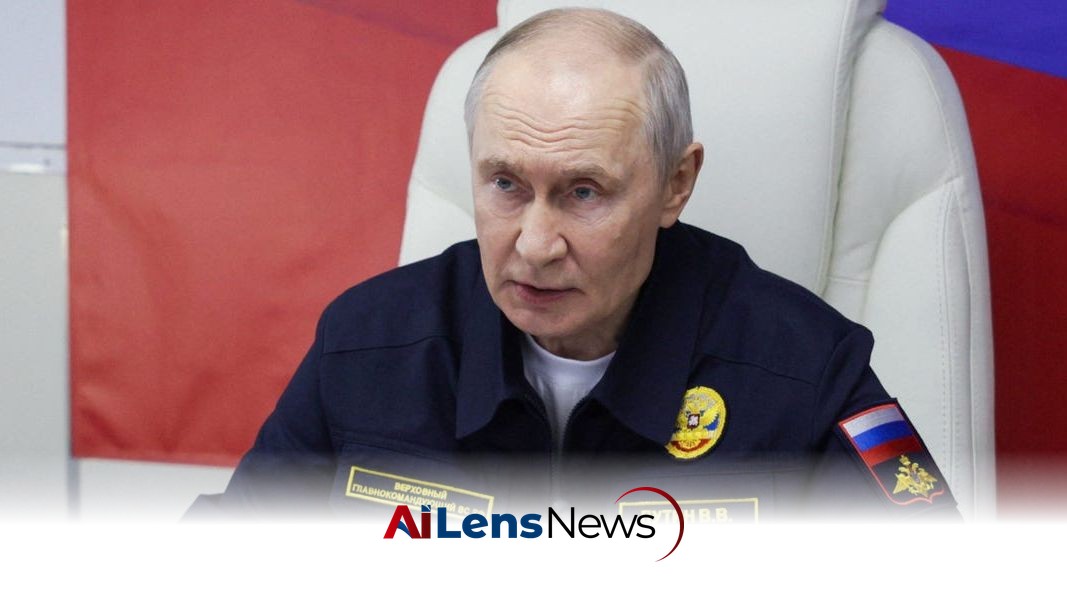


Russian President Vladimir Putin warns of retaliation if Europe seizes Russian vessels, asserting knowledge of Western maritime activities.
Washington DC, United States Aug 13, 2026 ALN: In a significant escalation of rhetoric, Russian President Vladimir Putin has issued a stark warning regarding potential retaliatory measures against Western nations if they proceed with the seizure of Russian ships. This statement highlights the increasing tensions between Russia and Europe, particularly in the context of ongoing sanctions related to the conflict in Ukraine. As the geopolitical landscape continues to shift, maritime trade routes have become a focal point of conflict, with both sides employing various strategies to assert their interests.
Putin's remarks come at a time when European countries are intensifying their efforts to disrupt Russia's maritime oil trade. The so-called shadow fleet, which consists of vessels that operate under flags of convenience or are otherwise obscured from scrutiny, has been a particular target of these efforts. In July, the European Union amended its sanctions framework, allowing member states to sell Russian oil cargoes that have been seized. This move is part of a broader strategy aimed at undermining Russia's economic stability amid its ongoing military operations in Ukraine.
During a recent address, Putin characterized the potential seizure of Russian vessels as "piracy and plunder." This language underscores the seriousness with which the Russian government views these actions and signals a willingness to respond aggressively if provoked. He stated, "If this happens, we will have to reciprocate — not necessarily in the waters where they plan to raid our own ships but anywhere we consider necessary or reasonable, including in the Pacific Fleet's area of responsibility." This statement indicates that Russia is prepared to take action beyond its immediate maritime borders, potentially leading to broader conflicts in international waters.
Supporting Putin's assertions, Pacific Fleet Commander Viktor Liina informed him that Russia has conducted a thorough analysis of maritime traffic in the Asia-Pacific region. Liina claimed, "We know the routes, what they are carrying, and whose ships they are." This intelligence capability suggests that Russia is closely monitoring Western commercial shipping activities, which could lead to preemptive actions to protect its interests.
The backdrop to these developments includes a series of maritime operations conducted by European nations, aimed at enforcing sanctions against Russia. For instance, in June, British naval forces boarded the tanker "Smyrtos," which the UK government claims is affiliated with Russia's shadow fleet. This vessel was subsequently detained off the southern coast of England, marking a significant enforcement action in the ongoing sanctions regime.
Additionally, the European Union has deployed naval missions to monitor and board sanctioned vessels. On August 2, Italian forces, operating under the EU's Operation Irini, boarded the tanker "Toa Payoh" in international waters to verify its nationality. This operation was notable as it marked the second such intervention in less than two weeks, demonstrating a concerted effort by European authorities to clamp down on illicit maritime activities linked to Russian oil exports.
Oil and gas exports remain critical to the Russian economy, serving as a primary source of revenue that supports the country's budget and military operations. In response to the sanctions and maritime actions, the Kremlin has sought to bolster its defenses and maintain its revenue streams. However, the effectiveness of these measures is increasingly being called into question as Western governments continue to implement and expand sanctions targeting Russia's energy sector.
Recent economic indicators suggest that Russia's economy is experiencing significant strain. The country's GDP grew by 1.3% in the second quarter compared to the previous year, according to data from Russia's Federal Statistics Service. This growth represents a rebound from a 0.2% decline in the first quarter, but it is important to note that the overall economic trajectory remains far below pre-war levels. The Bank of Russia has also maintained a high key interest rate of 14% as of July, reflecting ongoing challenges in stabilizing the economy amidst external pressures.
Compounding these economic challenges, Ukraine has escalated its military operations against Russian energy infrastructure. Ukrainian forces have targeted refineries and other oil facilities in an effort to disrupt a vital source of revenue for Moscow. These attacks not only aim to weaken Russia's financial position but also serve as a tactical response to the ongoing conflict, demonstrating Ukraine's resolve to counter Russian aggression.
The maritime domain is increasingly becoming a battleground for both Russia and Western nations. As sanctions tighten and military tensions rise, the potential for confrontations at sea grows. Russia's threats of retaliation, coupled with its intelligence capabilities, suggest that it is prepared to respond to any perceived threats to its maritime interests. Conversely, Western nations are likely to continue their efforts to enforce sanctions and disrupt Russian oil exports, leading to a protracted standoff in international waters.
As the situation develops, the implications of these maritime confrontations could extend beyond economic impacts, potentially affecting global shipping routes and international trade dynamics. The escalating tensions in the maritime arena reflect broader geopolitical struggles, with both sides weighing their options carefully as they navigate this complex and volatile landscape.
In summary, President Putin's threats of retaliation against Western ship seizures signal a significant escalation in maritime tensions amid ongoing sanctions related to the war in Ukraine. As Europe intensifies its efforts to disrupt Russia's oil trade and enforce sanctions, the situation at sea is likely to remain a critical flashpoint in the broader conflict. The strategic importance of maritime routes, combined with the economic stakes involved, ensures that both sides will continue to closely monitor and respond to developments in this arena.
To learn more about the latest developments in Culture & Society, stay updated with our exclusive reports and analyses on AiLensNews.

