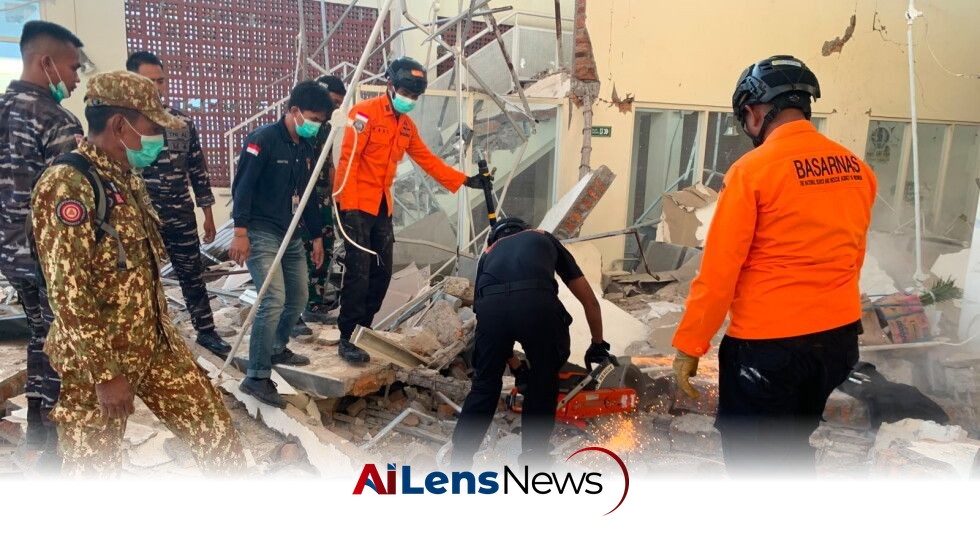


A powerful 7.7 magnitude earthquake off Indonesia's coast has resulted in at least 47 fatalities and significant destruction in the region.
Washington DC, United States Aug 16, 2026 ALN: A devastating magnitude 7.7 earthquake struck off the coast of Indonesia on Saturday, August 15, 2026, causing widespread panic and destruction. The U.S. Geological Survey reported that the quake hit the Flores region at 5:58 a.m. local time, with a depth of 10 kilometers. Its epicenter was located 68 kilometers north-northwest of Ende in East Nusa Tenggara province. Indonesia, located on the Pacific Ring of Fire, is no stranger to seismic activity, and this earthquake underscores the persistent threat that natural disasters pose to the region.
The earthquake has resulted in at least 47 confirmed deaths, with many more injured as buildings collapsed under the tremors. Emergency services have been deployed to the affected areas, where rescuers are working tirelessly to clear debris and search for survivors. The immediate aftermath of such a powerful quake typically sees a surge in injuries and fatalities as people are caught off-guard during the early morning hours when many are still asleep.
Following the initial quake, several aftershocks were reported, further complicating rescue efforts. Aftershocks can pose a significant risk to both rescuers and survivors, as weakened structures may collapse further. Local authorities have urged residents to remain vigilant as the situation develops. The Indonesian National Search and Rescue Agency (BASARNAS) has been actively involved in the rescue operations, providing assistance to those in need. The agency has a history of responding to natural disasters in Indonesia, which has enabled them to develop effective strategies for search and rescue missions.
As part of the immediate response, local hospitals have been overwhelmed with the influx of injured individuals, and medical staff have been working around the clock to provide care. The government has also activated emergency protocols, allowing for the rapid deployment of medical teams and supplies to the hardest-hit areas. In addition to medical aid, the provision of food and clean water has become a pressing concern, as many residents have been left without basic necessities following the disaster.
The earthquake has caused significant damage to infrastructure, with reports of collapsed buildings and disrupted transportation networks. In Maumere, a city within the affected province, rescuers have been seen clearing rubble from damaged structures, highlighting the extent of the disaster's impact. Roads have been blocked, making it difficult for rescue teams to access remote areas. The destruction of infrastructure not only hampers immediate rescue efforts but also poses long-term challenges for recovery and rebuilding.
Schools, hospitals, and homes have been affected, leading to concerns about the long-term implications for the community. The destruction of educational facilities raises questions about the future of children's education in the region, while damage to healthcare facilities can strain medical resources in an already vulnerable area. Furthermore, the economic impact of such disasters can be profound, as businesses may be forced to close, and local economies can suffer significant setbacks.
In the wake of this tragedy, community support has been crucial. Local organizations and volunteers have mobilized to provide food, shelter, and medical assistance to those displaced by the earthquake. The spirit of community resilience is often highlighted in the aftermath of natural disasters, as neighbors come together to support one another. The Indonesian government has also pledged to support recovery efforts, ensuring that affected families receive the necessary aid. This includes financial assistance, temporary housing solutions, and the restoration of essential services.
International organizations and NGOs are likely to play a significant role in the ongoing recovery efforts as well. In past disasters, such organizations have provided critical support in terms of funding, expertise, and additional resources. As the world becomes more interconnected, the ability for countries to assist one another in times of crisis has grown, and Indonesia's strategic partnerships may facilitate a quicker recovery.
This earthquake serves as a stark reminder of the region's vulnerability to seismic activity. Indonesia is situated on several tectonic plates, making it one of the most seismically active regions in the world. The government has invested in disaster preparedness initiatives in recent years, including earthquake drills and public education campaigns on safety measures. However, the scale of this earthquake highlights the need for continued investment in infrastructure that can withstand such events and the importance of having comprehensive disaster response plans in place.
As rescue operations continue, the focus remains on saving lives and providing relief to those affected by this natural disaster. The international community is also monitoring the situation, ready to offer assistance as needed. In the aftermath of such disasters, it is crucial for governments and organizations to analyze the effectiveness of their responses and identify areas for improvement. This includes assessing building codes, emergency response times, and community preparedness levels.
In conclusion, the magnitude 7.7 earthquake in Indonesia has not only resulted in tragic loss of life and significant damage but also serves as a critical juncture for reflection on disaster preparedness and response strategies. As affected communities begin the long journey of recovery, the resilience of individuals and the collective support of the community will be vital in rebuilding and healing from this catastrophe. The lessons learned from this event may contribute to better preparedness for future seismic events, ultimately saving lives and reducing the impact of such disasters in the future.
To learn more about the latest developments in Culture & Society, stay updated with our exclusive reports and analyses on AiLensNews.

