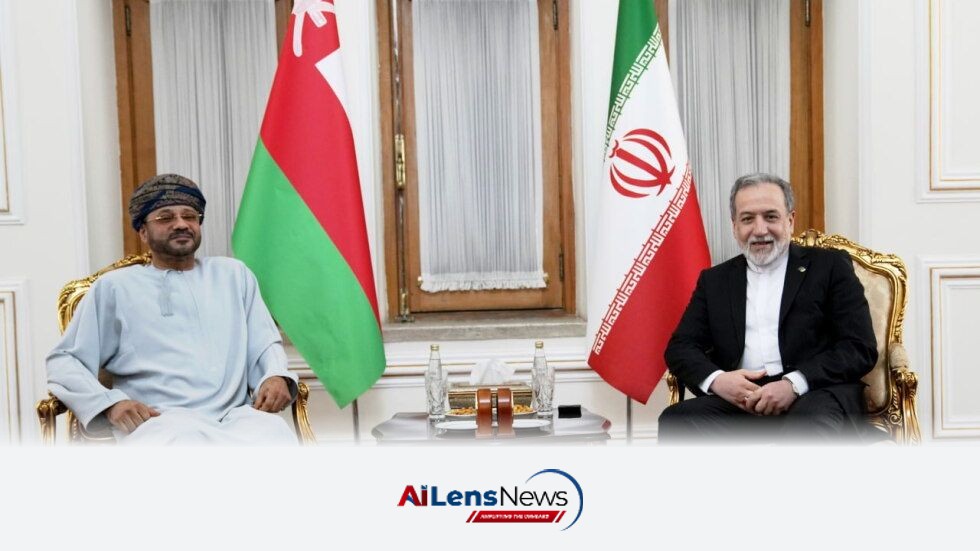



Top diplomats from Iran and Oman convene to strategize on managing ship traffic through the vital Strait of Hormuz, addressing regional security concerns.
Washington DC, United States Aug 26, 2026 ALN: In a significant diplomatic meeting, Iran and Oman have engaged in discussions aimed at establishing a phased approach to managing ship traffic through the strategically important Strait of Hormuz. This dialogue comes amid ongoing regional tensions and reflects both nations' commitment to ensuring maritime security in the area.
The meeting involved high-ranking officials from both countries, including Iran's Deputy Foreign Minister Abbas Araghchi and Oman's Foreign Minister Badr al-Busaidi. They emphasized the necessity of collaboration to enhance maritime safety and facilitate smoother navigation through the Strait, a crucial waterway for global oil shipments. The discussions focused on practical measures to streamline ship traffic, improve communication protocols, and enhance the response capabilities of both nations in the event of maritime incidents.
The Strait of Hormuz is a narrow passage that connects the Persian Gulf to the Gulf of Oman, and it is one of the world's most vital maritime chokepoints. Approximately 20% of the global oil supply passes through this strait, making its security a priority for regional and international stakeholders. The strait is bordered by several nations, including Iran to the north and Oman to the south, which creates a complex security environment influenced by national interests, historical grievances, and international maritime law.
Recent escalations in military activities and geopolitical tensions in the Middle East have raised concerns about potential disruptions to shipping routes. The ongoing tensions between the United States and Iran, along with the broader regional conflicts involving various state and non-state actors, have made the Strait of Hormuz a focal point for security concerns. The discussions between Iran and Oman are seen as a proactive measure to mitigate risks associated with these tensions, particularly in light of past incidents involving attacks on commercial vessels and military confrontations in the region.
Both nations have expressed a desire to continue their dialogue and work towards a comprehensive framework for maritime management. This initiative could serve as a model for other countries in the region, fostering a collaborative approach to security and stability. By establishing protocols for joint maritime operations and information sharing, Iran and Oman aim to create a more predictable and secure environment for shipping activities in the Strait of Hormuz.
Furthermore, the implications of these talks extend beyond the immediate concerns of maritime traffic management. They may also influence the broader geopolitical landscape by encouraging other regional players to engage in similar dialogues. The establishment of a cooperative framework could potentially reduce tensions and foster a sense of shared responsibility among nations that rely on the strait for their energy supplies.
As the situation in the Middle East evolves, the outcomes of these talks may play a crucial role in shaping future diplomatic relations and ensuring the uninterrupted flow of trade through one of the world's most critical maritime corridors. The success of this initiative could also bolster Oman’s role as a mediator in regional conflicts, enhancing its diplomatic standing and influence in the Gulf Cooperation Council (GCC) and beyond.
The meeting between Iran and Oman underscores the importance of diplomatic engagement in addressing regional security challenges. By working together, these nations aim to enhance maritime safety and contribute to the stability of the Strait of Hormuz, benefiting not only their own interests but also those of the global community. The proactive approach taken by both countries highlights the necessity of dialogue in a region often characterized by conflict and instability, signaling a potential shift towards more cooperative security arrangements in the future.
In conclusion, as global energy demands continue to rise and geopolitical tensions remain high, the efforts of Iran and Oman to manage the Strait of Hormuz effectively will be closely monitored by international observers. The success of their collaboration could pave the way for similar initiatives aimed at ensuring maritime security in other critical chokepoints around the world, ultimately contributing to a more stable and secure global trading environment.
To learn more about the latest developments in Culture & Society, stay updated with our exclusive reports and analyses on AILensNews.

