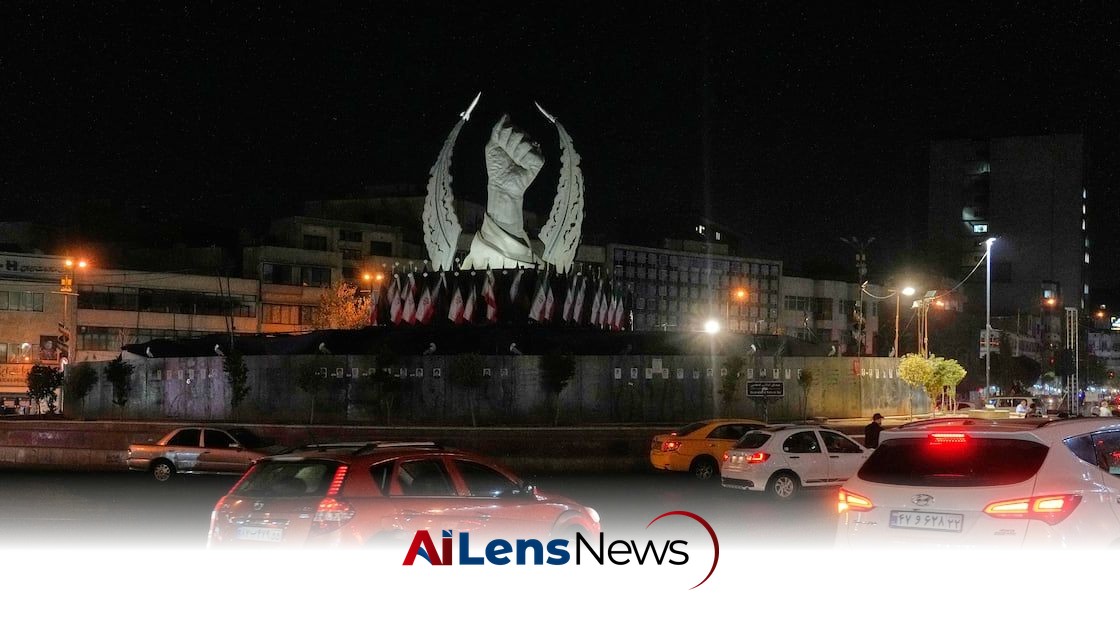


The US military has conducted its 10th consecutive night of airstrikes on Iran, following the death of an American service member and escalating attacks on US allies in the region.
London, United Kingdom Jul 21, 2026 ALN: The US military has intensified its military operations against Iran, marking the tenth consecutive night of airstrikes aimed at reopening the crucial Strait of Hormuz. This strategic waterway is vital for global energy supplies, as it is responsible for the transit of approximately one-fifth of the world's oil. The backdrop of this military escalation is the recent death of an American service member and a series of Iranian attacks on US allies, including Kuwait, Jordan, and Bahrain, the latter being the home of the US Navy's 5th Fleet.
US Central Command has publicly stated that these latest strikes are intended to degrade Iranian military capabilities that are reportedly being used to target commercial shipping in the Strait. This military action comes at a time of heightened tensions between the US and Iran, raising fears of a potential all-out war. Despite the ongoing military confrontations, there have been some diplomatic efforts, with Iran's interior minister visiting Pakistan for talks. Pakistan has historically played a role as a mediator in regional conflicts, and its involvement could be pivotal in de-escalating the situation.
The backdrop to the current military actions includes the collapse of an interim deal signed the previous month, which was intended to halt hostilities. The breakdown of this agreement has resulted in significant disruptions to shipping through the Strait of Hormuz, leading to a near-total stall in maritime traffic in this critical region. This disruption not only affects oil supplies but also has broader implications for global trade and energy markets.
As military engagements escalate, both the US and Iran have increasingly targeted civilian infrastructure, which has severe humanitarian implications. The conflict has led to a worsening of living conditions for millions of people in the region, as essential services and supplies become more difficult to access. The situation is further complicated by the involvement of Iran-backed groups, such as the Houthis in Yemen, who have threatened to disrupt shipping routes in the Red Sea, potentially exacerbating the crisis in global energy markets.
The recent military actions have had a direct impact on oil prices, which have surged in response to the escalating conflict. On Monday, benchmark Brent crude was trading above $88 per barrel, while the average price of regular petrol in the US climbed to $4 a gallon. Such price increases can have far-reaching effects on the global economy, as higher oil prices often lead to increased costs for consumers and businesses alike, potentially stifling economic growth.
In the wake of the ongoing strikes, the US military confirmed the deaths of two soldiers in Jordan due to Iranian attacks, with a third service member reported missing. Additionally, another American was killed in Iraq during a controlled detonation of a downed Iranian drone. These casualties underscore the human cost of the escalating conflict and highlight the risks faced by US military personnel in the region.
US President Donald Trump has made a statement on social media regarding the situation, emphasizing that Iran will face severe consequences for the deaths of American soldiers. He indicated plans to attend a ceremony at Dover Air Force Base for the return of at least one service member's remains, further illustrating the personal and national stakes involved in this conflict.
In terms of military strategy, the US has targeted various Iranian military assets, including command centers, air defense systems, coastal surveillance sites, maritime capabilities, missile and drone launch sites, and communications networks. The strikes have reportedly extended to significant infrastructure in Iran, including bridges and ports. The Iranian city of Tabriz, known for its underground missile bases operated by the Revolutionary Guard, was among the locations hit, according to reports from Iranian state media.
The situation in the Strait of Hormuz continues to evolve, with reports of attacks on vessels in the area. The UK Maritime Trade Operations center indicated that a second ship was attacked off the coast of the United Arab Emirates, following a previous incident where a vessel caught fire after being struck by a projectile near Oman. These incidents highlight the ongoing risks faced by commercial shipping in the region and the potential for further escalation of military actions.
In response to the Iranian attacks, Kuwait's air defenses intercepted incoming missiles, while Jordan reported shooting down three Iranian missiles, with no reported casualties or damage. Bahrain has condemned drone strikes targeting its air traffic systems, emphasizing the threats posed to civilian travel and safety. These developments indicate a widening of the conflict, as Iran's military actions extend beyond direct confrontations with the US to include attacks on US-allied nations.
As the conflict continues to unfold, the Houthis in Yemen have announced a maritime embargo against Saudi Arabia, promising to block shipping between the Red Sea and the Gulf of Aden. This move is in retaliation for an attack on Sanaa International Airport that they attribute to Saudi Arabia. With the Strait of Hormuz effectively blocked, Saudi Arabia has been relying on a pipeline to the Red Sea for oil exports, a situation that could further strain global oil supplies and lead to increased prices.
The Houthis' previous actions demonstrated their ability to disrupt shipping in the Red Sea, where they reportedly targeted over 100 vessels amid the ongoing Israel-Hamas conflict. The lack of immediate responses from Saudi Arabia to these threats raises questions about the kingdom's strategy and readiness to protect its maritime interests.
President Trump's administration has indicated a willingness to escalate military actions further, threatening to target Iran's power stations and bridges as part of a broader strategy to compel Tehran to relinquish its influence over the Strait of Hormuz. The implications of such actions could be profound, potentially leading to a wider regional conflict and further destabilization of the Middle East.
As the situation develops, the international community watches closely, aware that the stakes are high not only for the countries directly involved but also for global energy markets and international stability. The outcome of these military engagements and diplomatic efforts could shape the geopolitical landscape for years to come.
To learn more about the latest developments in Culture & Society, stay updated with our exclusive reports and analyses on AiLensNews.

