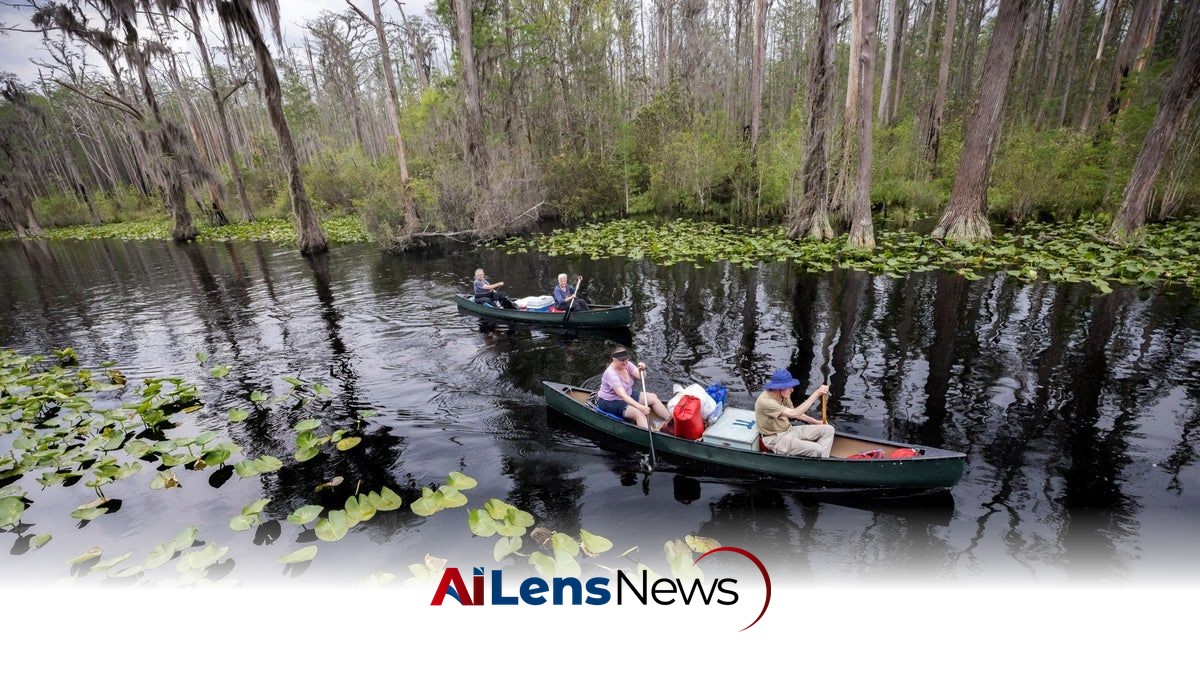


The Okefenokee Swamp in Georgia has been added to UNESCO's World Heritage List, recognized for its biodiversity and environmental significance.
London, United Kingdom Jul 25, 2026 ALN: The Okefenokee Swamp, a vast and ecologically significant wetland located in Georgia, has recently been added to the UNESCO World Heritage List. This designation was announced during a meeting of the United Nations Educational, Scientific and Cultural Organization (UNESCO) committee held in Busan, South Korea. The addition of the Okefenokee Swamp to the World Heritage List is a significant acknowledgment of its ecological importance and cultural heritage, alongside other notable sites such as a centuries-old porcelain center in eastern China and tidal flats in western South Korea.
The UNESCO meetings in Busan, which are set to continue through the following Wednesday, are reviewing a plethora of nominations from around the globe. Among the other sites under consideration are the D-Day landing beaches in France, Mount Olympus in Greece, and the ancient Japanese capitals of Asuka and Fujiwara. The diverse range of nominations reflects the rich tapestry of human history and natural beauty that UNESCO seeks to preserve.
The Okefenokee Swamp is recognized as one of the largest freshwater ecosystems in the world, spanning approximately 438,000 acres. This expansive wetland is characterized by its intricate network of swamps, marshes, and rivers, which together support an exceptional array of biodiversity. The swamp serves as the source for two major rivers, the Suwannee and the St. Marys, which flow into the Atlantic Ocean. The ecological significance of the Okefenokee is underscored by its largely undisturbed peat beds, which preserve an invaluable 5,000-year record of environmental change. This makes the swamp not only a vital natural habitat but also a critical source of information for scientists studying long-term environmental changes and climate patterns.
The swamp is home to a wide variety of plant and animal species, some of which are rare or endangered. For instance, it provides habitat for the American alligator, the Eastern indigo snake, and numerous species of birds, including the wood stork and the swallow-tailed kite. The diverse ecosystem also includes various types of vegetation, such as cypress trees, sawgrass, and carnivorous plants, all of which contribute to the swamp's unique ecological profile. The swamp's health is crucial not only for local wildlife but also for the broader environmental health of the southeastern United States.
Despite the recognition that comes with the World Heritage designation, there has been some local opposition to the listing. Concerns have been raised by residents and stakeholders who fear that the increased involvement of the United Nations in the management of the site may lead to restrictions on land use and local practices. The apprehension stems from a desire to maintain local control over the swamp's resources and ensure that the interests of the community are prioritized. As the Okefenokee Swamp transitions into this new phase of recognition, balancing the interests of conservation with those of local communities will be crucial.
Kim Bednarek, the executive director of the nonprofit Okefenokee Swamp Park, expressed a positive outlook on the designation. She stated, "We accept this inscription not as a finish line, but as a commitment to keep the Okefenokee wild, resilient, and thriving for generations to come." This sentiment reflects a broader understanding among conservationists that World Heritage status can serve as a platform for enhanced protection and awareness, rather than simply an imposition of external regulations.
In addition to the Okefenokee Swamp, the UNESCO committee also decided to expand the World Heritage listing of the South Korean "getbol" tidal flats. This expansion includes four additional coastal wetlands located in Seosan, Goheung, Muan, and Yeosu, which are situated in the western part of the country. The original designation of these tidal flats occurred in 2021 when four other sites were inscribed for their rich biodiversity and their critical role as stopover points for migratory birds along the East Asian-Australasian Flyway. This migratory route is one of the most important in the world, supporting millions of birds as they travel between their breeding and wintering grounds.
The South Korean Foreign Ministry has expressed that the expanded designation of the tidal flats reaffirms the importance of international cooperation in conserving the Yellow Sea ecosystem and highlights the need for collaborative efforts to protect migratory bird habitats. The recognition of these wetlands not only enhances their protection but also raises awareness about the ecological challenges they face, including habitat loss and climate change.
Another notable addition to the World Heritage List is the handicraft porcelain industry sites located in Jingdezhen, China. These sites are historically significant as they trace the evolution of handcrafted porcelain production in China from the 10th to the 19th centuries. Jingdezhen has long been celebrated as a leading center for fine porcelain, with its blue-and-white porcelain becoming a global symbol of Chinese craftsmanship. The UNESCO designation acknowledges the cultural and historical importance of these sites, which showcase the innovations and techniques that have contributed to the development of porcelain as a revered art form.
The inclusion of the Okefenokee Swamp and other sites on the UNESCO World Heritage List has far-reaching implications. For the Okefenokee, the designation can enhance conservation efforts and attract increased tourism, which can provide economic benefits to local communities. However, it also necessitates careful management to ensure that the interests of local residents are respected and that the ecological integrity of the swamp is maintained. The potential for increased tourism must be balanced with the need to protect the swamp's delicate ecosystems from over-visitation and environmental degradation.
On a broader scale, the recognition of these diverse sites highlights the global commitment to preserving cultural and natural heritage. It underscores the importance of collaborative efforts to protect ecosystems and cultural landscapes that are under threat from human activities and climate change. As the world grapples with these challenges, the designation of sites like the Okefenokee Swamp serves as a reminder of the need to balance conservation with community needs, ensuring that both nature and culture are preserved for future generations.
The World Heritage designation also emphasizes the role of education and awareness in conservation efforts. By drawing attention to the unique characteristics and significance of sites like the Okefenokee Swamp, UNESCO helps foster a greater understanding of the need for environmental stewardship. This can lead to increased public support for conservation initiatives and encourage responsible tourism practices that benefit both the environment and local economies.
Furthermore, the designation may facilitate access to international funding and resources aimed at conservation and research. This can be particularly beneficial for local organizations and governments working to protect the swamp and its biodiversity. Collaborative projects with international partners can enhance scientific research and lead to innovative conservation strategies that address the specific challenges faced by the Okefenokee Swamp.
In conclusion, the addition of the Okefenokee Swamp to the UNESCO World Heritage List marks a significant milestone in the recognition of its ecological and cultural value. As stakeholders navigate the complexities of conservation, community interests, and tourism, the focus must remain on preserving this unique ecosystem for future generations while fostering a sustainable relationship between the swamp and the people who live in its vicinity. The global acknowledgment of the Okefenokee Swamp serves as a powerful reminder of the interconnectedness of nature and culture, and the shared responsibility to protect our planet's heritage.
To learn more about the latest developments in Culture & Society, stay updated with our exclusive reports and analyses on AiLensNews.

