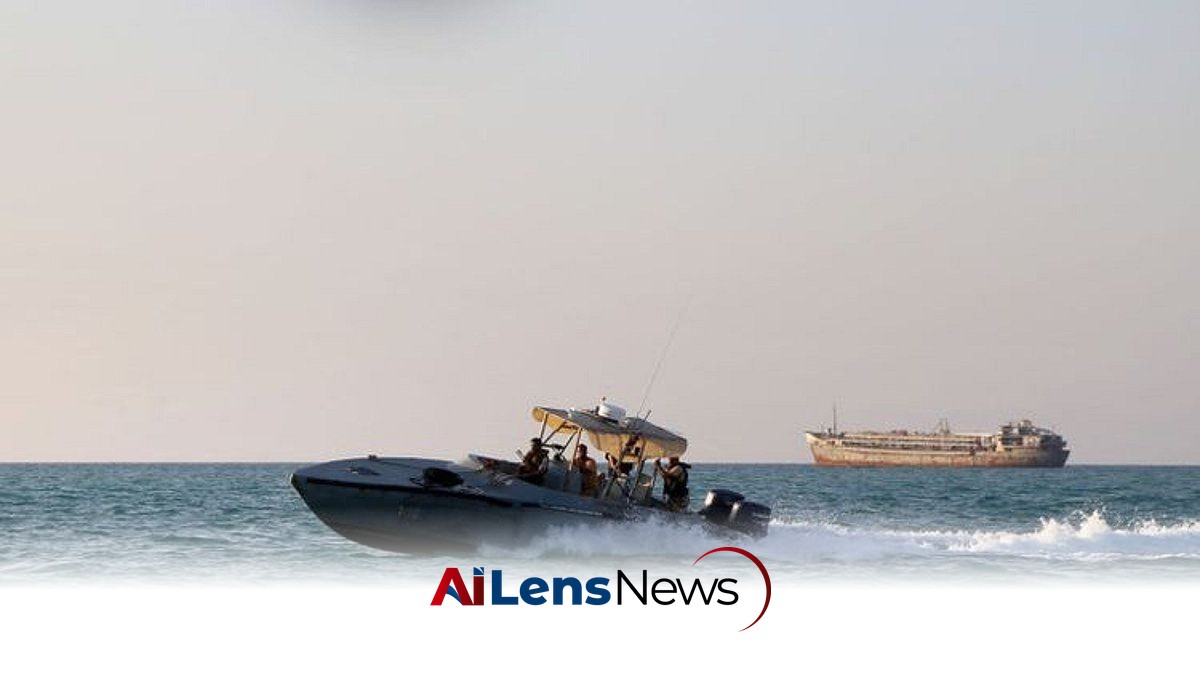


The ongoing conflict in Yemen intensifies as Houthi forces threaten the Bab Al-Mandab Strait, raising concerns over global oil supply disruptions.
Abu Dhabi, United Arab Emirates Jul 17, 2026 ALN: The ongoing conflict in Yemen has escalated dramatically, with the Houthis issuing threats against the Bab Al-Mandab Strait, a crucial maritime chokepoint for global oil shipments. This situation not only has dire implications for Yemen itself but also poses significant risks to the stability of global oil markets, given the strategic importance of this waterway.
Yemen has been embroiled in a civil war since 2014, when the Houthis, a group primarily composed of Zaidi Shia Muslims, seized control of the capital, Sana'a, and later expanded their influence across large parts of the country. The conflict has since drawn in regional powers, with Saudi Arabia leading a coalition supporting the internationally recognized government of Yemen. The war has led to widespread destruction of infrastructure, a devastating humanitarian crisis, and an economy on the brink of collapse.
The conflict's roots can be traced back to a combination of political, economic, and social factors that have plagued Yemen for decades. The Arab Spring in 2011 sparked protests against then-President Ali Abdullah Saleh, leading to his eventual ousting. However, the transition to a new government was fraught with challenges, including corruption, economic stagnation, and the marginalization of various political factions. The Houthis, who felt disenfranchised, capitalized on these grievances, leading to their rise to power and the subsequent civil war.
Recent reports indicate that limited crude oil supplies have severely impacted electricity generation in Yemen. The national grid, already weakened by years of conflict, is unable to meet the demand for electricity, particularly during the peak summer months when temperatures soar. This has resulted in prolonged blackouts that have dire consequences for essential services. Hospitals, water pumping stations, schools, telecommunications, and businesses are all struggling to operate under these conditions. Many residents, unable to endure the extreme heat indoors, have been forced to sleep outdoors, raising concerns about health and safety.
In response to the unreliable electricity supply, many Yemenis have turned to alternative energy sources. Rooftop solar panels, often paired with battery storage systems, have become increasingly popular as households seek to mitigate the impact of blackouts. However, the rapid adoption of these technologies has not come without risks. Aid organizations and medical professionals have raised alarms about the dangers associated with improperly installed batteries. There have been reports of battery explosions and electrical fires, particularly in the Taiz governorate, where burn units are treating an increasing number of patients suffering from injuries linked to these incidents.
Compounding the energy crisis, soaring fuel prices have led some motorists to convert their gasoline-powered vehicles to run on liquefied petroleum gas (LPG), which is typically used for cooking. This trend has introduced additional hazards, as the conversion processes can be unsafe and lead to fire and explosion risks. Local authorities and humanitarian organizations have expressed concern over these practices, highlighting the need for better safety education and oversight in the use of alternative energy sources.
The Bab Al-Mandab Strait is a vital maritime corridor that connects the Red Sea to the Gulf of Aden and is a key transit point for oil shipments from the Persian Gulf to Europe and North America. Energy analysts have pointed out that the Houthis have demonstrated an alarming capability to threaten international shipping through the use of drones, anti-ship missiles, explosive boats, and naval mines. These tactics have led to a significant increase in shipping risks in the region.
Since late 2023, there has been a marked rise in attacks on commercial vessels in the Red Sea, prompting many shipping companies to avoid the Suez Canal route altogether. This shift has resulted in increased transport costs globally, as vessels are forced to take longer, alternative routes to ensure safety. The potential for a renewed campaign targeting Bab Al-Mandab, especially in the context of ongoing tensions in the Strait of Hormuz, could further tighten global energy supplies and drive up oil prices, which have already been volatile.
While major oil-producing countries maintain strategic reserves and alternative export routes, the importance of both Bab Al-Mandab and Hormuz cannot be overstated. The disruption of shipping through either chokepoint would have far-reaching consequences for international energy security, potentially leading to higher prices for consumers and businesses worldwide. The implications of this are profound, as increased oil prices can contribute to inflationary pressures in economies already grappling with post-pandemic recovery challenges.
The impact of rising oil prices extends beyond just the immediate economic implications. Higher fuel costs can lead to increased transportation expenses, which in turn raise the prices of goods and services. This can disproportionately affect lower-income households, exacerbating existing inequalities and hardships. Furthermore, countries that are heavily reliant on oil imports may find their trade balances negatively impacted, leading to broader economic instability.
The future of the conflict in Yemen and its impact on global oil markets hinges on several factors, particularly whether the Houthis will follow through on their threats to escalate attacks in the Red Sea. Security experts suggest that the situation could deteriorate further if the renewed fighting inside Yemen escalates into another prolonged civil war. Such a scenario would not only exacerbate the humanitarian crisis in Yemen but could also destabilize the broader region.
The United Nations has repeatedly warned that Yemen remains the world's largest humanitarian crisis, with millions of people dependent on food aid and basic services. The ongoing conflict has led to widespread famine, disease outbreaks, and a collapse of the healthcare system. The international community has called for a ceasefire and negotiations to bring an end to the violence, but progress has been slow and fraught with challenges.
As the situation evolves, the potential for increased hostilities in the Red Sea could prompt a re-evaluation of maritime security strategies by nations reliant on oil imports. Shipping companies may need to invest in enhanced security measures, and governments could be compelled to engage more actively in diplomatic efforts aimed at stabilizing the region. The implications of the Houthis' actions will be closely monitored by energy markets, policymakers, and humanitarian organizations alike, as they navigate the complexities of a conflict that continues to have a profound impact on Yemen and the world.
Furthermore, the international community's response to the escalating conflict will be crucial in shaping the future trajectory of both Yemen and global oil markets. Increased diplomatic pressure on the Houthis, combined with humanitarian assistance for the Yemeni population, may help to alleviate some of the immediate suffering while addressing the underlying causes of the conflict. However, achieving a lasting peace will require a commitment from all parties involved, including regional powers and international stakeholders, to engage in meaningful dialogue and reconciliation efforts.
In conclusion, the situation in Yemen remains precarious, with the potential for further escalation posing significant risks not only to the Yemeni people but also to global energy security. The Bab Al-Mandab Strait, as a critical maritime chokepoint, underscores the interconnectedness of regional conflicts and global markets, highlighting the need for comprehensive strategies that address both immediate humanitarian needs and long-term political solutions.
To learn more about the latest developments in Culture & Society, stay updated with our exclusive reports and analyses on AiLensNews.

