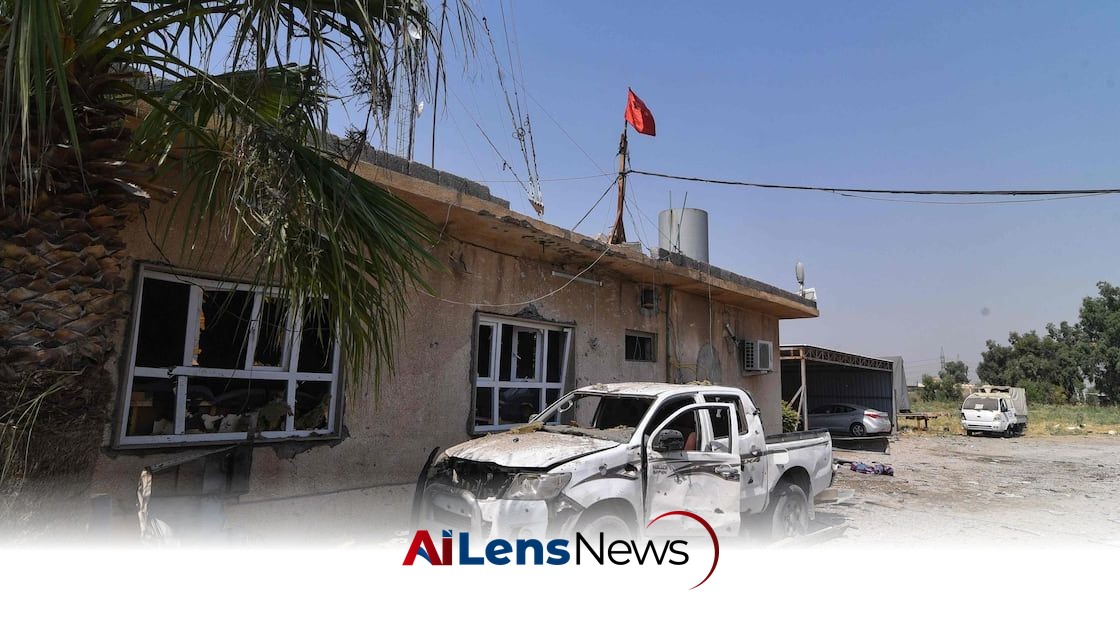


The recent US-Saudi strikes on Iran-affiliated militias in Iraq highlight the escalating tensions in the ongoing US-Iran war, revealing new fronts of conflict.
Abu Dhabi, United Arab Emirates Jul 31, 2026 ALN: The ongoing conflict involving the United States, Israel, and Iran has escalated significantly over the past five months, with repercussions that extend across the Middle East. The war, which began with a series of military actions and retaliatory strikes, has led to a complex and multifaceted situation that has drawn in various regional players, including Saudi Arabia, whose involvement has become increasingly pronounced.
The initial stages of the conflict were characterized by a series of airstrikes and missile attacks, with both the US and Israel targeting Iranian military assets and proxies. This marked a shift in the strategic landscape of the region, as the US and Israel sought to counter what they perceive as an expanding Iranian influence across the Middle East. The conflict's scope has widened, affecting neighboring countries such as Bahrain, Kuwait, Qatar, the United Arab Emirates, and Jordan. These nations have faced threats from Iranian missiles and drones, highlighting the regional implications of the war. The Strait of Hormuz, a vital shipping route for global oil supply, has also become a flashpoint, with military actions and diplomatic efforts failing to restore safe passage for vessels.
Saudi Arabia, in particular, has found itself at the forefront of this escalating conflict. The country has faced threats from multiple fronts, with Iranian-backed groups in Yemen and Iraq launching attacks that have directly targeted Saudi infrastructure. The situation in Yemen has been particularly volatile, with a resurgence of hostilities following a period of relative calm. The Houthis, who are aligned with Iran, have accused Riyadh of aggression, leading to a series of retaliatory strikes against Saudi shipping and critical oil facilities. The recent attacks on Sanaa airport and subsequent Houthi claims of hitting oil sites in Jizan and Yanbu mark a significant escalation, as these represent some of the first direct strikes on Saudi oil infrastructure since 2022.
In Iraq, the situation has similarly deteriorated, with Iranian-backed militias accused of launching drone strikes against Saudi targets. This has culminated in Saudi Arabia's decision to join the US in direct military strikes against these militias, marking a significant shift in Riyadh's military posture. The Saudi government has framed these actions as a legitimate exercise of its right to self-defense under the United Nations Charter, reflecting the broader narrative of self-defense that many nations invoke in the face of external threats. This legal justification is significant, as it aligns with international norms regarding state sovereignty and the right to defend against aggression.
The implications of Saudi Arabia's military escalation are profound, not only for the Kingdom itself but for the entire region. The partnership between the US and Saudi Arabia in this conflict underscores the long-standing alliance between the two nations, which has been a cornerstone of US foreign policy in the Middle East for decades. However, this alliance has also drawn criticism, particularly regarding the humanitarian crisis in Yemen, where the Saudi-led coalition's actions have faced scrutiny from various human rights organizations. The complex interplay of military strategy and humanitarian concerns continues to challenge the legitimacy of Saudi actions in the eyes of the international community.
Furthermore, the escalation of hostilities raises the specter of a broader regional conflict that could engulf multiple nations. The involvement of Iran-backed militias in Iraq and the Houthis in Yemen illustrates the interconnected nature of these conflicts, where actions in one theater can have immediate repercussions in another. The potential for miscalculation or unintended escalation is high, particularly given the complex web of alliances and enmities in the region. The historical grievances and rivalries that characterize Middle Eastern geopolitics further complicate the situation, as nations navigate their interests amidst a backdrop of longstanding tensions.
In the context of the US-Iran war, Saudi Arabia's actions represent a significant shift in the dynamics of the conflict. As the US continues to face challenges in containing Iranian influence across the region, Riyadh's willingness to engage directly in military operations against Iranian proxies signals a new phase in the conflict. The potential for a more aggressive Saudi military posture could lead to increased tensions and a cycle of retaliation that may be difficult to contain. Analysts warn that this escalation could provoke Iran to respond in kind, potentially leading to a wider military confrontation.
In discussions surrounding these developments, experts such as Douglas Silliman, former US ambassador to Iraq, and Hasan Alhasan, senior fellow for Middle East Policy at the International Institute for Strategic Studies, emphasize the need for a nuanced understanding of the regional dynamics at play. The ongoing conflict is not merely a series of isolated incidents but rather part of a broader struggle for influence and power in the Middle East. Elizabeth Dent, a senior fellow at the Washington Institute, adds that the implications of this conflict extend beyond military actions, as the political and economic ramifications could reshape the region's future. The potential for economic disruption, particularly in oil markets, could have significant global repercussions, given the central role that Middle Eastern oil plays in the world economy.
As the situation continues to unfold, the international community watches closely, aware that the stakes are high. The potential for a wider conflict involving regional powers and their allies could have catastrophic consequences, not only for the countries directly involved but for global stability as well. The need for diplomatic solutions and dialogue is more pressing than ever, as the region stands on the precipice of further escalation. The challenges of diplomacy are compounded by the lack of trust among the involved parties, as well as the diverse interests of external actors, including Russia and China, who may seek to exploit the situation for their own geopolitical gains.
In conclusion, the US-Saudi strikes on Iran-backed militias represent a significant development in the ongoing conflict that has far-reaching implications. The interconnected nature of the various conflicts in the region, coupled with the historical alliances and enmities, creates a complex landscape that requires careful navigation. As the situation evolves, the potential for miscalculation and unintended consequences looms large, underscoring the urgent need for diplomatic efforts to de-escalate tensions and seek a sustainable resolution to the myriad challenges facing the Middle East. The path forward will require not only military strategies but also a commitment to dialogue and reconciliation among the various factions involved in this protracted conflict.
To learn more about the latest developments in Culture & Society, stay updated with our exclusive reports and analyses on AiLensNews.

