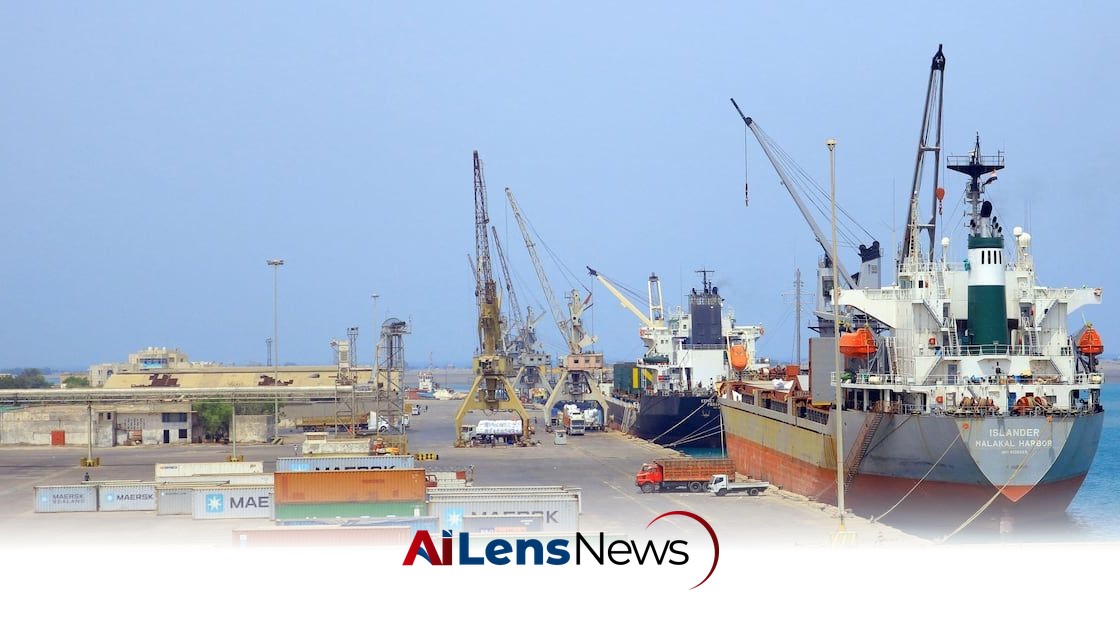


The Saudi-led coalition launched airstrikes on Houthi positions in Hodeidah following an attack on a Saudi vessel in the Red Sea, escalating regional tensions.
Abu Dhabi, United Arab Emirates Jul 25, 2026 ALN: The recent airstrikes conducted by the Saudi-led coalition in Hodeidah represent a significant escalation in the ongoing conflict between Saudi Arabia and the Iran-backed Houthi movement. This latest round of hostilities comes in the wake of a series of attacks on commercial shipping in the Red Sea, which have heightened tensions in a region that is crucial for global trade and energy supplies.
The Saudi-led coalition announced on Friday that it had carried out airstrikes targeting Houthi positions in Hodeidah, a strategic port city on Yemen's western coast. This operation was described as a "proportionate military response" to a Houthi attack on a Saudi-flagged commercial vessel earlier that day. The coalition's spokesman, Major General Turki Al Maliki, stated that the strikes were aimed at "legitimate military targets" associated with what they referred to as the "Houthi terrorist militia." This characterization of the Houthis as a terrorist group is a recurring theme in the rhetoric of the Saudi-led coalition, which has framed its military actions as necessary to protect both its national interests and international maritime security.
In response to the coalition's airstrikes, a Houthi military official reported that Saudi forces had specifically targeted the port of Hodeidah. Ameen Hayyan, the director of the spokesperson's office for the Houthi military, warned of potential retaliation, claiming that the coalition's actions would lead to severe consequences. He characterized the airstrikes as a Saudi aggression that opened the "gates of divine hell upon themselves," a phrase that reflects the intense rhetoric often employed by both sides in this conflict. The Houthis have consistently positioned themselves as defenders of Yemen against foreign intervention, and their responses to coalition strikes often emphasize a narrative of resistance against what they perceive as external aggression.
The incident that triggered the coalition's airstrikes involved an attack on the NCC MASA, a Saudi-flagged commercial vessel, while it was sailing in the Red Sea. Although the ship sustained minor damage to its hull, it was able to continue its voyage after inspections confirmed the safety of both the vessel and its crew. The General Authority for Transport in Saudi Arabia condemned the attack, labeling it a violation of international laws and norms that are intended to ensure the safety of merchant vessels and their crews. This condemnation highlights the broader implications of such attacks on maritime security, which is vital for international trade. The Red Sea is a crucial maritime route, with a significant portion of global oil shipments passing through it, and any disruption can have cascading effects on global markets.
In addition to the attack on the NCC MASA, Houthi media reported that a series of airstrikes targeted facilities belonging to the Telecommunications Corporation in Hodeidah. This indicates that the conflict is not only limited to direct military engagements but also includes strikes on infrastructure that is critical for civilian life and communication within Yemen. The targeting of civilian infrastructure raises serious concerns about the humanitarian impact of the conflict, as the ongoing war has already led to widespread suffering among the Yemeni population, with millions facing food insecurity, lack of access to healthcare, and displacement from their homes.
The backdrop to these events is a significant increase in tensions in the Red Sea region, where the Houthis have threatened shipping linked to Saudi Arabia. The Houthis announced a "maritime embargo" against Saudi Arabia, which they justified as a response to what they describe as a Saudi blockade of Yemen. This embargo raises concerns about further destabilization of the region and the potential for increased chaos in Gulf trade routes, particularly since the Red Sea is a key artery for oil and goods heading to and from Europe, Asia, and the Americas. The escalation of hostilities in this vital region could prompt international shipping companies to reconsider their routes, which may lead to increased shipping costs and insurance premiums, further impacting global trade dynamics.
Historically, the conflict in Yemen began in 2014 when the Houthis seized control of the capital, Sanaa, prompting a military intervention by a Saudi-led coalition in 2015 at the request of the internationally recognized Yemeni government. This intervention has led to a protracted and devastating conflict that has resulted in a humanitarian crisis, with millions of Yemenis facing food insecurity, lack of access to healthcare, and displacement from their homes. The situation has drawn international attention and condemnation, with various human rights organizations highlighting the dire conditions faced by civilians in Yemen due to the ongoing war, including the use of starvation as a weapon of war and attacks on medical facilities.
On July 23, another Saudi-owned tanker, the Encelia, was attacked in the Red Sea, causing a fire on the ship's bow. Fortunately, all crew members were reported safe, but the incident further underscores the volatility of maritime security in the region. The repeated attacks on commercial vessels have raised alarms among international shipping companies and have prompted calls for enhanced security measures in the Red Sea. The international community has expressed concern that continued aggression could lead to broader regional conflicts, drawing in other nations and potentially escalating into a larger military confrontation.
In recent months, the Houthis have also claimed to have confronted Saudi "warplanes" that were allegedly attempting to prevent an Iranian civilian aircraft from landing at an airport in Yemen. This incident, along with the ongoing military actions, illustrates the complex web of alliances and hostilities that characterize the current situation in Yemen and the broader Middle East. The involvement of Iran, which provides support to the Houthis, adds another layer of complexity to the conflict, as it intertwines with the larger geopolitical struggle between Iran and Saudi Arabia for influence in the region.
Despite a fragile truce that took effect in April 2022, following a series of Houthi attacks on Saudi infrastructure, the recent escalation suggests that peace remains elusive. The truce had offered a glimmer of hope for a resolution to the conflict, but the renewed hostilities indicate that both sides remain entrenched in their positions, with little indication of a willingness to compromise. The breakdown of the truce highlights the challenges of negotiating peace in a conflict marked by deep-seated grievances and a lack of trust between the parties involved.
The implications of these developments extend beyond the immediate conflict in Yemen. The Red Sea is a vital shipping lane, and any disruption to maritime traffic can have far-reaching consequences for global trade and energy markets. Moreover, the ongoing tensions reflect the broader geopolitical struggle between Iran and Saudi Arabia, with the Houthis serving as a proxy for Iranian influence in the region. As such, the situation in Yemen is not only a humanitarian crisis but also a flashpoint in the wider conflict between regional powers. The potential for escalation raises questions about the role of international actors in mediating the conflict and the effectiveness of existing diplomatic efforts.
As the situation evolves, it will be crucial for the international community to monitor developments closely and consider diplomatic avenues to de-escalate tensions. The potential for further conflict in the Red Sea poses risks not only to regional stability but also to global economic interests, making it imperative for all parties involved to seek a peaceful resolution to the ongoing crisis in Yemen. The international community must remain engaged in efforts to facilitate dialogue and promote a lasting peace, as the consequences of inaction could exacerbate an already dire humanitarian situation and lead to broader regional instability.
To learn more about the latest developments in Culture & Society, stay updated with our exclusive reports and analyses on AiLensNews.

