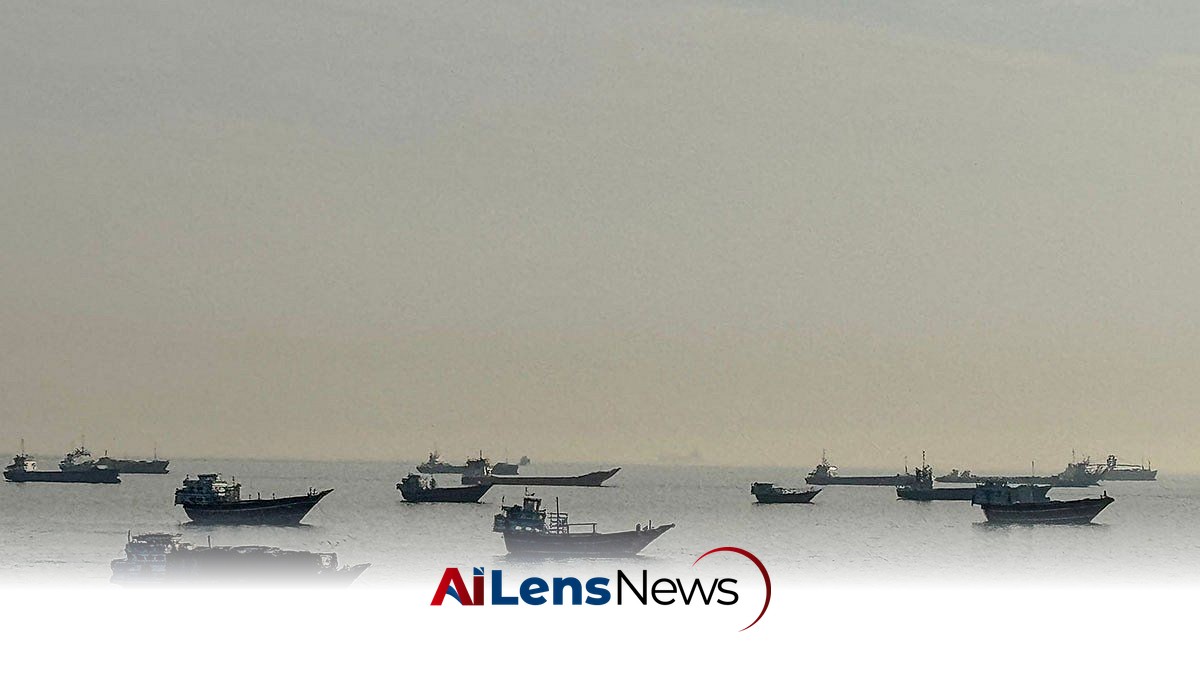


The US and UK are set to meet to discuss forming a coalition to protect shipping in the Strait of Hormuz, as tensions with Iran escalate.
Abu Dhabi, United Arab Emirates Jul 25, 2026 ALN: The Strait of Hormuz, a vital maritime chokepoint, has long been a focal point for geopolitical tensions, particularly involving Iran and Western nations. Approximately 20% of the world’s oil passes through this narrow waterway, making it a critical artery for global trade and energy supplies. The strait, which connects the Persian Gulf to the Gulf of Oman, is not only significant for oil transport but also serves as a key passage for liquefied natural gas (LNG) and other goods. Given its importance, the security of shipping routes in this region has become a pressing concern for many countries, especially in light of recent developments that indicate a rising concern over the safety of commercial shipping.
In response to these concerns, the United States and the United Kingdom are reportedly organizing a high-level meeting in London aimed at forming an international coalition dedicated to protecting commercial shipping in the Strait of Hormuz. According to a report by Axios, this meeting is expected to take place next week and will involve defense ministers and military leaders from various countries, including high-ranking officials from the U.S. military such as Defense Secretary Pete Hegseth and Joint Chiefs Chairman Gen. Dan Caine. The gathering aims to solidify a unified approach to maritime security in a region that has seen increasing hostilities and threats to commercial vessels.
While the specific date and itinerary for the meeting are still under discussion and have not been finalized, the initiative reflects a growing urgency among Western nations to address the escalating tensions in the region. A White House official has confirmed the joint effort, underscoring the seriousness with which the U.S. is approaching the situation. However, the British Embassy in Washington has refrained from commenting on the matter, which may indicate the sensitive nature of the discussions underway. The lack of public commentary could suggest that the involved nations are still navigating complex diplomatic waters, balancing their national interests with the need for collective security.
The backdrop to this meeting includes a series of incidents in recent months that have heightened tensions between Iran and Western powers, particularly the United States. The U.S. has been actively seeking to bolster maritime security in the region following a series of attacks on commercial vessels, which have been attributed to Iranian forces or their proxies. These incidents have raised alarms about the safety of shipping routes and the potential for conflict in a region already fraught with volatility. Notably, the attacks have targeted vessels of various nationalities, prompting concerns from multiple countries about the implications for international shipping and trade.
According to Axios, the planned coalition is part of a broader strategy by the U.S. to create a framework for international cooperation in safeguarding the Strait of Hormuz. This initiative builds on discussions that the UK and France have been having with various countries regarding the establishment of a coalition to enhance maritime security. The U.S. is reportedly encouraging its allies to contribute resources such as de-mining vessels, naval ships, and drones to bolster the coalition's capabilities in the region. Such contributions would not only enhance the operational capacity of the coalition but also signal a united front against threats to maritime security.
A European diplomat involved in the discussions indicated that this initiative is also connected to a U.S. exit strategy from its ongoing conflict with Iran. The diplomat noted, "The Americans are looking for a way out and they want our help," suggesting that the U.S. may be seeking to reduce its direct involvement in the region while still maintaining a level of security and oversight through allied cooperation. This perspective highlights the complexities of U.S. foreign policy in the Middle East, where the balance between military engagement and diplomatic efforts is often tenuous.
These developments come in the wake of heightened rhetoric from U.S. President Donald Trump, who has threatened to escalate military actions against Iran. Trump warned that the U.S. would target one Iranian bridge or power plant for every strike directed at commercial vessels navigating the Strait of Hormuz. This statement underscores the precarious nature of the situation and the potential for rapid escalation if tensions continue to rise. The President's comments reflect a broader strategy of deterrence, aiming to dissuade Iran from further aggressive actions while also signaling to allies and adversaries alike that the U.S. remains committed to protecting its interests.
The implications of these developments are significant, not only for regional stability but also for global markets, particularly oil prices. Any disruption in the Strait of Hormuz could lead to increased oil prices, affecting economies worldwide. The global economy is heavily reliant on the uninterrupted flow of oil, and any significant disruption could trigger a chain reaction affecting everything from transportation costs to consumer prices. Furthermore, the establishment of an international coalition to protect shipping routes could lead to a more militarized presence in the region, which might provoke further retaliatory actions from Iran, escalating tensions even further.
Iran has consistently warned against any escalation of military presence in the region, viewing such actions as provocative and a direct threat to its sovereignty. The Iranian government has reiterated its commitment to defending its territorial waters and has expressed concerns that increased military activity by Western nations could lead to unintended conflicts. This warning is indicative of Iran's broader strategy of asserting its influence in the region, which includes not only military posturing but also diplomatic efforts to rally support from other nations that may share its concerns about U.S. policies.
The situation in the Strait of Hormuz remains fluid, with the potential for both diplomatic solutions and military confrontations. The upcoming meeting in London could serve as a pivotal moment in shaping the future of maritime security in the region. As nations gather to discuss their strategies and commitments, the stakes are high, and the outcomes will likely influence not only the geopolitical landscape of the Middle East but also the broader dynamics of international relations. The formation of a coalition could either stabilize the region or exacerbate existing tensions, depending on how it is perceived by Iran and other regional players.
In conclusion, the tensions surrounding the Strait of Hormuz are a reflection of the complex interplay between national interests, regional security, and global economic stability. The efforts to form an international coalition to protect commercial shipping are indicative of the urgent need for collaborative approaches to address these challenges. However, the path forward is fraught with risks, and the potential for escalation remains a significant concern for all parties involved. As the situation evolves, it will require careful diplomacy and strategic foresight to navigate the myriad challenges that lie ahead.
To learn more about the latest developments in Culture & Society, stay updated with our exclusive reports and analyses on AiLensNews.

