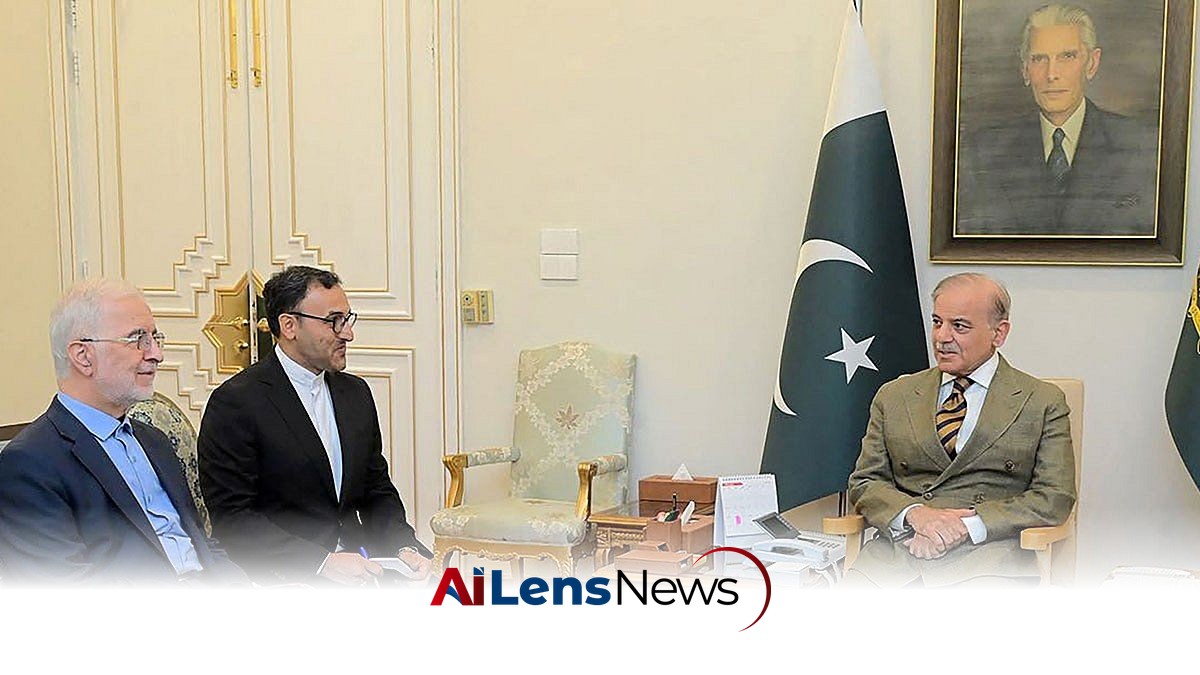


As the US-Iran conflict intensifies, both nations maintain diplomatic channels open despite rising military pressures and economic repercussions.
Abu Dhabi, United Arab Emirates Jul 21, 2026 ALN:
The ongoing conflict between the United States and Iran has escalated significantly in recent months, resulting in a complex web of military engagements and geopolitical tensions. These developments are not only affecting the immediate combatants but are also creating far-reaching economic and strategic consequences that resonate across the globe.
The economic implications of this conflict are particularly pronounced in the energy sector. Brent crude oil prices have surged towards $90 a barrel, a significant increase that reflects not only the immediate disruptions caused by military actions but also the broader fears of instability in the region. The Strait of Hormuz, a critical chokepoint for global oil shipments, has become a focal point for these tensions. The potential for further disruptions in this vital shipping lane has led to increased anxiety among consumers and businesses alike, as higher fuel prices become increasingly visible at the pump.
Moreover, energy markets are reacting to the possibility that the conflict could spill over into other areas, particularly if the Houthi rebels in Yemen follow through on their threats against Saudi Arabian ports. Such actions could disrupt not just oil supplies but also the broader shipping routes that facilitate international trade, further exacerbating economic instability.
For the United States, the human cost of this conflict is also mounting. The Pentagon has reported that nearly 100 U.S. service members have sustained injuries since hostilities resumed on July 7. Additionally, recent Iranian attacks have resulted in the deaths of three American soldiers, raising serious questions in Washington regarding military strategy and the overarching objectives of U.S. involvement in the region. The increasing number of casualties has led to intensified scrutiny from lawmakers and military analysts alike, who are calling for a clearer path to success in what has become a protracted and costly engagement.
Former President Donald Trump’s remarks that Iran would face severe repercussions for the loss of American lives underscore the mounting pressure on U.S. leadership. His statement reflects not only a commitment to retaliate but also the urgent need to address the growing concerns among the American public and political leaders about the direction of U.S. foreign policy in the Middle East.
On the Iranian side, the costs of the conflict are also escalating. The Iranian military has faced successive rounds of U.S. airstrikes targeting key military infrastructure, including command centers, missile and drone launch sites, and air defense systems. While Tehran has demonstrated its capability to strike regional targets, the sustained military pressure from the U.S. has put significant strain on Iran's military resources and domestic stability. The Iranian leadership must navigate a complex landscape where they seek to maintain a posture of strength while also managing the internal pressures that arise from prolonged conflict.
Given the high stakes for both nations, neither side can claim a decisive strategic advantage at this juncture. The military engagements have led to a stalemate, with both sides absorbing significant losses without achieving their respective objectives. This precarious balance may explain why diplomatic channels remain open, despite the escalating military operations. Both Washington and Tehran appear to recognize the importance of maintaining some level of dialogue, particularly as the potential for miscalculation looms large.
One of the most concerning aspects of the current phase of the U.S.-Iran conflict is the increasing number of fronts involved in the hostilities. Unlike earlier stages of the conflict, which were largely confined to the Strait of Hormuz, the current situation has expanded to include a wider array of military actions. This includes attacks on shipping off the coast of Oman, missile and drone strikes targeting countries that host U.S. forces, and ongoing threats against critical infrastructure in Saudi Arabia.
The broadening of the conflict raises the stakes significantly, as each new front increases the risk of miscalculation. A single attack that results in large-scale civilian casualties or a significant disruption to Saudi oil exports could drastically alter the political calculations in both Washington and Tehran. Such events could prompt a rapid escalation of military responses, potentially spiraling into a wider regional conflict.
The recent attacks on Kuwaiti desalination plants serve as a stark reminder of how quickly military operations can impact essential civilian services. In Kuwait, approximately 90 percent of drinking water is produced through desalination, making these facilities critical not only for military objectives but also for the survival and well-being of the civilian population. Strikes on such infrastructure highlight the interconnectedness of military actions and civilian life, emphasizing the profound implications of warfare on everyday citizens.
Additionally, any sustained disruption to shipping in the Red Sea could have far-reaching economic consequences, further destabilizing a region that is already grappling with the ramifications of conflict. The potential for broader economic fallout from the conflict underscores the urgency for mediators to step in and seek a resolution before local incidents trigger a wider crisis.
As the conflict continues to evolve, the role of international mediators becomes increasingly crucial. The more geographically dispersed the conflict becomes, the more challenging it will be for external actors to prevent local incidents from escalating into a larger regional war. The international community must remain vigilant and proactive in seeking avenues for diplomacy, as the stakes for both the U.S. and Iran, as well as for regional allies and global stakeholders, are incredibly high.
In conclusion, the ongoing U.S.-Iran conflict is characterized by a complex interplay of military engagement, economic ramifications, and the ever-present risk of escalation. As both sides continue to navigate this challenging landscape, the maintenance of diplomatic channels will be essential in mitigating the risks of further conflict and seeking a resolution that addresses the underlying issues at play. The implications of this conflict extend far beyond the immediate battlefield, affecting global energy markets, regional stability, and the lives of countless civilians caught in the crossfire.
To learn more about the latest developments in Culture & Society, stay updated with our exclusive reports and analyses on AiLensNews.

