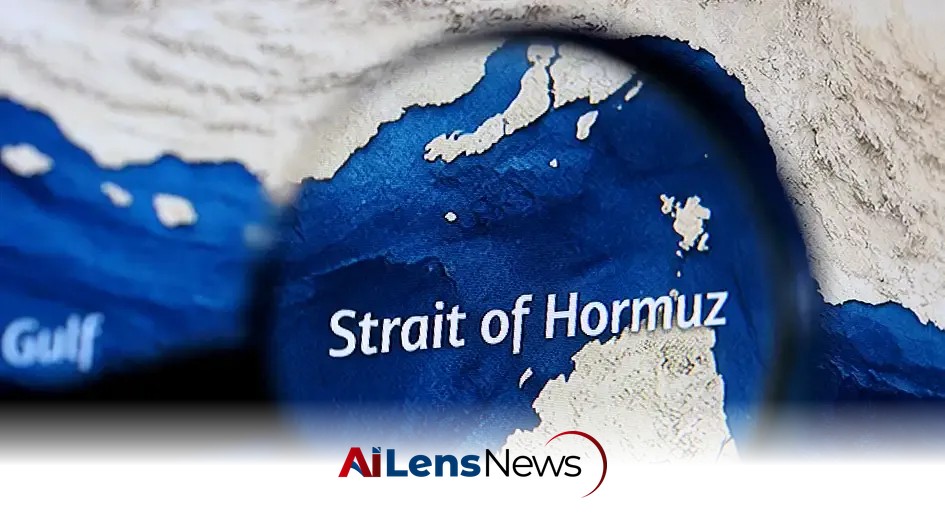


The ongoing US-Israel-Iran conflict has significantly impacted maritime traffic in the Strait of Hormuz, prompting countries to seek alternative routes.
Abu Dhabi, United Arab Emirates Jul 15, 2026 ALN: The Strait of Hormuz, a crucial maritime passage for global oil shipments, has recently come under scrutiny due to escalating tensions in the region, particularly following the US-Israel-Iran conflict. This strategic waterway, which connects the Persian Gulf to the Arabian Sea, is vital for the transport of approximately 20% of the world's oil supply. The Strait of Hormuz is only about 21 miles wide at its narrowest point, making it one of the most strategically significant chokepoints in the world. Its importance cannot be overstated, as it serves as a conduit for oil exports from major producers such as Saudi Arabia, Iran, the United Arab Emirates, Kuwait, and Iraq.
In light of the ongoing geopolitical strife, traffic through the Strait has seen a dramatic decline. Regional nations are now exploring alternative trade routes and maritime corridors to ensure the security of their shipments and reduce dependency on this critical passage. The decline in shipping traffic is not only a response to immediate threats but also reflects a broader trend of countries reassessing their reliance on a single route that is increasingly vulnerable to political and military tensions.
The Strait of Hormuz has long been a flashpoint in Middle Eastern politics. Control over this narrow waterway is not just about maritime navigation; it is intricately linked to global energy security. The recent hostilities have intensified concerns among neighboring countries, leading to a reevaluation of their maritime strategies. The geopolitical landscape is further complicated by the involvement of external powers, such as the United States, which has historically maintained a naval presence in the region to ensure the free flow of oil. However, rising tensions with Iran, which has threatened to block the Strait in response to sanctions and military actions, have raised alarms about the potential for conflict.
As tensions rise, countries such as the United Arab Emirates and Saudi Arabia are actively seeking to diversify their trade routes. This shift is not merely a reaction to immediate threats but a strategic move to safeguard their economic interests in the long term. The decline in traffic through the Strait has prompted these nations to invest in infrastructure that supports alternative maritime corridors. For example, the development of the East-West Railway in Saudi Arabia aims to connect the Red Sea with the Arabian Gulf, providing a land route for goods that bypasses the Strait entirely.
Additionally, the UAE has been exploring partnerships with other nations to enhance its logistics capabilities, including investments in ports and shipping facilities outside the Strait. The construction of new ports in Oman and the expansion of existing ones in the UAE are part of a broader strategy to create a more resilient trade network that can withstand disruptions.
The future of the Strait of Hormuz remains uncertain as geopolitical dynamics continue to evolve. The ongoing conflict has underscored the need for regional cooperation and dialogue to address shared concerns about maritime security. As countries adapt to the changing landscape, the focus will likely shift towards building resilient trade networks that can withstand external pressures. The potential for conflict in the Strait remains a significant concern, as any disruption could have far-reaching implications not only for regional economies but for global oil prices and supply chains.
In conclusion, the control and security of the Strait of Hormuz are critical not only for the countries bordering it but also for the global economy. The recent decline in maritime traffic serves as a reminder of the fragility of this vital waterway and the importance of proactive measures to ensure its stability. As nations navigate the complexities of regional politics, the Strait of Hormuz will continue to be a focal point of international attention, underscoring the intricate connections between local conflicts and global economic stability.
Furthermore, the implications of the current situation extend beyond immediate trade concerns. The ongoing developments in the Strait of Hormuz could influence global energy markets, prompting shifts in pricing structures and supply chains. As countries explore alternative routes, the landscape of global trade may undergo significant transformations, reshaping relationships between oil-producing nations and their trading partners. The need for a balanced approach that prioritizes both security and economic interests will be paramount in the coming years, as the world grapples with the realities of an increasingly interconnected and volatile geopolitical environment.
To learn more about the latest developments in Culture & Society, stay updated with our exclusive reports and analyses on AiLensNews.

