

This article explores the recent influx of migrants crossing from Morocco into Ceuta, Spain, highlighting the deadly risks and broader EU border tensions.
Abu Dhabi, United Arab Emirates Aug 1, 2026 ALN: Thousands of migrants have entered Spain’s tiny North African territory of Ceuta from Morocco, with at least 57 people reported dead during the attempt, prompting Spain to deploy military support to reinforce the border. The recent surge in migrant arrivals has raised alarms about the complex interplay of factors driving migration from North Africa to Europe, as well as the humanitarian challenges that accompany such mass movements of people.
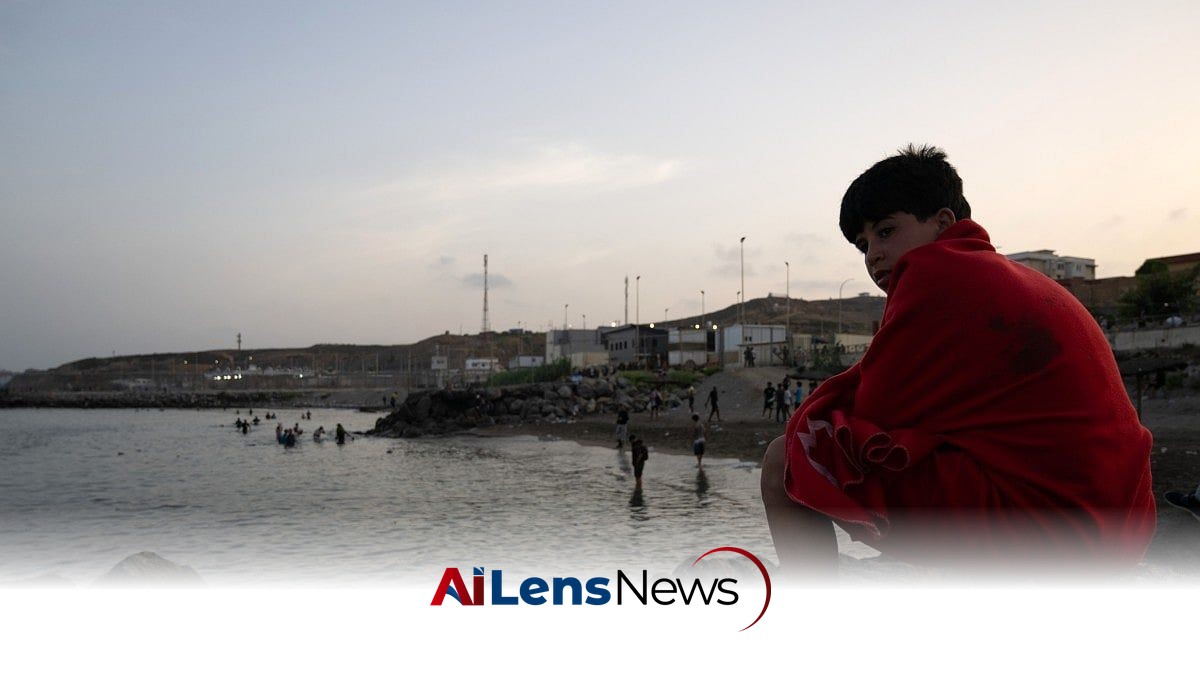
Videos and images from the frontier showed large groups of people, mostly Moroccan nationals, moving through breakwaters near an urban beach and crossing towards local roads after reaching the border area. The scenes depicted a desperate and chaotic attempt by many to seek a better life, often fraught with peril. Most of those arriving appeared to be young men, although families with women and children were also among the crowds, indicating that the motivations for migration are diverse and multifaceted.
The surge followed a rise in attempts to reach Ceuta, mainly by swimming from Morocco. Authorities have not yet confirmed what triggered the sudden increase in crossings, but various factors could be contributing to this trend. Economic hardship, political instability, and social unrest in the migrants' home countries often drive individuals and families to undertake dangerous journeys in search of safety and better opportunities.
Spain’s government said it would deploy the Armed Forces to support the Civil Guard in managing the situation, a move that underscores the seriousness of the crisis and the challenges faced by local authorities in controlling the influx. The deployment of military personnel to assist in border security reflects the urgency of addressing both the immediate humanitarian needs and the broader implications of mass migration.
Ceuta is a small autonomous Spanish city located on the northern coast of Africa, along with the larger Spanish territory of Melilla, around 400 kilometres (250 miles) to the east. Both territories are part of Spain and the European Union, and they share the EU’s only land borders with Africa. This unique geographical position makes Ceuta and Melilla critical points of entry for migrants attempting to reach Europe, often leading to heightened tensions at the borders.
Spain has controlled Ceuta since 1580, and the city has a population of about 85,000, which is home to a mix of Christian and Muslim communities, including Spanish and Moroccan residents and workers. The demographic diversity in Ceuta adds to the complexity of the migration issue, as local communities must navigate the challenges posed by the influx of newcomers while maintaining social cohesion.
Morocco does not recognise Ceuta and Melilla as Spanish territory and considers them occupied lands. This lack of recognition complicates diplomatic relations and influences the behavior of Moroccan authorities concerning border management and migration control.
Ceuta has been at the centre of diplomatic tensions between Spain and Morocco, particularly regarding issues of sovereignty and migration. In May 2021, around 8,000 people from Morocco and sub-Saharan African countries entered Ceuta over two days after Moroccan authorities relaxed border controls. This incident was widely viewed as a response to Spain allowing Brahim Ghali, a leader of the Western Sahara independence movement, to receive medical treatment in Spain. The event highlighted how migration can be used as a tool in diplomatic negotiations and as a reflection of underlying political disputes.
Relations later improved after Spain changed its position on Western Sahara and Spanish Prime Minister Pedro Sánchez met Moroccan King Mohammed VI. This shift in diplomacy illustrates the interconnectedness of migration issues with broader geopolitical dynamics, as countries navigate their interests while addressing humanitarian concerns.
Ceuta and Melilla are key entry points for migrants attempting to reach Europe from Morocco and other parts of Africa. Both territories have heavily fortified borders, but migrants continue to attempt crossings by land and sea. Many attempt to swim from the Moroccan town of Fnideq, covering around 5 kilometres (3.1 miles) to reach Ceuta. Others cross from nearby Belyounech, where the distance is shorter. These perilous journeys often result in tragic outcomes, as the Mediterranean Sea is known for its treacherous conditions.
Those who reach the territories may be returned to Morocco, while others are placed in migrant shelters and can apply for asylum in Spain. The asylum process can be lengthy and complicated, often leaving migrants in limbo as they await decisions on their status. This uncertainty can exacerbate the challenges faced by migrants, who may experience psychological distress and uncertainty about their future.
Although Ceuta and Melilla receive significant attention, most migrants reaching Spain arrive through routes such as the Canary Islands and the Balearic Islands. The Canary Islands, in particular, have seen a sharp increase in migrant arrivals in recent years, driven by the dangerous sea route from West Africa. Spain’s immigrant population has grown significantly in recent decades, with around 10 million of the country’s 50 million residents born abroad. This demographic shift has implications for Spanish society, economy, and public policy.
Many migrants come from countries including Colombia, Venezuela, and Morocco, working in sectors such as agriculture, tourism, and services. The contributions of migrants to the economy are significant, but they also raise questions about integration, social services, and public sentiment towards immigration. The ongoing migration crisis necessitates a balanced approach that addresses both the humanitarian needs of migrants and the concerns of local communities.
As Spain grapples with these challenges, the situation in Ceuta serves as a microcosm of the broader migration issues faced by Europe. The European Union continues to debate and negotiate migration policies, striving for a collective response that balances border security with humanitarian obligations. The implications of the current migrant crisis extend beyond Ceuta, influencing discussions on migration management, international cooperation, and the future of Europe’s borders.
To learn more about the latest developments in Culture & Society, stay updated with our exclusive reports and analyses on AiLensNews.

