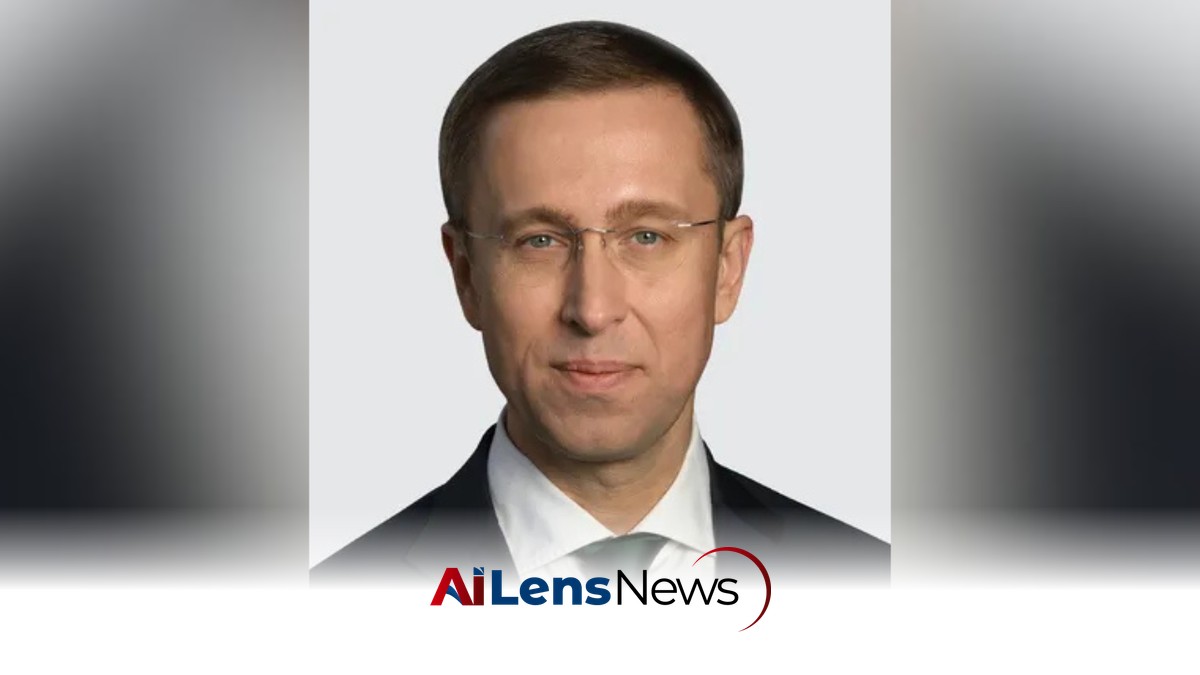


Ukraine's Parliament has approved Serhii Koretskyi as Prime Minister during a government reshuffle, facing protests over the dismissal of Defence Minister Fedorov.
Kyiv, Ukraine Jul 17, 2026 ALN: Ukraine's Parliament on Thursday approved Serhii Koretskyi, the head of the state energy company Naftogaz, as the country's new Prime Minister. This appointment is part of a significant government reshuffle initiated by President Volodymyr Zelenskyy. The decision to appoint Koretskyi comes at a time when Ukraine is grappling with the ongoing ramifications of the war with Russia, which has deeply affected various sectors of the economy, including energy, defense, and public welfare.
The nomination of Mr. Koretskyi was made by President Zelenskyy, who highlighted his extensive experience in the energy sector. The President emphasized that Koretskyi is well-suited to prepare Ukraine for another challenging wartime winter. With the winter months approaching, Ukraine faces the dual challenge of ensuring energy security while managing the impact of military operations. The Parliament voted in favor of his appointment with a total of 289 votes, indicating a significant level of support amidst a politically charged atmosphere.
However, the appointment of Koretskyi comes amid rising tensions, as hundreds of protesters gathered outside the parliament building. These protests were sparked by President Zelenskyy's decision to dismiss Defence Minister Mykhailo Fedorov after only six months in office. Critics of the President's decision have voiced concerns that this move could hinder crucial military reforms during the ongoing conflict with Russia. The dismissal of a key defense figure raises alarms about continuity and stability in military leadership, especially as Ukraine continues to face aggression from Russian forces.
The political landscape in Ukraine remains volatile, with the recent changes in leadership raising questions about the government's stability and its ability to effectively manage the war effort. The decision to appoint a new Prime Minister while simultaneously changing the Defense Minister reflects a broader strategy by President Zelenskyy to overhaul his cabinet in response to both internal and external pressures. This reshuffle could be interpreted as an attempt to rejuvenate the government and instill fresh energy into the ongoing efforts to combat the Russian invasion.
Serhii Koretskyi's background in the energy sector is particularly relevant given Ukraine's reliance on its energy resources and the critical need for effective management of these assets during wartime. Naftogaz, the company he previously led, plays a vital role in the national energy strategy, especially in the context of Ukraine's efforts to reduce dependency on Russian gas. As Prime Minister, Koretskyi will be tasked with ensuring that energy supplies remain stable and that infrastructure is maintained despite the ongoing conflict.
Moreover, the implications of his appointment extend beyond energy management. The new Prime Minister will also need to address the concerns of the public, particularly those who have taken to the streets to express their dissatisfaction with the government's recent decisions. The protests reflect a growing frustration among citizens regarding the pace of military reforms and the overall handling of the war. As Ukraine navigates this complex situation, the ability of the government to respond to public sentiment will be crucial in maintaining political stability.
In summary, the appointment of Serhii Koretskyi marks a pivotal moment in Ukraine's political scene, as the government seeks to address both energy needs and military readiness amidst public dissent. The challenges ahead are significant, as the new Prime Minister will need to balance the expectations of the populace with the demands of international partners who are closely monitoring Ukraine's progress in the war. The coming months will likely test the resilience of both the government and the people as they confront the harsh realities of ongoing conflict and the pressing need for reform.
As Ukraine prepares for winter, the energy crisis looms large on the horizon. The country has been working to diversify its energy sources and reduce its reliance on Russian imports, a strategy that has gained urgency in light of the current geopolitical climate. Koretskyi's expertise could be instrumental in navigating these challenges, but he will also need to work collaboratively with other government officials and stakeholders to ensure a cohesive approach.
The international community's response to these developments will also play a critical role in shaping Ukraine's future. Support from Western allies has been crucial in providing military and economic assistance, and as Ukraine's leadership changes, maintaining these relationships will be essential. The new Prime Minister's ability to effectively communicate Ukraine's needs and aspirations to international partners will be a key factor in securing ongoing support.
Ultimately, the situation in Ukraine is fluid, and the appointment of Serhii Koretskyi is just one piece of a larger puzzle. As the country faces a multitude of challenges, including a war that has claimed thousands of lives and displaced millions, the leadership must remain agile and responsive to both internal and external pressures. The coming weeks and months will be critical in determining the trajectory of Ukraine's political landscape and its ability to withstand the tests of war and public scrutiny.
In the backdrop of this political upheaval, it is essential to consider the historical context of Ukraine's ongoing conflict with Russia. Since the annexation of Crimea in 2014 and the subsequent war in Eastern Ukraine, the country has been navigating a precarious geopolitical landscape. The conflict has not only strained military resources but has also exacerbated economic challenges, leading to a heightened focus on energy independence and security.
As Prime Minister, Koretskyi's role will be pivotal in steering Ukraine's energy policy during this tumultuous period. The winter months are particularly critical, as energy supplies are tested by increased demand for heating and electricity. Ukraine's efforts to bolster its energy infrastructure and diversify sources have been ongoing, with initiatives aimed at increasing domestic production and exploring alternative suppliers. The new Prime Minister's leadership will be crucial in ensuring that these initiatives are effectively implemented and that the energy sector remains resilient against external pressures.
The domestic response to the government reshuffle, particularly the protests against the dismissal of Defence Minister Fedorov, highlights the complexities of public sentiment in Ukraine. Citizens are increasingly aware of the stakes involved in the ongoing conflict and are demanding transparency and accountability from their leaders. As such, Koretskyi will need to navigate not only the technical aspects of energy management but also the political landscape shaped by public expectations and demands for reform.
Furthermore, the international community's role cannot be understated. Ukraine has relied heavily on military and economic support from Western nations, particularly in light of the ongoing aggression from Russia. The ability of the new Prime Minister to foster relationships with international partners will be critical in ensuring continued assistance. This involves not only securing military aid but also attracting investments and economic support that can help stabilize the country during this challenging period.
In conclusion, Serhii Koretskyi's appointment as Prime Minister represents a significant development in Ukraine's ongoing struggle against external aggression and internal challenges. The coming months will test the effectiveness of his leadership as he tackles the pressing issues of energy security, military readiness, and public dissatisfaction. The interplay between domestic politics and international relations will be crucial in shaping Ukraine's path forward as it seeks to emerge from the shadows of conflict and build a stable and resilient future.
To learn more about the latest developments in Regions & Countries, stay updated with our exclusive reports and analyses on AiLensNews.

