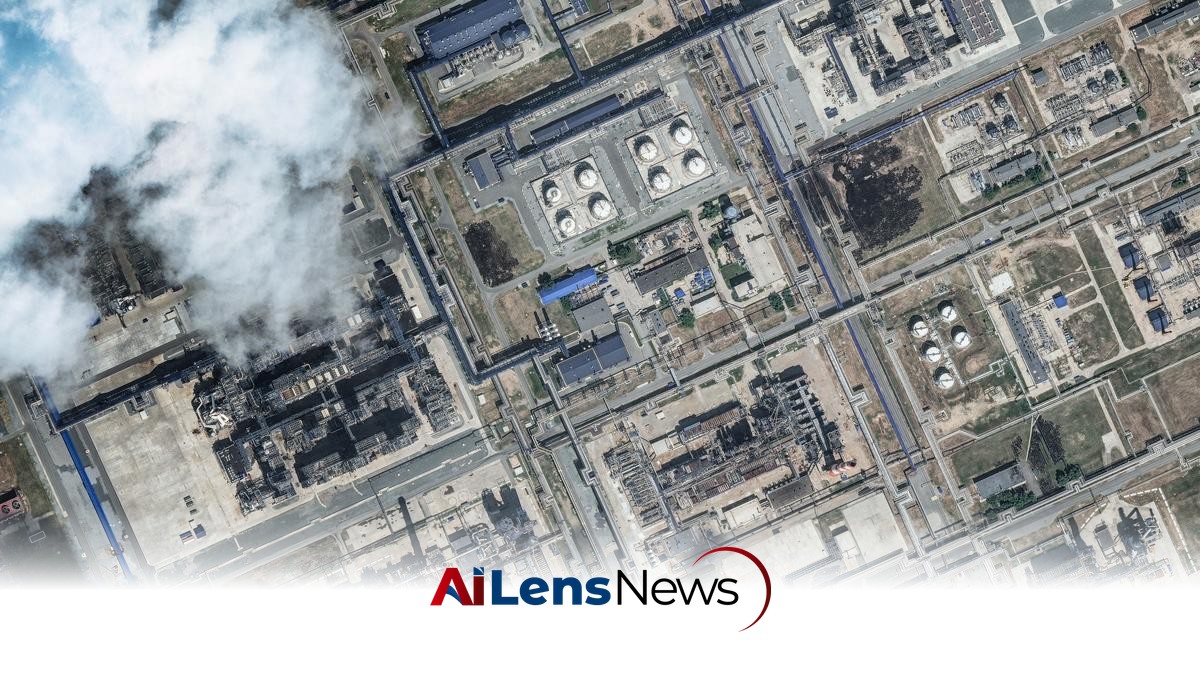


Ukrainian drones targeted Russian oil refineries and tankers, leading Russia to impose a diesel export ban amid fuel shortages.
Russia, Russia Jul 9, 2026 ALN: Ukrainian drones struck three Russian oil refineries, Russian tankers on the Sea of Azov, and pipeline pumping stations, according to Ukrainian and Russian officials on Wednesday, July 8, 2026. This marked a significant escalation in Ukraine's drone campaign, which has extended its reach from the Ukrainian border to the Ural Mountains, indicating a notable shift in the dynamics of the ongoing conflict between Ukraine and Russia.
These drone strikes come at a time when Russia is grappling with severe fuel shortages in several regions, an issue that has been exacerbated by Ukraine's intensified drone attacks on Russian oil refineries and energy infrastructure. The Ukrainian military's strategy appears to be increasingly focused on targeting locations that are farther from its own territory, suggesting a growing capability and confidence in executing long-range operations.
On July 6, 2026, Kyiv successfully hit the Omsk refinery, Russia’s largest, located deep in Siberia, approximately 2,700 kilometers from Ukrainian-held territory. This particular strike is emblematic of a broader strategy employed by Ukraine to disrupt Russian energy supplies, which are crucial for sustaining both civilian life and military operations in Russia. The Omsk refinery is a key facility in Russia's energy infrastructure, processing a significant portion of the country's crude oil and supplying fuel to both military and civilian sectors.
In separate statements, Ukraine’s general staff and special forces confirmed that drones had targeted the TANECO and TAIF-NK oil refineries in Nizhnekamsk, Tatarstan, as well as the Saratov oil refinery and the Borisoglebsk military airbase in the Voronezh region. Additionally, a petroleum products pumping station in Bashkortostan was also struck. The targeting of military installations alongside civilian energy infrastructure highlights the dual nature of Ukraine's military objectives: to weaken Russia's logistical capabilities while also undermining its economic stability. This strategy reflects an understanding of the critical role that energy plays in sustaining military operations and civilian life, and the importance of disrupting these supplies to weaken the enemy's war effort.
In response to the ongoing drone attacks, Russia announced a ban on diesel exports on July 8, 2026. This measure is part of a series of actions aimed at stabilizing the domestic fuel market amid systematic Ukrainian strikes on oil refineries. The export ban reflects the severity of the situation in Russia, where fuel shortages have begun to affect everyday life, leading to long wait times at filling stations across various regions. The decision to impose the ban indicates a recognition by Russian authorities of the urgent need to prioritize domestic fuel needs over international sales, a significant shift in policy for a country that has long been one of the 's leading energy exporters.
Deputy Prime Minister Alexander Novak addressed the situation during a televised government meeting, stating that the fuel situation remains complex and is causing public concern. He announced, “Today, a ban on diesel fuel exports was introduced, and this will make it possible to increase supplies to the domestic market.” This statement underscores the urgency with which the Russian government is attempting to manage the fallout from the drone strikes and the subsequent energy crisis. The ban is expected to have immediate implications for Russia's economy, particularly in areas heavily reliant on diesel fuel for transportation and agriculture.
Furthermore, Novak indicated that Russia would begin importing fuel in July to alleviate the shortages, a move that signifies the extent of the crisis facing the Russian energy sector. The government confirmed that the diesel export ban, which affects all fuel producers, will remain in effect until July 31, 2026. This temporary measure aims to ensure that domestic demand is met, even as the country grapples with the implications of its extended military engagement in Ukraine. The decision to import fuel highlights the precariousness of Russia's energy situation and the challenges it faces in maintaining its energy independence amidst ongoing conflict.
Following the export ban, benchmark European diesel margins surged to a record $60.17 per barrel, reflecting the impact of the restrictions on the market. This spike in diesel prices not only indicates the immediate economic consequences of the conflict but also highlights the interconnectedness of global energy markets. As Russia attempts to stabilize its domestic fuel supply, the ripple effects are likely to be felt internationally, potentially leading to increased prices and supply challenges in other regions. The increase in diesel prices could exacerbate inflationary pressures in Europe and beyond, as countries already facing energy supply issues may find themselves further burdened by rising costs.
The escalation of drone strikes by Ukraine and the corresponding Russian responses illustrate a significant turning point in the conflict. Ukraine's ability to project power beyond its borders through drone warfare indicates advancements in its military capabilities, possibly aided by Western support and technology. The implications of this shift are profound, as it could lead to a reevaluation of military strategies on both sides and may influence future diplomatic negotiations. As Ukraine demonstrates its capacity to strike at the heart of Russian energy infrastructure, it may embolden its allies to provide further support and potentially reconsider their own military engagements in the region.
Moreover, the ongoing conflict has broader geopolitical ramifications, particularly in the context of energy security in Europe. As European nations seek to reduce their reliance on Russian energy supplies, the situation in Ukraine becomes even more critical. The drone strikes not only serve to disrupt Russian oil production but also send a signal to European allies about the resilience and determination of Ukraine in the face of aggression. This could lead to a reevaluation of energy policies among European nations, encouraging them to diversify their energy sources and reduce dependence on Russian oil and gas.
In conclusion, the recent escalation in drone attacks by Ukraine and the subsequent Russian export ban on diesel fuel mark a significant development in the ongoing conflict. The situation continues to evolve, with potential implications for energy markets, military strategies, and international relations. As both countries navigate this complex landscape, the stakes remain high for regional stability and global energy security. The interplay of military actions and economic responses underscores the multifaceted nature of the conflict, where military capabilities and energy resources are inextricably linked. The developments in this conflict will likely continue to shape not only the immediate region but also the broader geopolitical landscape for years to come.
To learn more about the latest developments in Wars & Conflicts, stay updated with our exclusive reports and analyses on AiLensNews.

