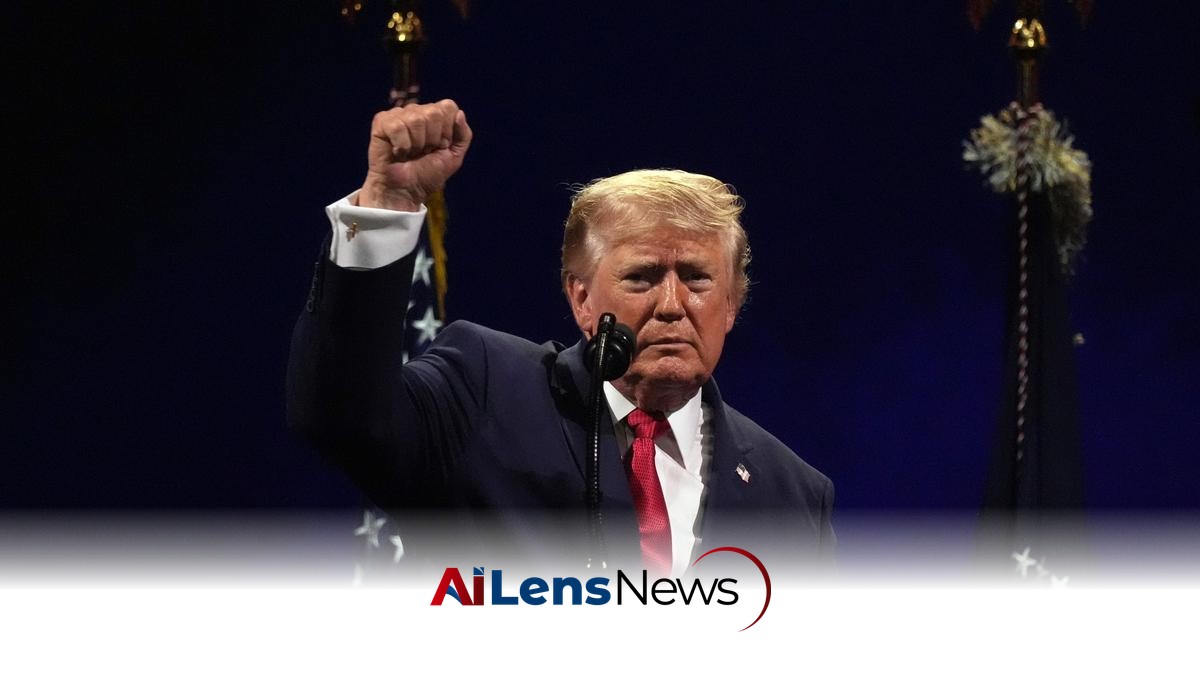


U.S. President Donald Trump claims Israeli Prime Minister Netanyahu understands their dynamic as discussions of a White House visit arise.
Washington DC, United States Jul 5, 2026 ALN: U.S. President Donald Trump has indicated that Israeli Prime Minister Benjamin Netanyahu may visit the White House as early as next week. In a phone interview with Axios, Trump stated that Netanyahu "knows who the boss is" in their relationship, suggesting a clear hierarchy. This statement underscores the nature of U.S.-Israel relations, which have historically been characterized by a strong alliance, but also by moments of tension and disagreement.
The potential meeting comes at a time of reported tensions between the two leaders, particularly regarding efforts to resolve the ongoing conflict with Iran, which the U.S. and Israel have been involved in since late February. The Iranian threat has been a central issue in U.S.-Israel relations, with both nations viewing Iran's nuclear ambitions as a significant danger to regional stability and security. Trump's administration has taken a hardline approach towards Iran, including the withdrawal from the Iran nuclear deal in 2018, which has further complicated the dynamics in the region.
Trump emphasized their rapport, saying, "We get along very well. [Mr. Netanyahu] knows who the boss is." This statement reflects Trump's assertive stance in international relations, particularly with key allies. Trump's approach often emphasizes personal relationships with foreign leaders, which he believes can facilitate negotiations and foster cooperation. However, this dynamic can also lead to misunderstandings and misalignments in policy, especially when leaders prioritize their national interests differently.
However, an Israeli official has indicated that next week might be too soon for the visit, as Trump is scheduled to travel to Turkey for a NATO summit on July 7-8. The official mentioned that the meeting could potentially occur the following week instead. This scheduling challenge highlights the complexities of international diplomacy, where timing can significantly impact the outcomes of high-stakes discussions.
Netanyahu's office confirmed that the two leaders spoke on Friday and agreed to meet "soon" in the United States. This meeting is particularly significant given the backdrop of the U.S.-Israel alliance, which has faced scrutiny in recent weeks. The alliance has been tested by various factors, including differences in military strategy and diplomatic approaches to the Iranian threat, as well as domestic political pressures within both countries.
Despite being Washington's closest ally, Netanyahu has faced criticism from Trump following Israel's military actions against Hezbollah in Lebanon, which have complicated peace talks with Iran. The last meeting between the two leaders took place on February 11 in Washington, highlighting the importance of their upcoming discussions. The February meeting was marked by discussions on military cooperation, intelligence sharing, and strategies to counter Iranian influence in the region, all of which remain critical issues as tensions continue to escalate.
The situation in the Middle East is fluid, with various actors influencing the geopolitical landscape. Iran's involvement in supporting proxy groups like Hezbollah and its continued military presence in Syria pose significant challenges to both Israeli and U.S. interests. The potential for conflict in the region remains high, and the U.S.-Israel partnership is often viewed as a cornerstone of efforts to stabilize the area.
As the situation evolves, the dynamics between Trump and Netanyahu will be closely watched, especially in the context of regional stability and U.S. foreign policy in the Middle East. The upcoming meeting could serve as a critical juncture for both leaders, allowing them to address their differences and reaffirm their commitment to a shared strategy against common threats. Such discussions are vital not only for the U.S. and Israel but also for their allies in the region, who are closely monitoring the developments.
Furthermore, the implications of their meeting extend beyond bilateral relations. The outcomes could influence the broader Arab-Israeli conflict, particularly in light of recent normalization agreements between Israel and several Arab nations. These agreements, known as the Abraham Accords, have reshaped the diplomatic landscape, but ongoing tensions with Iran and its allies could undermine these efforts.
In conclusion, the anticipated meeting between Trump and Netanyahu represents a significant moment in U.S.-Israel relations, reflecting both the strengths and challenges of their partnership. As both leaders navigate complex geopolitical realities, their ability to communicate effectively and align their strategies will be crucial for addressing the multifaceted threats facing the region. The will be watching closely as they seek to reaffirm their alliance and tackle the pressing issues at hand.
To understand the broader implications of the anticipated meeting, it is essential to consider the historical context of U.S.-Israel relations. The alliance has been built on shared democratic values, economic ties, and mutual security interests. Since the establishment of Israel in 1948, the U.S. has been a steadfast ally, providing military aid, diplomatic support, and a platform for Israel in international forums. However, the relationship has also been marked by disagreements, particularly regarding the Israeli-Palestinian conflict and approaches to peace in the region.
In recent years, the Israeli-Palestinian conflict has continued to be a source of tension, with various attempts at peace negotiations yielding limited results. The U.S. has often played a mediating role, but differing approaches between administrations have led to fluctuations in the peace process. Trump's administration has been particularly noted for its controversial recognition of Jerusalem as Israel's capital and the subsequent relocation of the U.S. embassy, which was met with significant backlash from Palestinians and other Arab nations.
Moreover, the geopolitical landscape in the Middle East has been further complicated by the rise of non-state actors and regional rivalries. Iran's influence has expanded through its support for groups like Hezbollah in Lebanon and various militias in Iraq and Syria. This has raised alarms in both Israel and the U.S., leading to a concerted effort to counter Iranian expansionism. The tensions surrounding Iran's nuclear program have been a focal point of U.S.-Israel cooperation, with both nations viewing a nuclear-armed Iran as an existential threat.
The upcoming meeting between Trump and Netanyahu is also taking place against the backdrop of domestic political challenges faced by both leaders. Netanyahu has encountered significant political opposition within Israel, and his government has been scrutinized over its handling of security and economic issues. Trump, meanwhile, has faced his own set of challenges domestically, including criticism of his foreign policy decisions and the ongoing political divisions in the U.S. These factors could influence the tone and outcomes of their discussions.
In addition to the immediate concerns regarding Iran, the meeting could also address broader strategic considerations, such as military cooperation and intelligence sharing. The U.S. and Israel have a long history of collaborating on defense technologies and counterterrorism efforts, which are crucial in addressing the evolving threats in the region. Enhancing military readiness and ensuring that both nations are aligned in their strategic objectives will be paramount as they face common adversaries.
Ultimately, the implications of the Trump-Netanyahu meeting extend beyond their bilateral relationship. The outcomes could resonate throughout the Middle East, impacting relations with other Arab states and potentially influencing the trajectory of the Israeli-Palestinian peace process. As both leaders seek to navigate the complexities of regional politics, their ability to forge a united front against shared threats will be vital in shaping the future of U.S.-Israel relations and the broader stability of the region.
To learn more about the latest developments in International Politics, stay updated with our exclusive reports and analyses on AiLensNews.

