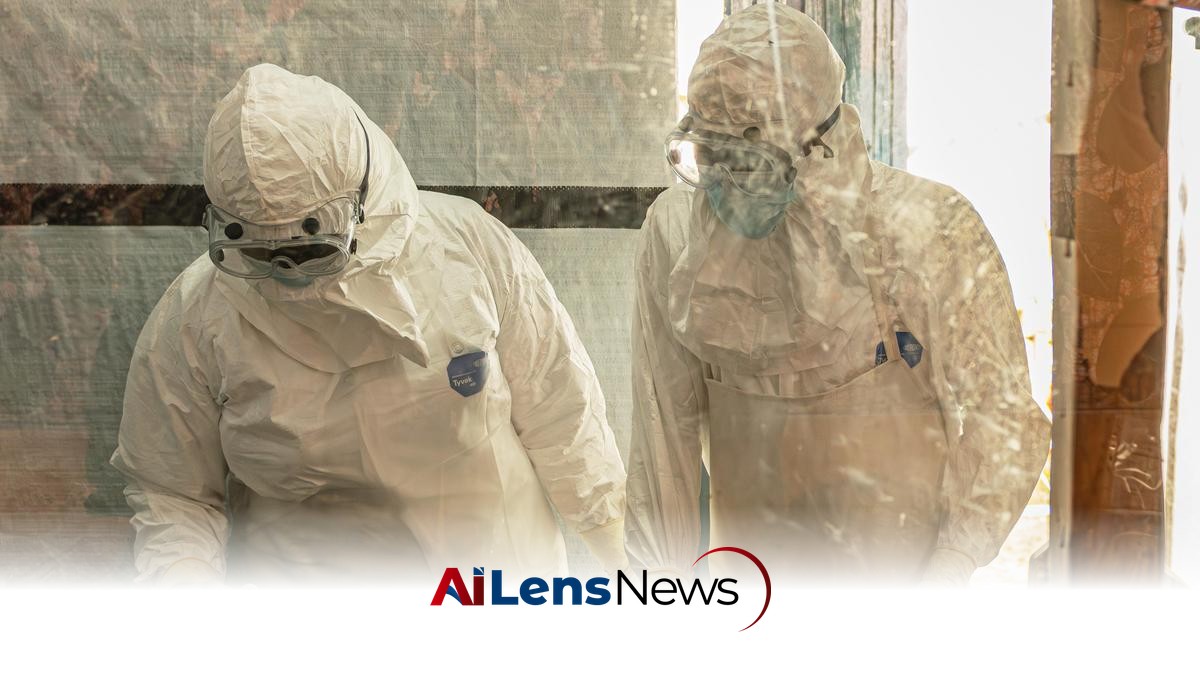


A new trial for Bundibugyo Ebola treatment in DRC evaluates an experimental antibody and remdesivir amidst ongoing challenges.
New Delhi, India Jul 4, 2026 ALN: The Democratic Republic of Congo (DRC) is currently facing a significant public health challenge with the Bundibugyo strain of the Ebola virus. As of July 2, 2026, a clinical trial has commenced, marking an important milestone in the ongoing battle against this outbreak. The trial, which began with the enrollment of its first patient, is part of a broader strategy to evaluate potential treatments for a disease that has already claimed many lives and continues to pose a threat to communities in the region.
The Bundibugyo strain of Ebola, first identified in 2007 during an outbreak in Uganda, is one of several strains of the Ebola virus. It is known for causing severe hemorrhagic fever and has a high mortality rate. The current outbreak in DRC has been particularly severe, with over 1,400 reported cases and 438 deaths. The DRC has a history of Ebola outbreaks, with the virus being endemic in certain regions. This latest outbreak has highlighted the persistent vulnerabilities in healthcare systems and the need for robust responses to emerging infectious diseases.
During a press briefing, Dr. Tedros Adhanom Ghebreyesus, the Director-General of the Health Organization (WHO), emphasized the ongoing difficulties that health authorities face in controlling the spread of the disease. He pointed to a recent violent incident at an Ebola treatment center in Ituri province, where two individuals were killed. This attack illustrates the complex interplay of health crises and security challenges in the region, where mistrust and violence can significantly hinder public health efforts.
In his remarks, Dr. Tedros stated, "We continue to face significant challenges, including mistrust and violence," underscoring the multifaceted nature of the response required to effectively manage the outbreak. The DRC has experienced a cycle of outbreaks, and each time, the response has been complicated by factors such as community resistance, logistical challenges, and the need for extensive public health education.
The clinical trial underway is particularly noteworthy as it aims to evaluate Mapp Biopharmaceutical's experimental MBP134 antibody. This treatment is being tested both as a standalone therapy and in combination with remdesivir, an antiviral drug developed by Gilead Sciences. The inclusion of remdesivir in the trial is significant given its prior use in treating other viral infections, including COVID-19. The dual approach of testing both therapies could provide valuable insights into effective treatment protocols for Bundibugyo Ebola.
The WHO has assured that sufficient supplies of the experimental drugs are available for the trial. Collaboration with international partners, including the United States, has facilitated the donation of MBP134, while Gilead has contributed over 4,000 vials of remdesivir for use in the trial and emergency situations. Ensuring that patients have access to these drugs post-trial, should they prove safe and effective, is a critical aspect of the planning process. This highlights the importance of international cooperation in addressing global health emergencies.
As the trial progresses, the WHO has reported improvements in various areas of the outbreak response. Currently, there are ten laboratories equipped to test for Ebola, which is crucial for timely diagnosis and containment of the virus. The ability to conduct follow-ups for contacts of confirmed cases is also vital in breaking the transmission chain. However, Dr. Tedros noted that there is still a need to identify more contacts for each confirmed case to effectively manage the outbreak.
In terms of treatment capacity, the DRC has expanded its facilities to accommodate patients. There are currently 650 beds available, with approximately 96% occupancy. The WHO and its partners are actively working to increase this capacity by an additional 300 beds in response to the growing number of patients requiring care. This expansion is essential not only for the current outbreak but also for future preparedness against potential outbreaks.
The implications of this trial extend beyond the immediate response to the current outbreak. Successful treatments could pave the way for more effective management of future Ebola outbreaks, not just in the DRC but across the African continent, where Ebola remains a significant threat. The knowledge gained from this trial could also inform global health strategies for addressing other viral outbreaks.
In conclusion, the initiation of the clinical trial for Bundibugyo Ebola treatment represents a crucial step in the fight against this deadly virus. The collaboration between international organizations, governments, and the private sector is vital to ensuring that effective treatments are developed and made available to those in need. As the DRC continues to grapple with this outbreak, the lessons learned and the innovations developed during this time will be critical in shaping future responses to infectious diseases globally.
The DRC's ongoing battle with the Bundibugyo strain of Ebola is not just a local health concern; it is part of a larger global health narrative that underscores the interconnectedness of health systems. The challenges faced in the DRC highlight the importance of investing in healthcare infrastructure, especially in regions prone to outbreaks. The need for improved surveillance systems, rapid response teams, and effective communication strategies cannot be overstated. These elements are essential for not only managing current outbreaks but also for preventing future ones.
Furthermore, the socio-political context in which these health crises occur cannot be ignored. The DRC has faced decades of conflict and instability, which have severely impacted its healthcare system. Mistrust in government and international health organizations can lead to community resistance against vaccination and treatment efforts. Building trust within communities is therefore a critical component of any public health response. Engaging local leaders and utilizing culturally appropriate communication strategies can help bridge the gap between health authorities and the communities they serve.
Additionally, the role of education in combating misinformation about Ebola and other infectious diseases is vital. Public health campaigns that educate communities about the nature of the virus, modes of transmission, and the importance of seeking treatment can empower individuals to take proactive steps in protecting themselves and their families. Such initiatives can also help reduce stigma associated with the disease, which often prevents individuals from coming forward for testing and treatment.
As the clinical trial for the Bundibugyo Ebola treatment progresses, it will be crucial to monitor not only the clinical outcomes but also the broader social implications of the trial. The way in which the trial is perceived by the local population, the involvement of community health workers, and the transparency of the research process will all play significant roles in shaping the overall response to the outbreak.
In summary, the clinical trial for Bundibugyo Ebola treatment is a significant development in the fight against this deadly virus. However, it is essential to recognize that successful management of the outbreak and future preparedness requires a multifaceted approach that includes strengthening healthcare systems, building community trust, and enhancing public health education. The lessons learned from this trial and the ongoing response to the outbreak will undoubtedly contribute to shaping global health strategies in the years to come, particularly in regions vulnerable to infectious diseases.
To learn more about the latest developments in International Organizations, stay updated with our exclusive reports and analyses on AiLensNews.

