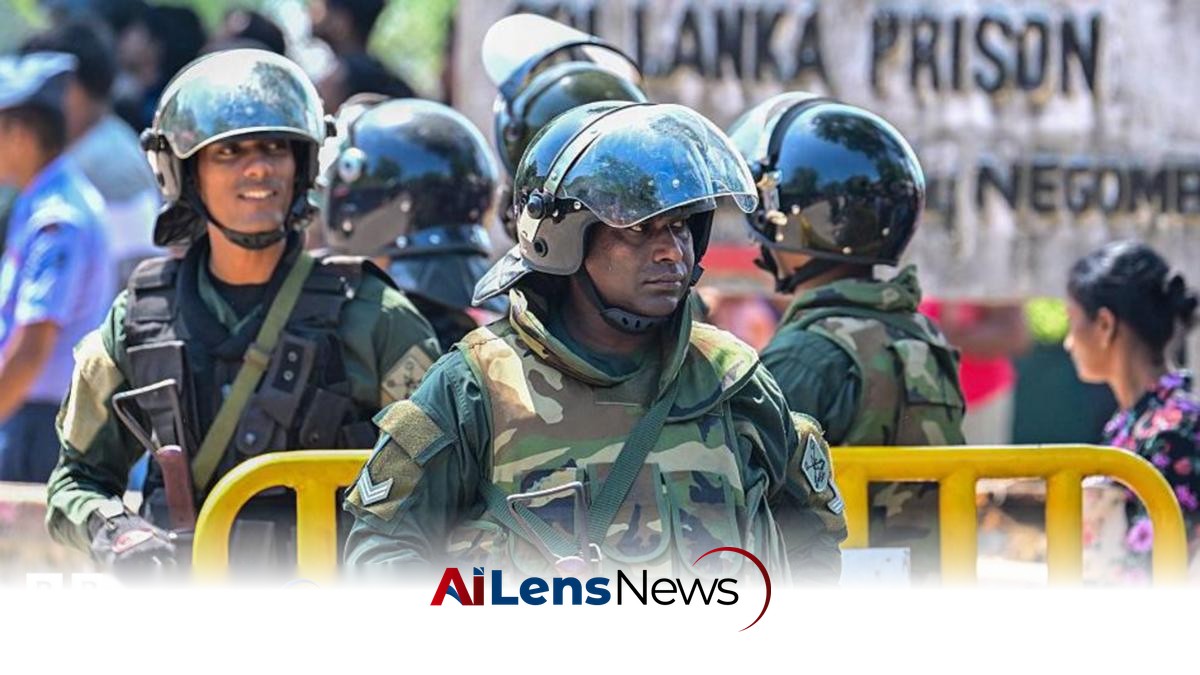


Violence at Negombo Prison in Sri Lanka results in 26 fatalities and over 100 injuries, marking the worst prison riots in years.
New Delhi, India Jul 6, 2026 ALN: Riots at a prison in western Sri Lanka have killed 26 people, seven of them guards, and injured more than 100.
The two days of violence at Negombo Prison, located in a coastal town north of Colombo, began with clashes between two groups of inmates. The riots have drawn attention not only because of the immediate loss of life and injuries but also due to the broader implications for the prison system and the socio-political climate in Sri Lanka.
The violence erupted on a Sunday, when prisoners allegedly seized the guns of guards. This initial confrontation led to the deaths of two individuals and left dozens injured. The situation escalated as male prisoners, alongside women from an adjoining unit, climbed onto the rooftops of the prison, demanding their release. This act of desperation reflects the dire conditions many inmates face within the overcrowded and underfunded prison system.
The prison system in Sri Lanka has long been criticized for its overcrowding and poor living conditions. Originally designed to hold around 10,000 inmates, prisons across the country are now housing approximately 41,250 individuals, leading to a fourfold increase in population density. Overcrowding has resulted in inadequate access to basic necessities such as food, water, and sanitation, contributing to heightened tensions among inmates.
On Monday, fresh violence broke out when inmates attempted to rush the prison gates, leading to a significant deployment of security forces. Eyewitnesses reported hearing multiple gunshots from inside the facility, indicating the severity of the situation. The unrest appears to have been fueled by tensions over an inmate who allegedly informed authorities about a drug trafficking operation occurring within the prison walls. Such incidents are not uncommon in Sri Lanka's jails, where corruption and violence often intersect, complicating the already precarious environment.
As a result of the riots, 23 prison officers and 54 inmates are receiving medical treatment. Reports from local hospitals indicate that some of the wounded sustained bullet injuries, while others suffered cuts and severe bruises. The Negombo Hospital director confirmed that some victims were in critical condition, necessitating their transfer to Colombo National Hospital for further treatment. The situation underscores the urgent need for reform within the prison healthcare system, which often struggles to meet the needs of a large and diverse inmate population.
In addition to the injuries, police reported that part of the prison's roof collapsed during the chaos, further injuring some of the women involved in the protests. This highlights the structural issues within the prison, where aging facilities are unable to accommodate the high number of inmates safely. The safety of both inmates and prison staff has become a pressing concern, leading to calls for immediate attention to the physical state of prison infrastructure.
As the violence unfolded, crowds of inmates' relatives gathered outside the prison, desperate for information about their loved ones. Many expressed frustration and anguish, stating they had not received any updates regarding the status of their family members—whether they were alive or injured. This lack of communication points to systemic failures in crisis management within the prison system, which often leaves families in the dark during emergencies. The emotional toll on families, coupled with the fear of losing loved ones in such violent circumstances, adds another layer of complexity to the ongoing crisis.
In response to the turmoil, the military has been placed on standby following a request from the police for additional support. Authorities have begun clearing areas within the prison to restore order. Prisons commissioner media spokesman AC Gajanayake stated that steps are being taken to transfer inmates to other facilities to alleviate the pressure on Negombo Prison. This move, while necessary, raises questions about the conditions in other prisons and whether they can accommodate additional inmates without exacerbating existing issues. The transfer of inmates may also lead to further unrest if not managed carefully, as tensions can easily arise in new environments.
Minister of Justice and Prisons Harshana Nanayakkara has instructed relevant authorities to conduct a thorough investigation into the riots and submit a comprehensive report. The outcomes of this investigation could have significant implications for prison policy and reform in Sri Lanka, particularly in addressing the root causes of violence and unrest within the system. Previous investigations into similar incidents have often led to recommendations for reform, but the implementation of those recommendations has frequently lagged behind, raising concerns about the government’s commitment to meaningful change.
While riots in Sri Lankan prisons are not unprecedented, the scale and severity of this incident have raised alarms about the state of the country’s penal institutions. Previous riots, such as the one in December 2020, which resulted in 11 deaths and 117 injuries at another facility, indicate a troubling trend of increasing violence and unrest within the prison system. These incidents often stem from overcrowding, inadequate facilities, and poor living conditions, all of which contribute to a volatile environment. The government has been urged to take a more proactive approach in addressing these systemic issues to prevent future outbreaks of violence.
The current situation in Sri Lanka’s prisons is a reflection of broader societal issues, including poverty, drug abuse, and a lack of rehabilitation programs. Many inmates find themselves trapped in a cycle of crime and incarceration, with little opportunity for reintegration into society. As the government grapples with this crisis, there is an urgent need for comprehensive reform that addresses not only the conditions within prisons but also the socio-economic factors that lead to crime. Failure to address these underlying issues may perpetuate the cycle of violence and unrest within the prison system.
The implications of these riots extend beyond the prison walls; they serve as a stark reminder of the challenges facing Sri Lanka as it navigates a post-conflict landscape marked by economic and social instability. The government’s response to this crisis will be closely watched by human rights organizations and the international community, which have long called for reforms in the country’s justice system. International observers may call for accountability and transparency in the investigation process, as well as for the implementation of reforms that prioritize the safety and dignity of all individuals within the penal system.
In conclusion, the riots at Negombo Prison have highlighted the urgent need for systemic change within Sri Lanka's penal system. With a high number of casualties and injuries, the incident underscores the consequences of overcrowding and inadequate facilities. As the government prepares to investigate and respond to the crisis, the focus must be on addressing the underlying issues that contribute to such violence and ensuring the safety and dignity of all inmates. The path forward will require a concerted effort from various stakeholders, including government officials, civil society organizations, and international partners, to create a more just and humane penal system for all.
To learn more about the latest developments in Wars & Conflicts, stay updated with our exclusive reports and analyses on AiLensNews.

