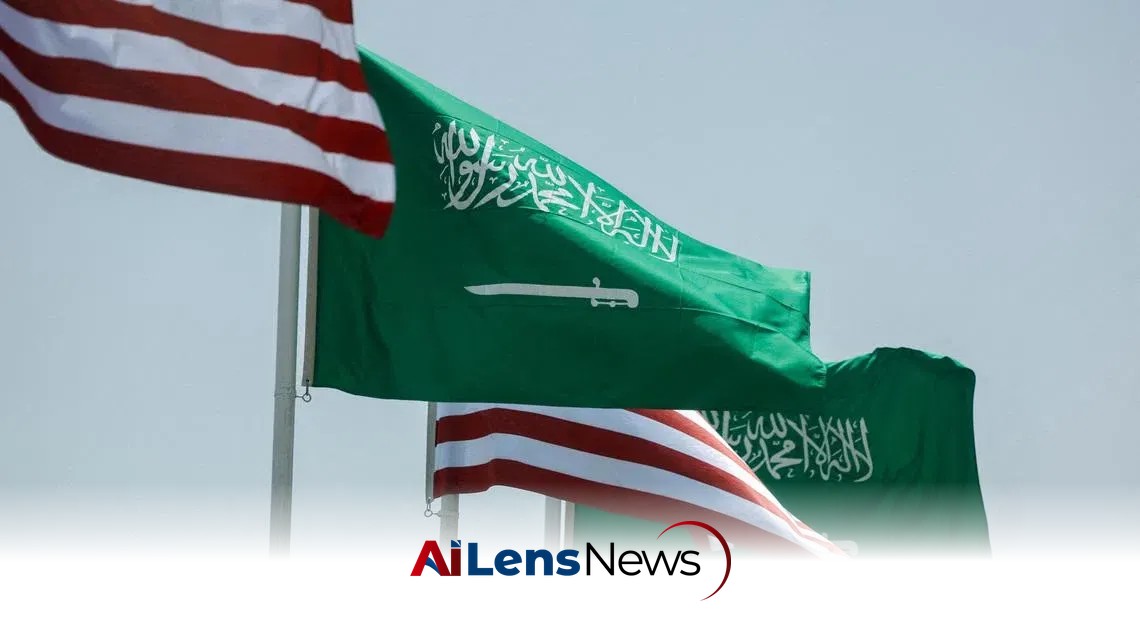


The US and Saudi Arabia have finalized a civil nuclear power agreement, enabling the kingdom to build reactors and enrich uranium using American technology, raising concerns about regional arms proliferation.
Singapore, Singapore Jul 23, 2026 ALN: WASHINGTON - The US and Saudi Arabia have reached an agreement on civil nuclear power, the US Energy Department announced on July 22. This deal allows the kingdom to build nuclear reactors using American technology and to enrich uranium. The implications of this agreement are significant, as it marks a pivotal moment in the United States’ approach to nuclear energy cooperation in the Middle East, a region that has been fraught with geopolitical tensions and concerns over nuclear proliferation.
A civil nuclear deal with Saudi Arabia has been in the works for years, spanning both President Donald Trump’s first administration and that of former president Joe Biden. The negotiations have been complex, reflecting not only the strategic interests of the United States in the region but also Saudi Arabia's ambitions to diversify its energy sources and reduce its reliance on oil. Saudi Arabia, a leading oil producer, has been increasingly interested in developing nuclear energy as part of its Vision 2030 initiative, which aims to transform its economy and reduce its carbon footprint.
Unlike the Biden plan, the current deal does not include a so-called Additional Protocol that allows the UN’s International Atomic Energy Agency (IAEA) to carry out intrusive snap inspections. This omission raises alarms among nonproliferation experts and lawmakers, as it could potentially allow Saudi Arabia greater autonomy in its nuclear activities without the stringent oversight typically associated with such agreements. The Additional Protocol is designed to provide assurances that a country is not diverting nuclear materials for weapons purposes, a key concern given the historical context of nuclear proliferation in the region.
The deal would also allow Saudi Arabia to enrich uranium and reprocess nuclear waste, both of which are potential pathways to making a nuclear weapon. This aspect of the agreement has drawn significant scrutiny, as critics argue that it could set a dangerous precedent for nuclear proliferation in the Middle East. The United Arab Emirates (UAE) agreed to forgo both of those capabilities when it signed a similar deal with the US in 2009, which has drawn a stark contrast to the current negotiations with Saudi Arabia.
US Secretary of Energy Chris Wright and his counterpart, Prince Abdulaziz bin Salman, signed the pact, known as a 123 Agreement, alongside a bilateral safeguards agreement, the US Energy Department said in a release. The 123 Agreement is a framework that governs nuclear cooperation between the US and other countries, and it is designed to ensure that nuclear technology and materials are used for peaceful purposes. The administration stated that the deal abides by nonproliferation agreements in the US Atomic Energy Act, which are among the world’s strongest. However, the lack of additional safeguards raises concerns about the potential for misuse of nuclear technology.
Saudi Arabia has long stated that if it does not partner with the US, it could partner with China or Russia, which have different proliferation standards. This assertion reflects the kingdom's strategic calculations in a multipolar world where it seeks to balance its relationships with major powers. The energy department noted that the deal now goes to Congress. Unless Congress raises votes to object to the deal within 90 session days, it will go into force. However, it would need a two-thirds majority to override a presidential veto, highlighting the political complexities surrounding the approval of such agreements.
Some nuclear experts have called on lawmakers to vote down the deal. Kelsey Davenport, director for nonproliferation policy at the Arms Control Association, urged all members of Congress on both sides of the aisle to recognize the risks and to exercise their power to reject or modify the proposed nuclear deal with Saudi Arabia. Critics argue that allowing Saudi Arabia to enrich uranium could open the door for nuclear proliferation in the Middle East even wider, potentially triggering an arms race in a region already marked by conflict and instability.
The approximately 30-year deal for the construction of AP1000 reactors, worth tens of billions of dollars, would benefit Westinghouse, jointly owned by Canada-based Cameco and Brookfield Asset Management. This financial aspect of the deal underscores the economic motivations behind the agreement, as it not only represents a significant investment in Saudi Arabia’s energy infrastructure but also provides American companies with lucrative contracts in a competitive global market.
An industry source indicated that the deal requires a feasibility study on using US technology in Saudi Arabia. The study and the slow pace of building nuclear power plants and uranium enrichment mean it could take many years to build the necessary infrastructure. This timeline may be a double-edged sword; while it allows for careful consideration of the implications of nuclear development, it also raises the question of whether the urgency of the deal justifies the potential risks involved.
Several Democratic lawmakers have raised concerns that the deal could spark an arms race in the Middle East. The region has a history of conflict and rivalry, particularly between Saudi Arabia and Iran. Saudi Crown Prince Mohammed bin Salman has repeatedly stated that he does not want the kingdom to build a nuclear weapon, but he has also indicated that it would pursue such capabilities if Iran did. This conditional stance highlights the precarious balance of power in the region and the potential for escalation should nuclear capabilities be pursued by multiple states.
Senator Edward Markey, a Democrat, expressed his concerns, stating, “They are allowing Saudi Arabia, a belligerent and authoritarian nation, to develop nuclear weapons technologies while starting a war with Iran under the guise of preventing an Iranian nuclear bomb.” His comments reflect the broader apprehension among lawmakers regarding the implications of the deal on regional security and stability. He concluded, “This deal would make us all less safe.”
In contrast, Senator Jim Risch, a Republican, agreed with the kingdom’s crown prince that the deal stands to benefit both countries. This divergence in opinion among lawmakers illustrates the polarized nature of the debate surrounding nuclear cooperation with Saudi Arabia, with some viewing it as a strategic necessity and others as a potential catalyst for increased instability.
As the deal progresses through Congress, the broader implications for US foreign policy, regional security, and global nonproliferation efforts remain uncertain. The decision to engage in nuclear cooperation with Saudi Arabia may set a precedent for future agreements with other nations, raising critical questions about the balance between energy cooperation and the risks of nuclear proliferation. The coming months will be crucial in determining the fate of this landmark agreement and its impact on the geopolitical landscape of the Middle East.
To learn more about the latest developments in Culture & Society, stay updated with our exclusive reports and analyses on AiLensNews.

