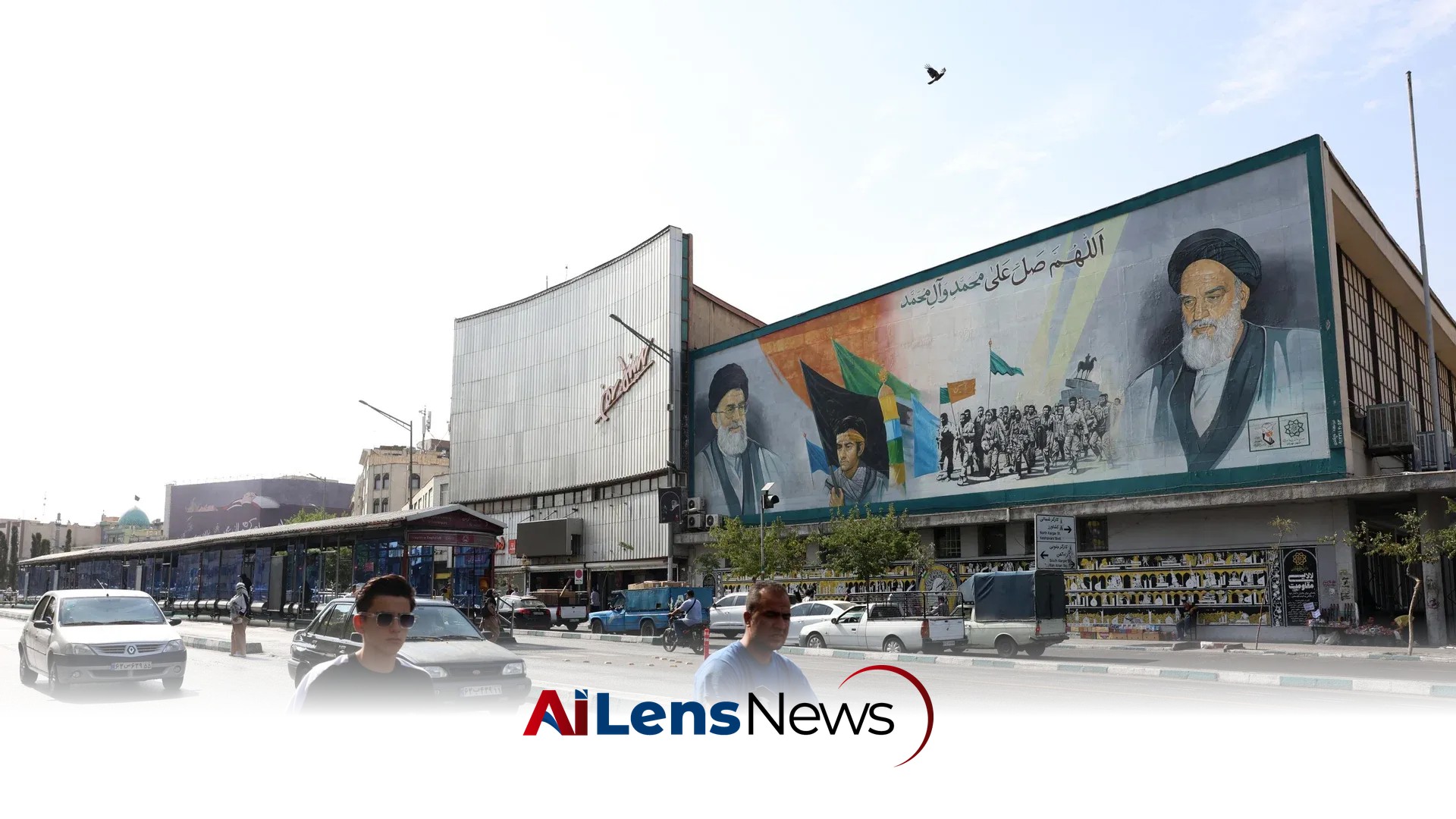


The US pauses strikes against Iran while Tehran signals restraint, amid discussions with Oman regarding maritime navigation in the Strait of Hormuz.
Singapore, Singapore Jul 26, 2026 ALN: The recent pause in military actions between the United States and Iran marks a significant moment in a long-standing and complex geopolitical conflict. The US had been engaged in a series of strikes against Iranian targets for nearly two weeks, a period characterized by heightened tensions and military posturing from both sides. This temporary cessation of hostilities raises questions regarding the strategic calculations of both nations and the broader implications for regional stability.
Since the onset of the US-Iran conflict, particularly following the US withdrawal from the Joint Comprehensive Plan of Action (JCPOA) in 2018, relations between the two nations have deteriorated significantly. The JCPOA, commonly known as the Iran nuclear deal, was an agreement aimed at curbing Iran's nuclear ambitions in exchange for sanctions relief. The US exit from the deal and the subsequent re-imposition of sanctions have led to a series of retaliatory measures from Iran, including increased military activities in the region and support for proxy groups.
The latest round of strikes by the US was reportedly aimed at Iranian military installations and assets believed to be involved in supporting proxy forces across the Middle East. These actions were part of a broader strategy by the Trump administration to counter what it perceives as Iranian aggression, particularly in the Strait of Hormuz, a crucial maritime chokepoint through which a significant portion of the world's oil supply is transported. The US has expressed concerns that Iranian actions in this area could threaten global energy security, prompting military responses.
During this period of increased military engagement, the US government has also been vocal about its intentions to maintain a strong military presence in the region. President Trump's statements, including references to being "locked and loaded," suggest a readiness to escalate military operations if necessary. However, the decision to pause strikes and engage in diplomatic talks with Oman indicates a recognition of the potential consequences of continued military action, including the risk of a broader conflict that could destabilize the region even further.
Iran's response to the US strikes has been measured, with officials indicating a strategic decision to refrain from immediate retaliatory actions. This pause may reflect a desire to explore diplomatic avenues, particularly in light of ongoing discussions with Oman regarding the Strait of Hormuz. Oman has historically played a mediating role in regional conflicts, and its involvement in facilitating talks between Iran and the US underscores the complexities of the situation.
The Strait of Hormuz is not only a vital shipping lane but also a focal point of geopolitical tensions. The waterway has been the site of numerous military confrontations and has significant implications for global oil markets. The recent escalation of hostilities has resulted in a near-total stoppage of traffic through the strait, exacerbating existing tensions and contributing to rising oil prices. Brent crude oil prices have surged, reflecting market concerns over supply disruptions resulting from ongoing conflicts in the region.
In parallel to the US-Iran tensions, the situation in Yemen has also intensified. The Iran-backed Houthi movement has escalated its military actions against Saudi Arabia, targeting oil facilities and maritime routes. This development adds another layer of complexity to the regional conflict, as the Houthis continue to assert their influence despite a prolonged civil war that has devastated Yemen. The Houthis' missile and drone attacks on Saudi facilities indicate their capability and willingness to strike at the heart of Saudi Arabia's oil infrastructure, further straining the already tenuous relations between the two nations.
The Saudi-led coalition's response to Houthi attacks, including airstrikes on Houthi military positions, highlights the ongoing cycle of violence in the region. The conflict in Yemen, which has persisted for over a decade, has resulted in a humanitarian crisis of catastrophic proportions, with millions of people facing famine and disease. The Houthis, who have managed to maintain control over significant portions of Yemen, receive substantial support from Iran, complicating efforts to resolve the conflict through diplomatic means.
As the US and Iran navigate this precarious situation, the potential for miscalculation remains high. The Trump administration's approach, characterized by a mix of military readiness and diplomatic overtures, reflects the challenges of balancing assertive foreign policy with the need for stability. The upcoming November midterm elections in the US may also influence the administration's decisions, as rising energy prices and the economic implications of conflict could have political ramifications.
In the context of these developments, the discussions between Iranian and Omani officials regarding maritime navigation in the Strait of Hormuz are particularly noteworthy. The emphasis on finding a solution to ensure the safety of shipping lanes reflects a recognition of the broader economic and political stakes involved. Egypt's involvement in these discussions underscores the regional dimension of the crisis, as neighboring countries seek to mitigate the impacts of escalating tensions.
The implications of the current pause in hostilities extend beyond immediate military considerations. The potential for renewed diplomatic engagement could pave the way for a reevaluation of US-Iran relations, particularly if both sides can find common ground on issues related to maritime security and regional stability. However, the underlying tensions and unresolved grievances remain significant obstacles to achieving a lasting resolution.
Ultimately, the situation in the region remains fluid, and the actions taken by both the US and Iran in the coming days and weeks will be crucial in determining the trajectory of this conflict. The delicate balance between military readiness and diplomatic engagement will play a critical role in shaping the future of US-Iran relations and the broader stability of the Middle East.
To learn more about the latest developments in Culture & Society, stay updated with our exclusive reports and analyses on AiLensNews.

