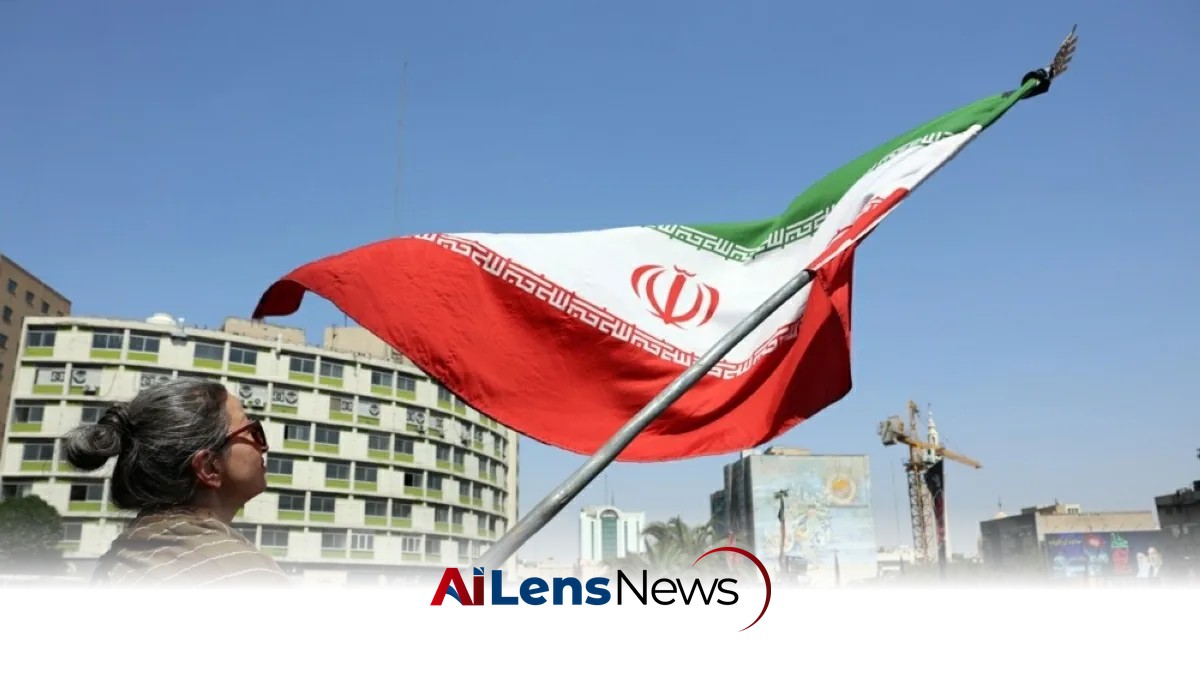


The US has paused airstrikes on Iran after nearly two weeks of bombing as diplomatic efforts intensify to prevent a return to full-scale conflict.
Riyadh, Saudi Arabia Jul 27, 2026 ALN: The United States has paused its airstrikes on Iran after nearly two weeks of escalating military action, as diplomatic efforts intensify to prevent a return to full-scale conflict. This decision marks a significant moment in a series of events that have heightened tensions in the region, particularly concerning the strategic Strait of Hormuz, a vital artery for global oil supply.
The cessation of U.S. strikes, which had persisted for 13 consecutive nights, raises hopes that this lull could create an opportunity for negotiations. President Donald Trump has continued to maintain a dual approach, warning that military action could resume if diplomatic efforts do not yield favorable results. The balancing act between military readiness and diplomatic engagement has been a hallmark of U.S. foreign policy in the region, particularly under the current administration.
The timing of this pause is particularly notable as Israeli Prime Minister Benjamin Netanyahu is expected to visit Washington next week. Netanyahu's visit adds another layer of complexity to the ongoing diplomatic efforts aimed at de-escalating the conflict, which will reach its five-month mark on Tuesday. Israel has historically been a key ally of the United States in the Middle East and has often been vocal about its concerns regarding Iran's military capabilities and regional ambitions.
Regional mediators have indicated that negotiations are ongoing to preserve the interim ceasefire that was reached in June. This ceasefire was intended to mitigate tensions and reduce hostilities in the region, particularly surrounding the Strait of Hormuz. The strategic waterway is crucial, as it is responsible for the transit of approximately one-fifth of the world's oil supply. Any disruptions in this area can have significant repercussions on global energy markets, driving up prices and affecting economies worldwide.
An official involved in the mediation efforts, who spoke on condition of anonymity due to the sensitive nature of the discussions, noted that both Washington and Tehran are eager to return to the ceasefire framework. They are reportedly discussing arrangements that would ease restrictions on commercial shipping through the Strait of Hormuz. This is a critical point, as the blockade and subsequent military actions have led to increased tensions and fears of an all-out conflict.
Iranian Foreign Ministry spokesperson Esmail Baghaei confirmed that Iranian and Omani officials held several rounds of technical talks over the weekend, indicating that discussions had made progress and would continue. The involvement of Oman, a neutral party in the region, suggests a willingness to facilitate dialogue and seek a peaceful resolution to the ongoing crisis.
The situation in the Strait of Hormuz has been particularly volatile since Iran began targeting commercial shipping in response to the conflict. Such actions have disrupted global energy supplies and contributed to rising oil prices, which have been a concern for many nations reliant on stable energy markets. In response to these provocations, the U.S. military expanded its campaign, shifting from targeting Iran's coastal defenses to striking deeper infrastructure within the country. This strategy aims to diminish Tehran's ability to threaten maritime traffic and assert its influence in the region.
Despite the ongoing diplomatic activity, tensions remain high across the region. The U.S. military recently reported that it had disabled a Mozambique-flagged vessel in the Gulf of Oman. This vessel allegedly attempted to violate a U.S. naval blockade of Iranian ports and ignored repeated warnings. Such incidents underscore the precarious nature of maritime security in the area and the potential for escalations that could lead to broader conflict.
President Trump has consistently paired military threats with calls for diplomacy, indicating a complex strategy that seeks to maximize leverage over Iran while simultaneously exploring avenues for negotiation. In remarks made to reporters in the Oval Office, Trump stated, "You can just keep doing exactly what we're doing and take them apart piece by piece. Or we can negotiate with them, which we're also doing right now." This dual strategy reflects the administration's approach to foreign policy, which often emphasizes strength and deterrence alongside dialogue.
Trump expressed skepticism about Iran's readiness to reach an agreement but suggested that Tehran appears to be taking negotiations more seriously as time progresses. He noted, "I think they're getting more and more serious as the days go by," which may indicate a shift in the Iranian position as the consequences of ongoing military actions and economic sanctions become increasingly apparent.
In a meeting on Friday with senior national security advisers, Trump reviewed the ongoing conflict and contemplated whether to maintain the current military posture or escalate operations further. This internal deliberation highlights the administration's ongoing assessment of the situation and the various factors at play, including geopolitical dynamics and domestic political considerations.
Despite concerns that rising fuel prices could negatively impact Republican candidates in the upcoming November midterm elections, Trump has insisted that political considerations will not dictate his decisions regarding military action. He stated, "We have to do it right. Elections take care of themselves," emphasizing his commitment to a strategy that prioritizes national security over electoral politics.
The implications of the current pause in airstrikes and the ongoing diplomatic discussions are significant. Should negotiations succeed, there may be a pathway to de-escalation and a potential resolution to the conflict that has plagued the region for months. Conversely, failure to reach an agreement could result in a resumption of hostilities, further destabilizing the Middle East and impacting global oil markets.
As the situation develops, the international community will be closely monitoring the actions of both the United States and Iran, as well as the responses of regional allies and adversaries. The outcome of these negotiations could shape not only U.S.-Iran relations but also the broader geopolitical landscape in the Middle East for years to come.
To learn more about the latest developments in Culture & Society, stay updated with our exclusive reports and analyses on AiLensNews.

