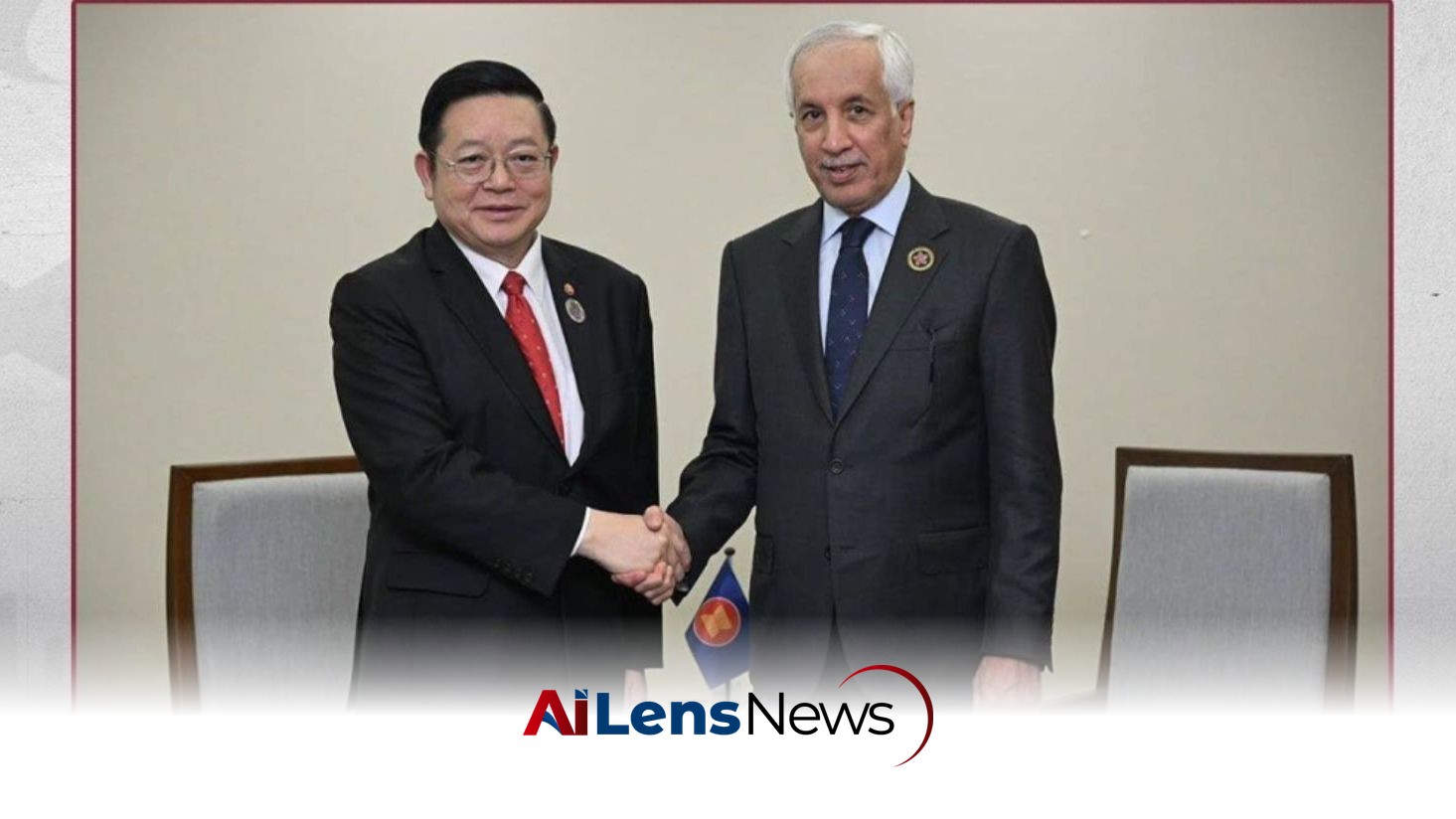


Qatar has been recognized as a sectoral dialogue partner by ASEAN, enhancing its diplomatic ties and cooperation with Southeast Asia.
Doha, Qatar Jul 24, 2026 ALN: Qatar has recently achieved sectoral dialogue partner status with the Association of Southeast Asian Nations (ASEAN), a significant milestone that underscores the Gulf nation's growing diplomatic and cooperative ties with the Southeast Asian region. This announcement was made at the conclusion of the 59th ASEAN Foreign Ministers’ Meeting held in Pasay City, Philippines, a gathering that highlights the ongoing discussions and collaborations among ASEAN member states and their external partners.
ASEAN, which comprises 11 member countries—Brunei, Cambodia, Indonesia, Laos, Malaysia, Myanmar, the Philippines, Singapore, Thailand, Timor-Leste, and Vietnam—has been a pivotal player in fostering regional cooperation and stability in Southeast Asia. The organization was established in 1967 with the aim of promoting political and economic cooperation, as well as regional peace and security. Over the years, ASEAN has expanded its engagement with various countries and international organizations, recognizing the importance of collaboration in addressing shared challenges and opportunities.
By achieving sectoral dialogue partner status, Qatar joins Germany as a new partner in this category, while Türkiye has been welcomed as ASEAN’s 12th dialogue partner. This expansion of partners indicates ASEAN's commitment to building a diverse network of relationships that can enhance regional development and cooperation across various sectors. The inclusion of Qatar reflects ASEAN's strategy to engage with nations that can contribute to its goals, particularly in economic growth and sustainability.
Philippine Foreign Affairs Secretary Ma. Theresa Lazaro emphasized the significance of Qatar’s new status, stating that it reflects the nation’s expanding engagement with ASEAN in areas such as diplomacy, development cooperation, and humanitarian assistance. This engagement is particularly important as ASEAN seeks to strengthen its global partnerships and enhance its role on the international stage. The recognition of Qatar as a sectoral dialogue partner is a testament to the nation’s diplomatic efforts and its desire to engage more deeply with the Southeast Asian region.
“This development demonstrates the continued confidence of our partners in ASEAN,” Lazaro remarked, further noting that Qatar's involvement supports the aspirations outlined in the ASEAN Community Vision 2045. This vision seeks to create a politically cohesive, economically integrated, and socially responsible ASEAN community by the year 2045, emphasizing the need for collaborative efforts to achieve sustainable development and resilience in the face of global challenges. The vision sets ambitious goals for ASEAN, including the promotion of inclusive economic growth, the strengthening of regional resilience to external shocks, and the enhancement of people-to-people connectivity.
The sectoral dialogue partner status allows Qatar to engage with ASEAN member states on specific priority areas of mutual interest. This framework for cooperation is designed to facilitate dialogue and collaboration in sectors such as trade, investment, education, tourism, and environmental sustainability. Such partnerships are increasingly vital in a globalized world, where nations must work together to address complex issues such as climate change, economic disparities, and security threats. The ability to engage in dialogue on these critical issues will enable both Qatar and ASEAN to leverage their strengths and address common challenges effectively.
Qatar's elevation to this status is a testament to its strategic foreign policy, which has increasingly focused on strengthening ties with countries beyond the Middle East. The Gulf nation has been actively seeking to diversify its international partnerships, particularly in Asia, where it sees significant economic and diplomatic opportunities. This approach aligns with Qatar’s broader vision of becoming a global hub for trade, finance, and culture. By fostering relationships with ASEAN, Qatar aims to enhance its influence in the region and contribute to regional stability and development.
As part of its engagement with ASEAN, Qatar has already been involved in various initiatives aimed at enhancing cooperation in sectors such as education and health. For instance, Qatar has made substantial investments in educational programs and institutions in Southeast Asia, promoting knowledge exchange and capacity building. These investments not only help elevate educational standards but also foster a sense of community and collaboration among nations. Additionally, Qatar’s commitment to humanitarian assistance has been evident through its support for various initiatives aimed at addressing regional challenges, including disaster response and public health crises. Such efforts are crucial in a region that frequently faces natural disasters and health emergencies.
The implications of Qatar's new status are multifaceted. For ASEAN, welcoming Qatar as a sectoral dialogue partner enhances the bloc's ability to engage with resource-rich nations, particularly in the energy sector. Qatar, known for its vast natural gas reserves, can play a crucial role in energy cooperation, which is a significant area of interest for many ASEAN countries looking to secure energy supplies and transition to more sustainable energy sources. The partnership could facilitate technology transfer and investment in renewable energy projects, aligning with ASEAN's goals of sustainable development and energy security.
Furthermore, Qatar's involvement in ASEAN could lead to increased trade and investment flows between the Gulf nation and Southeast Asian countries. The region has been experiencing robust economic growth, and Qatar's investment in infrastructure, technology, and other sectors could yield mutual benefits. As ASEAN countries continue to develop their economies, partnerships with nations like Qatar could help facilitate access to capital and expertise. This economic collaboration could also support ASEAN’s initiatives to enhance intra-regional trade and investment, which are essential for the bloc’s long-term economic resilience.
Moreover, Qatar's commitment to development cooperation aligns with ASEAN's goals of promoting sustainable development and reducing poverty in the region. The partnership could enable joint initiatives that address pressing issues such as food security, climate change, and public health, thereby contributing to the overall well-being of the ASEAN community. Collaborative projects could include agricultural development programs, climate adaptation strategies, and health initiatives aimed at improving public health outcomes across the region.
In conclusion, Qatar's achievement of sectoral dialogue partner status with ASEAN marks a significant step in its diplomatic journey and reinforces the importance of multilateral cooperation in addressing global challenges. As both Qatar and ASEAN move forward, this partnership has the potential to foster greater understanding, economic growth, and shared prosperity, ultimately contributing to a more interconnected and resilient global community. The evolving dynamics of international relations underscore the need for countries to work together to navigate the complexities of the modern world, and Qatar's engagement with ASEAN is a strategic move that reflects this reality.
To learn more about the latest developments in Culture & Society, stay updated with our exclusive reports and analyses on AiLensNews.

