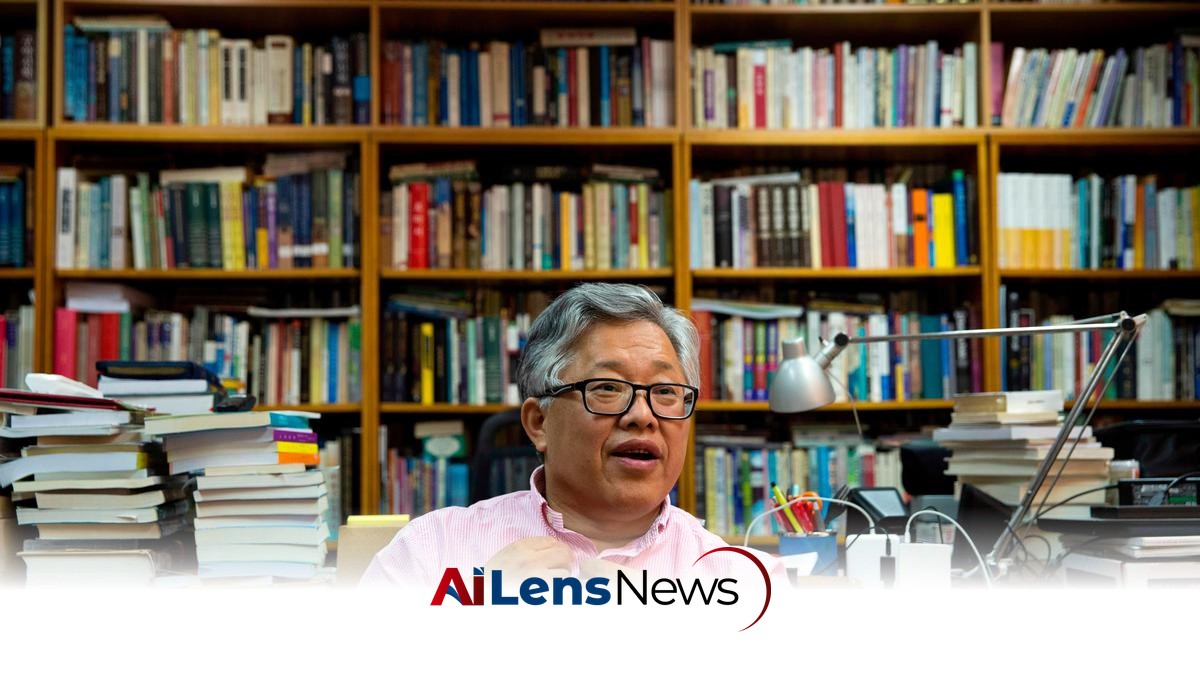


Pastor Ezra Jin Mingri of the underground Zion Church has been released from detention in China following a request by President Trump, reuniting him with his family in the US.
Washington DC, United States Jul 5, 2026 ALN: Pastor Ezra Jin Mingri, a prominent figure in the underground church community in China, has been released from prison less than two months after U.S. President Donald Trump highlighted his case during a meeting with Chinese President Xi Jinping in Beijing. This development is significant not only for the Jin family but also for the broader context of religious freedom and human rights in China.
Pastor Jin, who leads the underground Zion Church, was detained in October 2023 along with 17 other church leaders. This incident marked one of the most significant crackdowns on a single church in China in decades, raising alarms among human rights advocates regarding the Chinese government's increasing repression of religious practices. The arrest of Pastor Jin and his colleagues was part of a broader trend where authorities have intensified their efforts to control religious groups, especially those that operate outside the state-sanctioned religious framework.
The Zion Church, based in Beijing, has historically been known for its large congregations and its refusal to register with the government, which is a requirement for churches in China. The church's underground status has made it a target for governmental scrutiny, as the Chinese Communist Party (CCP) maintains strict regulations over religious practices to ensure they align with state ideologies. The crackdown on Zion Church is emblematic of the CCP's broader campaign against unregistered religious groups, which they often view as a threat to social stability and party authority.
Pastor Jin's release comes in the wake of international attention drawn to his situation following President Trump's remarks during his visit to China. The U.S. government has increasingly focused on human rights issues in its diplomatic engagements with China, particularly under the Trump administration. The mention of Pastor Jin's case by Trump is seen as part of a larger strategy to leverage diplomatic discussions to advocate for the rights of individuals persecuted for their beliefs. This approach reflects a shift in U.S. foreign policy, where human rights considerations are more prominently featured in bilateral relations.
Upon his release, Pastor Jin arrived in Los Angeles on July 4, where he was reunited with his family. Frances Hui, a representative from the Committee for Freedom in Hong Kong Foundation, expressed her joy over the pastor's freedom on social media, highlighting the emotional impact of his release on his family and supporters. The emotional reunion was also shared by the Inter-Parliamentary Alliance on China, a coalition of lawmakers from various countries advocating for human rights in China, which posted a photograph of Pastor Jin with his daughter, Grace Jin Drexel, both smiling after their separation.
The implications of Pastor Jin's release extend beyond his personal circumstances. It raises questions about the effectiveness of international pressure on the Chinese government regarding human rights issues. While his release is a positive outcome, it also underscores the precarious situation of religious freedom in China, where many other individuals and groups continue to face persecution. The Chinese government has a long history of detaining religious leaders and activists, often under the guise of maintaining social order. This pattern of behavior indicates that while some individuals may be released, the systemic issues of religious repression persist.
Moreover, the case of Pastor Jin highlights the complexities of U.S.-China relations. The interplay between trade, diplomacy, and human rights advocacy creates a challenging environment for policymakers. As the U.S. continues to engage with China on various fronts, the balancing act of promoting human rights while maintaining economic ties remains a contentious issue. The international community watches closely to see how the U.S. and other nations will respond to ongoing human rights abuses in China, particularly as the global landscape evolves.
In conclusion, Pastor Ezra Jin Mingri's release is a significant event that resonates with broader themes of religious freedom, human rights, and international diplomacy. While his return to his family is a cause for celebration, it also serves as a reminder of the ongoing struggles faced by many in China who seek to practice their faith freely. As advocates continue to push for change, the situation remains fluid, and the need for vigilance in protecting human rights becomes ever more critical.
The context surrounding Pastor Jin's release is important to understand. The Chinese government has faced increasing scrutiny from various international organizations and foreign governments regarding its treatment of religious minorities. Reports of detentions, forced conversions, and the destruction of places of worship have raised alarms globally, prompting calls for accountability and reform. The situation of religious freedom in China is complex, with the state often justifying its actions as necessary for national security and social cohesion.
In recent years, there has been a notable increase in the number of incidents involving the detention of religious leaders and followers, particularly those associated with underground or unregistered churches. The CCP's approach to religion is characterized by a desire to control and regulate religious practices, ensuring they align with the party's ideological framework. This has led to a chilling environment for many believers, who are forced to operate in secrecy to avoid persecution.
The implications of Pastor Jin's case extend to the broader discourse on human rights in China, where the government has been criticized for its lack of transparency and accountability. Human rights organizations have documented numerous cases of arbitrary detention and abuse, particularly in regions like Xinjiang and Tibet, where religious and ethnic minorities face heightened scrutiny. The international community's response to these issues has varied, with some countries taking a strong stance against human rights abuses while others prioritize economic relations over ethical considerations.
As the U.S. navigates its relationship with China, the balancing act between advocating for human rights and engaging in trade discussions remains a contentious issue. The Trump administration's approach to human rights in China marked a shift from previous administrations, placing greater emphasis on individual cases like that of Pastor Jin. This strategy reflects a growing recognition of the importance of human rights as a component of foreign policy, particularly in dealings with authoritarian regimes.
Looking ahead, the case of Pastor Jin serves as a reminder of the ongoing struggles faced by many in China who seek to practice their faith freely. The emotional reunion with his family is a poignant moment, yet it highlights the reality that many others remain imprisoned or persecuted for their beliefs. Advocacy efforts will likely continue, as organizations and individuals work to raise awareness and push for reforms in China’s treatment of religious groups.
In summary, while Pastor Jin's release is a cause for celebration, it also underscores the broader challenges of religious freedom and human rights in China. The international community must remain vigilant in its efforts to hold the Chinese government accountable for its actions, ensuring that the rights of all individuals are respected and upheld. The situation remains fluid, and the need for continued advocacy and engagement is critical in the ongoing fight for religious freedom in China.
To learn more about the latest developments in Regions & Countries, stay updated with our exclusive reports and analyses on AiLensNews.

