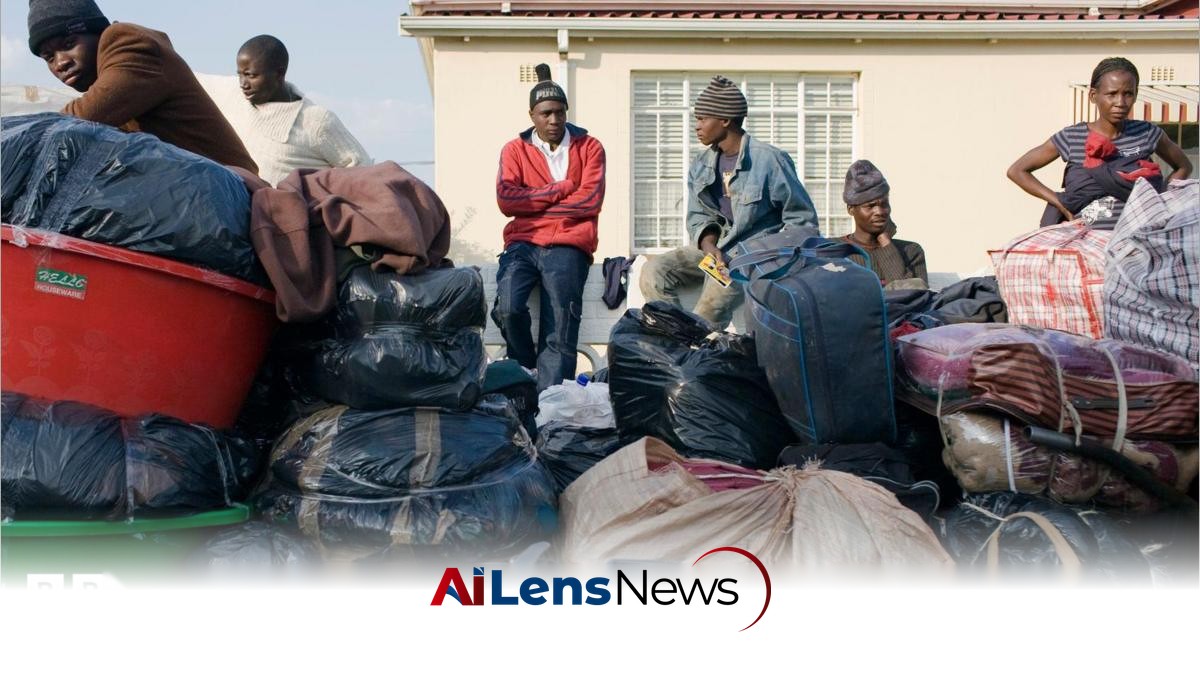


Nigeria plans to pursue compensation from South Africa for properties left behind by citizens fleeing recent anti-migrant protests.
New Delhi, India Jul 2, 2026 ALN: Nigeria says it will seek compensation from South Africa for its citizens who have left the country following recent protests targeting undocumented migrants.
Foreign ministry spokesperson Kimiebi Imomotimi Ebienfa told the BBC that the issue would be discussed between the two governments "at the highest levels." This statement underscores the seriousness with which Nigeria is approaching the situation, particularly as it pertains to the safety and rights of its citizens abroad. The diplomatic dialogue between the two nations is expected to address the broader implications of the protests and the treatment of migrants in South Africa.
Acting High Commissioner to South Africa Alexander Ajayi stated on local television that the government had begun documenting businesses and properties left behind by Nigerians. This initiative is crucial for establishing a formal record of the losses incurred by Nigerian nationals, which could be pivotal in any future compensation discussions. The documentation process involves gathering information about the nature of the businesses, their location, and the estimated value of the abandoned properties, which could potentially strengthen Nigeria's case for compensation.
One Nigerian trader waiting to be repatriated shared his experience, stating he had lived in South Africa for nearly a decade and had abandoned his business and home due to safety concerns. Oghodero Erejor Wilson, 32, expressed his distress, saying he was losing "everything because of fear" and added, "I left everything in my house including clothes." This personal account highlights the emotional and financial toll that the recent unrest has had on individuals, forcing them to make difficult decisions about their lives and livelihoods.
Wilson is among hundreds of Nigerians still waiting to be evacuated from South Africa, with over 600 already repatriated in recent weeks. The evacuation process is a response to the increasing fears for the safety of Nigerian nationals, and it reflects a broader trend of migration patterns influenced by socio-political factors in host countries. The South African authorities contend that those who have been flown home were in the country illegally, a claim disputed by Nigeria. This disagreement points to the complexities of immigration status and the often fraught relationship between host nations and migrant communities.
Approximately 25,000 nationals from other African countries have also left South Africa following a wave of protests demanding that the government take stronger action against illegal migration. The protests have been fueled by a growing sentiment among some South African citizens that undocumented migrants are taking jobs and resources away from locals, leading to heightened tensions and calls for government intervention.
Some anti-migrant groups issued a deadline of June 30 for undocumented foreigners to leave the country, organizing marches attended by thousands, which were largely peaceful but included isolated incidents of violence against foreigners. The South African police reported around 900 arrests, primarily for immigration-related offenses and looting. These statistics indicate a significant law enforcement response to the protests, reflecting the government's attempts to manage public sentiment while addressing the complexities of immigration enforcement.
The BBC has sought comments from South Africa's government regarding Nigeria's compensation demand. The response from South African authorities will be crucial in determining the next steps in this diplomatic situation. Both governments are likely aware that how they handle this issue could impact their bilateral relations and the perception of their respective nations on the international stage.
Nigeria's acting high commissioner emphasized the need for Nigerians who left South Africa to accurately document the properties they abandoned, including businesses and vehicles. This process is not just about compensation; it is also about ensuring that the rights of Nigerian citizens are upheld and that they are able to seek redress for their losses. Ebienfa reiterated that all claims would be verified before any formal request for compensation was made, highlighting the importance of due diligence in the diplomatic process.
"We have not severed ties with South Africa; we are still engaging them at the highest level, and we will sort those details using our usual diplomatic channels," he stated. This commitment to maintaining diplomatic relations is significant as it reflects a desire for continued dialogue and cooperation, even in the face of challenges. The implications of this situation extend beyond immediate concerns about compensation; they touch upon broader issues of migration policy, human rights, and regional stability.
Wilson, the trader, mentioned that he had operated a clothing business in Centurion, Gauteng province, for several years but had to close his shop and seek refuge near the Nigerian High Commission in Pretoria. His case is emblematic of the plight faced by many migrants who find themselves caught in a cycle of fear and uncertainty. He is scheduled to leave on the next repatriation flight to Nigeria and estimates that the goods left in his shop are worth over 16,000 rand ($975; £735). This amount, while significant to Wilson, also raises questions about the economic impact of such losses on the broader community of Nigerian expatriates in South Africa.
Wilson's residency documents expired in 2021, and he has been unable to renew them. He expressed skepticism about receiving compensation, stating, "If the South African government can compensate, it will be nice, but I know they won't." His doubts reflect a common sentiment among migrants who often feel vulnerable and powerless in the face of bureaucratic processes and government policies that may not always prioritize their welfare.
The situation remains tense as both governments navigate the complexities of migration and safety concerns. The outcome of these discussions could have lasting implications not only for the individuals affected but also for the future of Nigerian-South African relations. As both countries work to address these challenges, the need for a comprehensive approach to migration that considers the rights and safety of all individuals involved will be paramount. The evolving dynamics of migration in Southern Africa will continue to be influenced by socio-economic factors, public sentiment, and government policies, making it a critical area for ongoing observation and analysis.
To learn more about the latest developments in Migration & Refugees, stay updated with our exclusive reports and analyses on AiLensNews.

