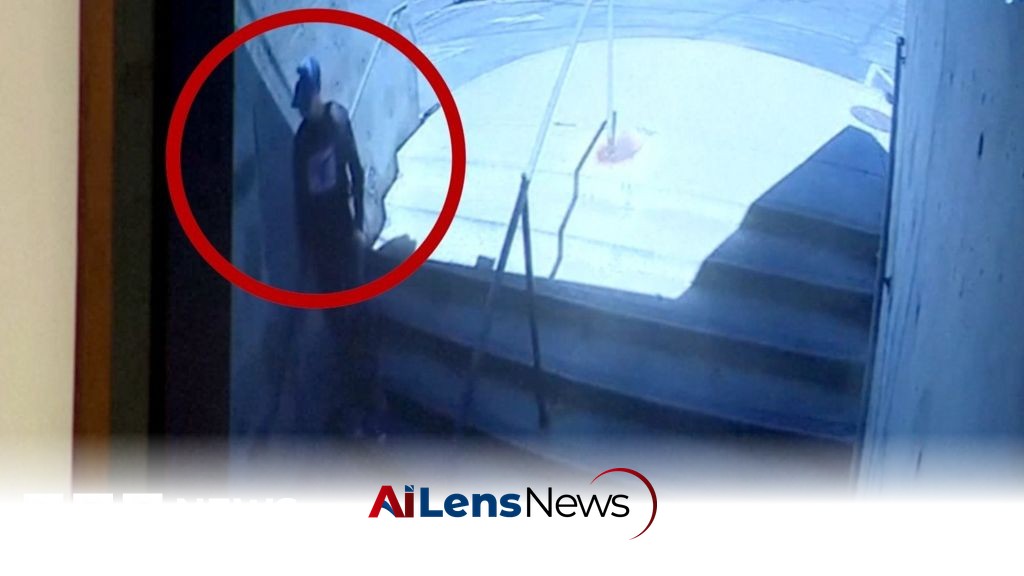


Surveillance footage released by prosecutors shows Tyler Robinson, accused of killing Charlie Kirk, walking through a parking garage.
New Delhi, India Jul 8, 2026 ALN: Prosecutors on Tuesday released new surveillance footage that they say shows Tyler Robinson, the man accused of killing Charlie Kirk. The footage has become a focal point in the ongoing legal proceedings, as it is believed to provide critical insight into Robinson's actions leading up to the alleged crime. The release of this video comes amid heightened public interest and scrutiny surrounding the case, which has drawn attention not only for its violent nature but also for the broader implications it holds regarding gun violence and public safety.
Agent David Hull described the footage, which appeared to show Robinson driving a vehicle and walking through a parking garage. The visual evidence is expected to play a significant role in the prosecution's case, as they seek to establish a comprehensive timeline of events that culminated in the shooting incident. This timeline is essential for the jury to understand the context of the actions taken by Robinson, as well as to assess the motivations behind them. Establishing a clear sequence of events is critical in criminal cases, especially those involving violent actions, as it helps to clarify whether the accused acted with intent or in a moment of panic.
The video is part of the evidence being presented in the preliminary hearing for Robinson, who faces serious charges in connection with the shooting incident. Preliminary hearings are crucial as they serve to determine whether there is sufficient evidence to proceed to trial. During these hearings, the prosecution must present enough evidence to convince the judge that there is probable cause to believe that a crime has been committed and that the defendant committed it. This stage of the legal process is often a critical juncture, as it can set the tone for the trial itself and influence how both the public and the media perceive the case.
As the case unfolds, the prosecution aims to establish a timeline of events leading up to the shooting, and this footage is a crucial piece of that puzzle. The ability to visualize the actions of the accused prior to the incident may help to clarify the circumstances under which the shooting occurred. This is particularly important in cases involving gun violence, where the details can often be murky and subject to interpretation. The prosecution's strategy will likely hinge on presenting a narrative that not only connects Robinson to the crime but also emphasizes any premeditated actions that could suggest intent.
Robinson's defense team has yet to respond to the latest evidence, but they have previously questioned the reliability of surveillance footage in similar cases. Defense attorneys often argue that such footage can be misleading, as it may not capture the full context of a situation. Factors such as camera angles, lighting, and the quality of the video can all affect how events are perceived. The defense may seek to challenge the prosecution's interpretation of the footage, arguing that it does not conclusively prove Robinson's guilt. This aspect of the defense strategy highlights a common legal debate regarding the weight of visual evidence versus testimonial evidence in establishing a defendant's guilt or innocence.
In addition to the video evidence, the court is expected to hear testimonies from witnesses who were present during the incident. Witness testimonies can be pivotal in criminal cases, as they provide firsthand accounts of the events in question. The credibility and reliability of these witnesses will be scrutinized, as their statements can significantly influence the outcome of the case. The prosecution will aim to present a cohesive narrative that aligns with the video evidence, while the defense may seek to undermine the reliability of witness accounts. This interplay between eyewitness testimony and video evidence is a critical aspect of modern criminal trials, as jurors are often tasked with reconciling conflicting narratives.
The shooting has garnered significant media attention, raising questions about public safety and the circumstances surrounding the event. In recent years, incidents of gun violence have become increasingly prevalent in various communities, prompting discussions about the effectiveness of current gun control measures and the need for reform. The public's reaction to such incidents often reflects a broader concern regarding safety, particularly in urban areas where gun violence can have a devastating impact on local populations. This case is likely to reignite debates about gun legislation, particularly in light of its high-profile nature and the tragic loss of life involved.
As the preliminary hearing continues, both sides will present their arguments, and the judge will determine whether there is enough evidence for the case to proceed to trial. This decision is critical, as a ruling in favor of the prosecution could lead to a lengthy trial process, while a dismissal of charges could raise further questions about the adequacy of the evidence presented. The implications of this case extend beyond the courtroom, as it may influence public perceptions of gun violence and the legal system's ability to address such issues effectively. The outcome could also affect future legislative efforts aimed at curbing gun violence, depending on how the public and lawmakers react to the proceedings.
This incident has sparked discussions about gun violence and its impact on communities, highlighting the need for ongoing dialogue and potential policy changes. Advocates for gun control argue that stricter regulations are necessary to prevent similar incidents from occurring in the future. They contend that measures such as background checks, restrictions on high-capacity magazines, and limitations on certain types of firearms could help reduce the frequency of gun violence. On the other hand, opponents of gun control often emphasize the importance of individual rights and the need for responsible gun ownership. This dichotomy in views underscores the complexity of the gun control debate, which often pits public safety against personal freedoms.
In the coming days, more evidence and testimonies are anticipated, which could further shape the narrative of this high-profile case. The legal proceedings will likely continue to attract media coverage and public interest, as the outcome may have implications for future cases involving gun violence. Additionally, the case may serve as a catalyst for renewed discussions about the societal factors contributing to gun violence, including mental health issues, socioeconomic disparities, and the role of community resources in addressing these challenges. The intersection of gun violence with mental health and economic conditions is an area that has gained increasing attention in recent years, as stakeholders look for comprehensive solutions to a multifaceted problem.
Ultimately, the unfolding of this case will not only determine the fate of Tyler Robinson but also contribute to the ongoing national conversation about gun violence, public safety, and the effectiveness of the legal system in addressing these pressing issues. As the preliminary hearing progresses, stakeholders from various sectors, including law enforcement, community leaders, and policymakers, will be closely watching the developments, hoping for a resolution that promotes justice and safety for all members of society. The implications of this case may extend to future legal standards regarding the admissibility of evidence, the treatment of defendants in cases of violent crime, and the overall approach to handling gun-related incidents in the judicial system.
To learn more about the latest developments in Wars & Conflicts, stay updated with our exclusive reports and analyses on AiLensNews.

