

Kuwait's diplomat describes Iranian attacks on Gulf states as unprecedented, urging diplomatic efforts to address escalating violence in the region.
Kuwait City, Kuwait Jul 22, 2026 ALN: The recent wave of Iranian attacks targeting Kuwait, Bahrain, and Jordan has been described as an "unprecedented" escalation of violence in the Middle East. This assertion was made by a Kuwaiti diplomat, who condemned what he characterized as intransigent behavior from Tehran. The implications of these attacks are significant, not only for the immediate countries involved but also for the broader geopolitical landscape of the region.
The attacks have prompted urgent discussions among Gulf Cooperation Council (GCC) states, aimed at fostering dialogue and ensuring a united front against perceived threats to their security and stability. Kuwait’s Permanent Representative to the United Nations and other International Organizations, Ambassador Nasser Al-Hayn, emphasized the necessity of diplomacy in mitigating the risk of further violence. This highlights a growing concern among Gulf nations regarding Iran's military actions and their potential to destabilize the region.
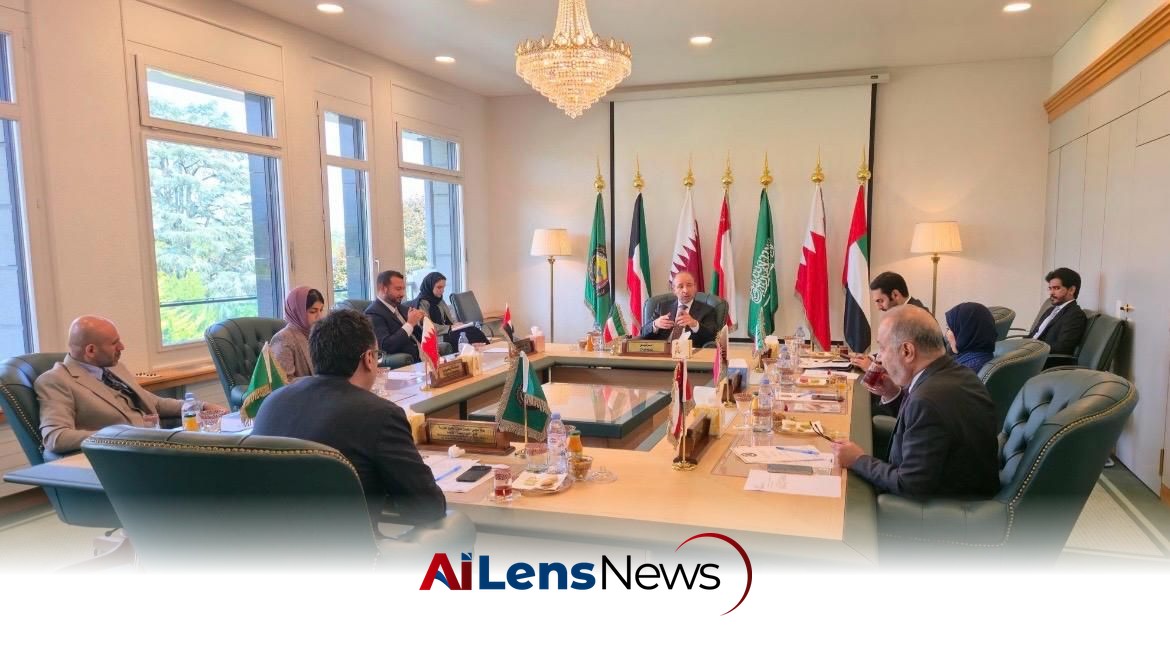
The emergency talks convened in Geneva were initiated by Kuwait and involved discussions with Gulf Arab counterparts to assess the situation and formulate a coordinated response. The GCC, comprised of six member states—Kuwait, Saudi Arabia, the United Arab Emirates, Qatar, Bahrain, and Oman—has historically prioritized collective security. The current situation represents a critical juncture for the bloc as it navigates the complexities of regional politics and security threats.
Ambassador Al-Hayn specifically criticized Iran for its targeting of vital civilian infrastructure, including power and water desalination plants in Kuwait. He described these facilities as the "pulse of life" for the population, underscoring the severe implications that continued attacks could have on the civilian population's well-being. The targeting of such critical infrastructure raises serious humanitarian concerns, as it not only endangers lives but also disrupts essential services that are crucial for daily living.
In response to these provocations, Kuwait has expressed its intention to enhance diplomatic efforts aimed at halting Iranian transgressions. The Kuwaiti envoy pointed to the role of international organizations, including the UN Human Rights Council and the World Health Organization, in condemning Iran's actions, which are seen as a blatant disregard for international law. This appeal to international bodies reflects a recognition of the need for a broader coalition to address security issues in the region.
The security dynamics of the GCC member states are deeply interconnected with those of their neighboring Arab nations. Al-Hayn articulated that any threat to the security and stability of one member state is, in effect, a threat to the entire region. This statement underscores the collective responsibility that GCC states feel towards one another, fostering a sense of solidarity in the face of external aggression. The historical context of the GCC's formation, rooted in mutual defense and economic cooperation, reinforces the significance of this solidarity.
Furthermore, the international community's role in addressing these tensions cannot be overstated. Al-Hayn urged for decisive intervention to put an end to the attacks, indicating that the GCC is not only looking to bolster its internal cohesion but also seeking external support to mitigate the threat posed by Iran. The involvement of global powers and international organizations can be crucial in facilitating dialogue and potentially de-escalating the situation.
The geopolitical implications of the Iranian attacks extend beyond the immediate conflict. The Middle East has long been a focal point of international interest, with various global powers vying for influence. The actions taken by Iran are likely to be viewed through the lens of its broader regional ambitions, which include establishing a sphere of influence across Iraq, Syria, Lebanon, and Yemen. This has historically led to heightened tensions with Gulf Arab states, particularly Saudi Arabia, which views Iranian expansionism as a direct threat to its own national security.
Moreover, the ongoing tensions between Iran and the United States, particularly following the U.S. withdrawal from the Joint Comprehensive Plan of Action (JCPOA), have exacerbated the situation. The GCC states, including Kuwait, find themselves navigating a complex landscape where they must balance their relationships with both Iran and Western powers. The potential for miscalculations or escalations in this charged environment poses a significant risk to regional stability.
In light of these developments, the GCC's response will likely involve a combination of diplomatic engagement and military preparedness. The bloc's historical reliance on collective defense mechanisms may be tested as member states consider their options in the face of Iranian aggression. The situation calls for a careful assessment of both immediate and long-term strategies to ensure the security and stability of the region.
As the situation continues to evolve, it remains crucial for the international community to monitor developments closely. The potential for further escalation is significant, and the consequences of inaction could be dire not only for the countries directly involved but for the broader Middle East and beyond. The need for a unified response, both regionally and internationally, is more pressing than ever as the GCC seeks to navigate the challenges posed by Iranian actions.
In conclusion, the Iranian attacks on Kuwait, Bahrain, and Jordan mark a significant escalation in regional tensions that necessitate urgent diplomatic efforts and a cohesive response from Gulf Arab states. The implications of these events will likely resonate throughout the Middle East, shaping the geopolitical landscape for years to come. The ongoing dialogue among GCC members and their engagement with the international community will be critical in addressing the multifaceted challenges posed by Iran's actions and ensuring the stability of the region.
To learn more about the latest developments in Culture & Society, stay updated with our exclusive reports and analyses on AiLensNews.

