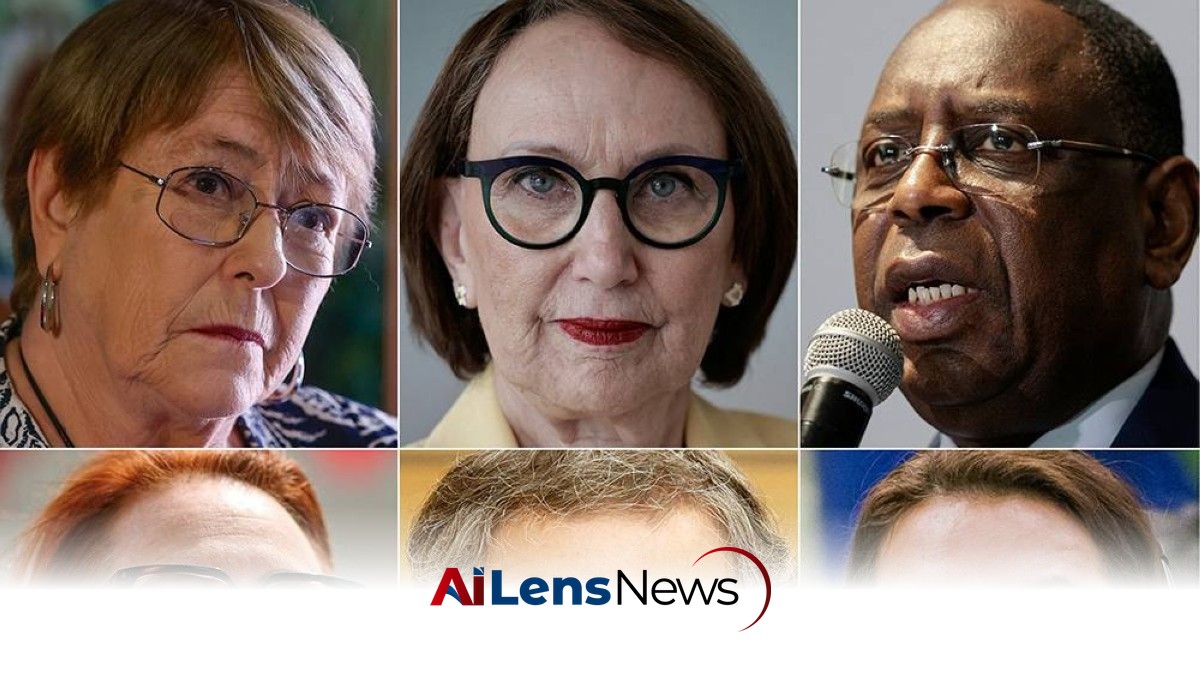


Six candidates vying to succeed Antonio Guterres will debate in the UN General Assembly Hall, addressing crucial global issues ahead of the selection process.
Kuwait City, Kuwait Jul 23, 2026 ALN: The six candidates for United Nations secretary-general will debate Thursday in the symbolic General Assembly Hall, one week before the formal start of a selection process crucial to an organization in deep crisis.
With the campaign lacking a clear favorite and struggling to generate real enthusiasm, the hopefuls will face 90 minutes of questions from diplomats, UN employees, and civil society representatives at an event starting at 5:00 pm (2100 GMT) and broadcast by Bloomberg.
Chile’s Michelle Bachelet, Ecuador’s Maria Fernanda Espinosa, Rafael Grossi of Argentina, Costa Rican Rebeca Grynspan, Guyana’s Carolyn Rodrigues-Birkett, and Macky Sall of Senegal are all in the running to succeed outgoing Secretary-General Antonio Guterres.
“This UN town hall will ... provide a rare opportunity to engage with the ideas, priorities, and leadership vision of the candidates for one of the world’s most important positions,” General Assembly President Annalena Baerbock said.
“In an increasingly fragmented world, the United Nations needs not only an exceptional chief administrator who will make the organization fit for the 21st century but also the leadership and integrity of someone willing to vigorously defend the UN Charter and all its three pillars,” she added.
The United Nations is facing a profound financial and confidence crisis, with US President Donald Trump’s administration accusing it of spending recklessly, spreading itself too thin, and failing to deliver satisfactory results.
The United States is therefore demanding a return to the organization’s fundamental purposes of peace and security, while other states stress the equal importance of its other two pillars: human rights and development.
No missteps
Against this backdrop, “the race does seem short on energy” compared with the livelier 2016 campaign, which had “more candidates and lots of intrigue” before Guterres was ultimately selected, International Crisis Group analyst Richard Gowan told AFP.
“This time around everyone agrees that the race is incredibly important for the future of the UN, but the contest itself has been quite cautious,” he added. “There is a sense that the candidates are treading carefully to avoid offending the US and other veto powers.”
The candidates have already faced three hours of questioning each from representatives of the 193 UN member states.
Most stressed the need to continue the organization’s ongoing reforms to make it more efficient, as well as the importance of greater involvement by the secretary-general in peace efforts around the world.
On July 30, the 15 members of the Security Council are due to hold their first closed-door, anonymous vote on their preferences among the candidates.
That first “straw poll” will be followed by an unspecified number of similar votes until one candidate can secure the required nine votes without a veto from any of the five permanent members.
The name of the selected candidate will then be sent to the General Assembly for the formal appointment to the position. He or she will take office on January 1, 2027. Several diplomats interviewed by AFP were cautious about the outcome of the race, saying a number of capitals had yet to make their choice.
“I find that Grossi is still the mostly frequently mentioned front-runner, but he has not locked the race up. Other candidates like Grynspan and Rodrigues-Birkett also have significant numbers of admirers,” Gowan said, noting that a dark horse candidate could still emerge.
Many names are still circulating in UN corridors and the media, notably that of FIFA president Gianni Infantino, whom Trump would reportedly like to see take the helm of the UN, according to the New York Post.
Under a tradition of geographic rotation that is not always followed, Latin America is making a claim to the post this time. Many states are also calling for a woman to hold the position for the first time.
The United Nations, established in 1945, has been a cornerstone of international diplomacy and cooperation, aiming to promote peace, security, and human rights globally. The role of the Secretary-General is pivotal, serving as the chief administrative officer of the organization and representing the UN to the world. The selection process for this role has evolved over the years, but it remains steeped in political considerations, often influenced by the interests of powerful member states.
The current Secretary-General, Antonio Guterres, has faced numerous challenges during his tenure, including escalating global conflicts, climate change, and the COVID-19 pandemic. His leadership has been characterized by efforts to reform the UN and enhance its relevance in a rapidly changing geopolitical landscape. The upcoming selection will not only determine his successor but could also set the tone for the UN's future direction amid increasing skepticism about its effectiveness.
The debate among the candidates is expected to highlight their visions for addressing the UN's pressing challenges, including how to manage international crises, promote sustainable development, and uphold human rights. Each candidate brings a unique background and perspective, shaped by their experiences in government, diplomacy, and international organizations.
Michelle Bachelet, a former president of Chile and UN High Commissioner for Human Rights, has been a vocal advocate for social justice and human rights, emphasizing the need for the UN to prioritize these issues in its agenda. Maria Fernanda Espinosa, who previously served as President of the UN General Assembly, has a strong background in diplomacy and international relations, advocating for multilateralism and cooperation among nations.
Rafael Grossi, the Director General of the International Atomic Energy Agency (IAEA), has been at the forefront of global nuclear non-proliferation efforts and could bring a focus on security and disarmament to the UN's agenda. Rebeca Grynspan, the first woman to head the Ibero-American General Secretariat, has extensive experience in economic development and could emphasize the importance of sustainable development in the UN's work.
Carolyn Rodrigues-Birkett, a seasoned diplomat from Guyana, has been involved in various UN initiatives and could advocate for small island developing states and their unique challenges. Macky Sall, the President of Senegal, brings a perspective from Africa and could focus on issues relevant to the continent, including peacekeeping and development.
As the candidates prepare for the debate, their ability to articulate their visions and respond to pressing questions will be critical in shaping their prospects. The outcome of this selection process will not only impact the leadership of the UN but also influence global perceptions of the organization and its capacity to address the myriad challenges facing humanity today.
The implications of this selection extend beyond the UN itself. The next Secretary-General will need to navigate complex relationships with member states, especially the five permanent members of the Security Council, who hold veto power and significantly influence the UN's operations. The ability to foster cooperation and consensus among these powers will be essential for the new leader to effectively advocate for the UN's mission and values.
In conclusion, the upcoming debate represents a critical moment in the selection process for the next Secretary-General of the United Nations. As the candidates present their visions and priorities, the stakes are high for the future of the UN and its role in a world increasingly characterized by division and conflict. The outcome of this race will not only determine the individual who will lead the organization but also the direction it will take in addressing the pressing challenges of our time.
To learn more about the latest developments in Culture & Society, stay updated with our exclusive reports and analyses on AiLensNews.

