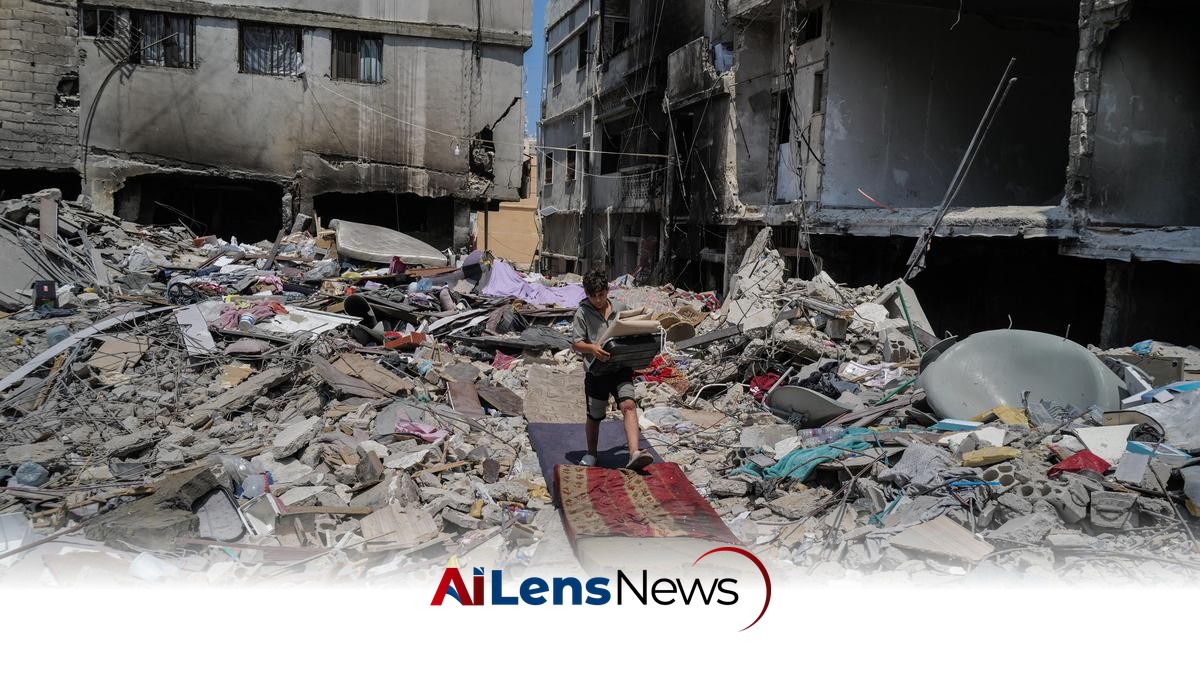


An Israeli drone strike in southern Lebanon has resulted in four fatalities, escalating tensions amid ongoing ceasefire negotiations involving Iran and the U.S.
Lebanon, Lebanon Jul 7, 2026 ALN: The recent Israeli drone strike that resulted in the deaths of four individuals in Nabatieh, a region in southern Lebanon, has raised significant concerns regarding the ongoing tensions in the area. This incident, reported by Lebanon's state news agency, is characterized as one of the deadliest attacks in recent weeks, highlighting the fragile security situation in southern Lebanon, which has long been a flashpoint for conflict involving Israel and Hezbollah, the Iran-backed militant group.
The drone strike reportedly targeted a vehicle, although details regarding the identities of the deceased and the circumstances surrounding the attack remain sparse. The Israeli military has acknowledged the incident and stated that it is currently investigating the reports, which is a standard procedure following any military operation that results in casualties. The lack of immediate clarity about the strike's motivations or the identities of those killed has led to speculation and concern among local and international observers.
Southern Lebanon has been a contested area for decades, particularly since Israel's withdrawal from the region in 2000 after a prolonged occupation that began in 1982. The relationship between Israel and Hezbollah has been marked by periodic escalations, with the most significant conflict occurring in 2006, which resulted in widespread devastation in Lebanon and significant casualties on both sides. The recent tensions have been exacerbated by broader geopolitical dynamics, particularly involving Iran, the United States, and their respective allies.
The current hostilities can be traced back to March 2, when Hezbollah launched an attack on Israel following a series of U.S.-Israeli strikes targeting Iranian interests in the region. This marked a significant escalation in the ongoing conflict, which has seen both sides exchanging fire and engaging in military maneuvers that threaten to destabilize the already volatile region further.
In the weeks leading up to the drone strike, there had been a noticeable decrease in hostilities, which many attributed to diplomatic efforts aimed at de-escalation. Iran had reportedly insisted on a ceasefire in Lebanon as part of broader negotiations with the United States, which had led to a temporary lull in military operations. This period of reduced tension was seen as a potential opportunity for dialogue and peace, but the recent attack has called into question the sustainability of such efforts.
Furthermore, an interim agreement between the United States and Iran, signed last month, mandates that both nations and their allied forces cease military operations across various fronts, including Lebanon. This agreement was viewed as a critical step towards stabilizing the region, yet the recent drone strike undermines the progress made in diplomatic discussions. The implications of this incident could be far-reaching, potentially reigniting hostilities between Israel and Hezbollah and complicating the already intricate relationships among regional and international actors.
The situation is further complicated by the internal dynamics within Lebanon, where Hezbollah is a significant political and military force. The group has considerable support among the Lebanese population, particularly in the Shiite community, and its actions are often viewed through the lens of resistance against Israeli aggression. However, the Lebanese government has been under pressure to manage the relationship with Hezbollah and address the broader implications of Iranian influence in the country.
As the international community watches closely, the potential for escalation remains high. The drone strike could provoke a retaliatory response from Hezbollah, which might lead to further military engagements and a cycle of violence that could have devastating consequences for civilians in the region. Humanitarian concerns are paramount, as any military escalation risks exacerbating the already dire conditions faced by many in southern Lebanon, where infrastructure is fragile, and access to basic services is limited.
In conclusion, the Israeli drone strike that killed four individuals in Nabatieh serves as a stark reminder of the precarious security situation in southern Lebanon and the broader implications of regional tensions. As diplomatic efforts to stabilize the situation continue, the actions of both Israel and Hezbollah will be closely scrutinized, as any miscalculation could lead to a significant escalation of conflict in an already volatile region. The international community must remain engaged, advocating for dialogue and restraint to prevent further loss of life and to seek a lasting resolution to the underlying issues that fuel the conflict.
To understand the broader context of this incident, it is essential to consider the historical backdrop of Israeli-Lebanese relations. The Israeli occupation of southern Lebanon from 1982 until 2000 was marked by numerous military confrontations and significant civilian suffering. The withdrawal of Israeli forces was intended to bring peace, but it instead led to the rise of Hezbollah as a formidable military and political entity, often positioning itself as a defender of Lebanese sovereignty against perceived Israeli aggression.
Hezbollah's military capabilities have been bolstered by support from Iran, which has provided the group with advanced weaponry and training. This relationship has been a point of contention for Israel and its allies, particularly the United States, which views Hezbollah as a terrorist organization and a proxy for Iranian influence in the region. The U.S. has consistently supported Israel's right to defend itself, often justifying military actions against Hezbollah as necessary for national security.
The geopolitical landscape further complicates the situation, as various regional players, including Syria and Iran, have vested interests in Lebanon. The Syrian civil war has had spillover effects in Lebanon, with Hezbollah actively supporting the Assad regime, which has strained its relations with other Lebanese factions. Moreover, the ongoing U.S.-Iran tensions, particularly surrounding Iran's nuclear program and its military activities in the region, add another layer of complexity to the already fraught Israeli-Lebanese dynamic.
The recent drone strike in Nabatieh could potentially serve as a catalyst for a broader military confrontation, reminiscent of the 2006 war, which saw widespread destruction and loss of life. The international community's response to this incident will be critical in shaping the future of the region. Diplomatic efforts must prioritize de-escalation and conflict resolution, recognizing that military solutions have historically led to further cycles of violence and instability.
As the situation unfolds, the humanitarian impact cannot be overlooked. Southern Lebanon has faced significant challenges, including economic hardship, displacement, and limited access to healthcare and education. The potential for renewed conflict threatens to exacerbate these existing issues, making it imperative for international organizations and governments to provide humanitarian assistance and support peace-building initiatives.
In summary, the Israeli drone strike in Nabatieh underscores the precarious nature of security in southern Lebanon and the intricate web of regional dynamics that influence the conflict. The actions of both Israel and Hezbollah, along with the responses from the international community, will play a crucial role in determining whether this incident leads to further escalation or a renewed commitment to peace and stability in the region.
To learn more about the latest developments in Wars & Conflicts, stay updated with our exclusive reports and analyses on AiLensNews.

