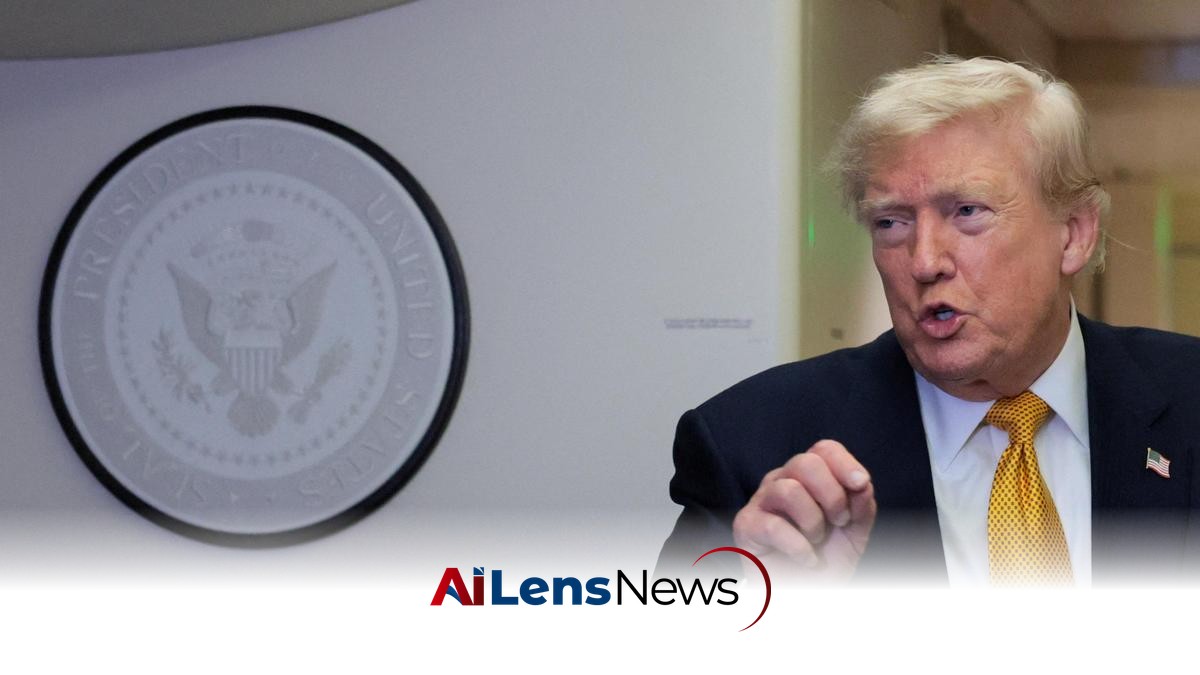


Israel has alerted the U.S. about a new Iranian plot to assassinate President Trump, raising concerns of escalating tensions in the Gulf region.
Washington DC, United States Jul 10, 2026 ALN: Israel has reportedly shared intelligence with the United States regarding a new and specific plan orchestrated by Iran to assassinate President Donald Trump. This alarming development was highlighted in various U.S. media reports on July 9, 2026, and has raised significant concerns about escalating tensions between the U.S. and Iran, particularly in the context of recent military confrontations.
The intelligence shared by Israel comes at a time of heightened alertness regarding potential threats to U.S. leadership. Reports indicate that Washington has been monitoring a continuous stream of intelligence concerning possible assassination attempts on Mr. Trump. However, the recent warning from Israel stands out due to its specificity, suggesting that the threat has moved beyond general speculation to a concrete plan, as reported by outlets such as CNN and the Wall Street Journal.
The backdrop to this situation is complex and steeped in historical animosities. Iran has long vowed to retaliate against President Trump for the assassination of Iranian general Qassem Soleimani, which took place in January 2020 during Trump's first term in office. Soleimani was a key figure in Iran's military and foreign operations, and his death marked a significant escalation in U.S.-Iran tensions. The Iranian government has repeatedly expressed its desire for revenge, and this latest intelligence suggests that they may be attempting to act on that threat.
In a related statement made while returning from a NATO summit, President Trump acknowledged the existence of threats against him, asserting, "They want to take out the U.S. leader – me. I’m on whatever list. I saw this morning I’m on every single one of their lists." This statement underscores the gravity of the situation and the perception of imminent danger surrounding his presidency.
Adding to the intrigue surrounding this intelligence is Trump's choice to use an older model of Air Force One for his return trip to the U.S., rather than the newer aircraft recently gifted by Qatar. This decision has sparked speculation about security vulnerabilities associated with the new aircraft and has raised questions about the U.S. Secret Service's assessment of potential threats. According to reports, the switch was made at the request of the Secret Service as a precautionary measure, highlighting the seriousness with which they are treating the intelligence shared by Israel.
The implications of these developments are significant, not only for U.S.-Iran relations but also for broader geopolitical dynamics in the region. The U.S. and Iran have been engaged in a protracted conflict characterized by proxy wars, sanctions, and military posturing. The assassination plot against a sitting U.S. president, if confirmed, would mark a dramatic escalation in this conflict and could provoke a severe military response from the United States.
Furthermore, the potential for an assassination attempt raises questions about the effectiveness of U.S. intelligence and security measures in protecting its leaders. The situation also poses challenges for international diplomacy, as allies and adversaries alike observe the unfolding events. The response from Iran, should the assassination plot be confirmed or foiled, could lead to further retaliatory actions, thereby escalating tensions even further.
In addition to the immediate security concerns, the situation reflects broader issues surrounding the U.S.'s foreign policy in the Middle East. The assassination of Soleimani was a pivotal moment that shifted U.S.-Iran relations and has had lasting repercussions. The ongoing military confrontations and intelligence-sharing between Israel and the U.S. indicate a coordinated approach to counter perceived threats from Iran, but they also risk entangling the U.S. in further conflict.
The historical context of U.S.-Iran relations is essential to understanding the current situation. Since the 1979 Iranian Revolution, relations between the two countries have been fraught with tension. The U.S. has consistently viewed Iran as a significant threat to its interests in the Middle East, particularly due to Iran's support for militant groups and its nuclear ambitions. Conversely, Iran perceives U.S. actions in the region as aggressive and imperialistic, leading to a cycle of hostility and retaliation.
In recent years, this animosity has manifested in various forms, including economic sanctions imposed by the U.S. on Iran, military confrontations in the Persian Gulf, and proxy conflicts in countries like Syria and Yemen. The assassination of Soleimani was a turning point, leading to heightened Iranian rhetoric against the U.S. and a series of retaliatory actions, including missile strikes on U.S. bases in Iraq.
As the U.S. government assesses the situation, it will be crucial for officials to balance national security interests with the need for diplomatic engagement. The threat of violence against a sitting president not only impacts domestic politics but also influences international perceptions of U.S. leadership and stability. The potential for an assassination attempt raises concerns about the safety of U.S. officials abroad and the implications for American foreign policy.
In the wake of these developments, the U.S. may need to reassess its intelligence-gathering capabilities and security protocols to ensure the protection of its leaders. This situation could also lead to increased military readiness in the region, with the U.S. potentially deploying additional forces to deter Iranian aggression.
Moreover, the intelligence shared by Israel could lead to closer cooperation between the U.S. and its allies in the region, particularly among those nations that view Iran as a common threat. This could result in a more unified front against Iranian activities, but it could also exacerbate tensions and lead to a potential arms race in the region.
In conclusion, the reported assassination plot against President Trump, as shared by Israeli intelligence, underscores the volatile nature of U.S.-Iran relations and the potential for significant geopolitical consequences. As the situation develops, it will be essential for the U.S. to navigate these challenges carefully, ensuring the safety of its leaders while also considering the broader implications for peace and stability in the region. The international community will be watching closely, as the actions taken by both the U.S. and Iran in response to this intelligence could shape the future of their contentious relationship.
To learn more about the latest developments in International Politics, stay updated with our exclusive reports and analyses on AiLensNews.

