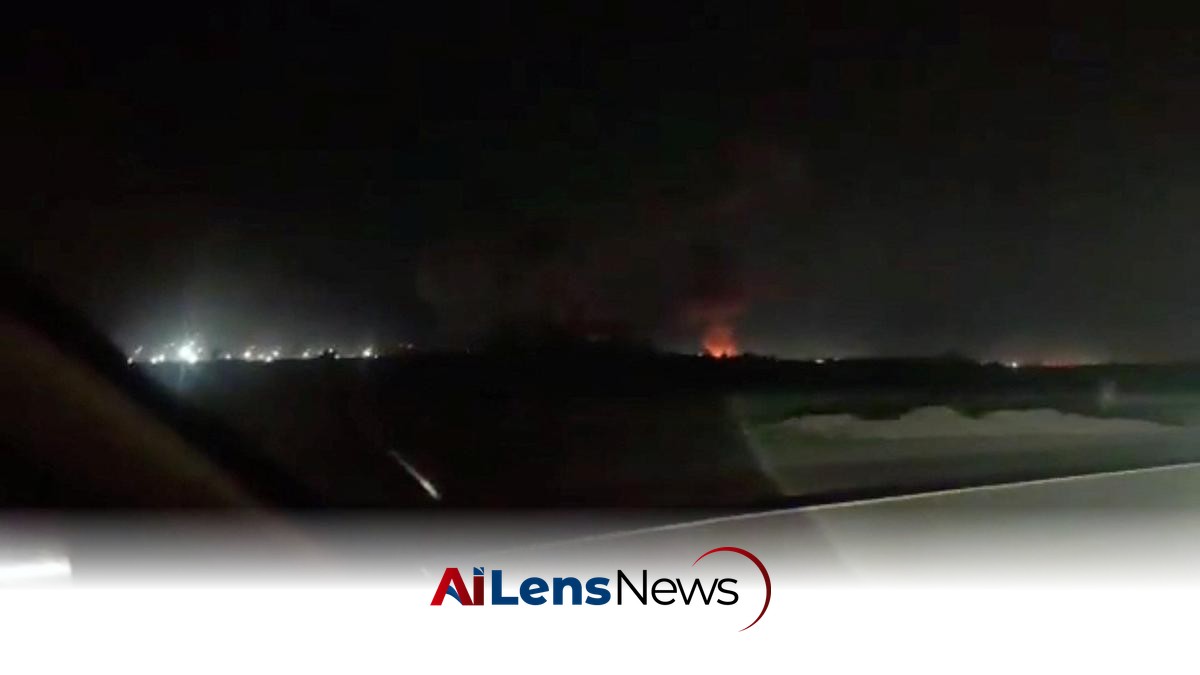


Iran's Health Ministry confirms 14 deaths and 78 injuries from recent U.S. airstrikes, escalating tensions in the region.
Tehran, Iran Jul 9, 2026 ALN: Two days of U.S. strikes against Iran have resulted in 14 fatalities and 78 injuries, as reported by Tehran's Health Ministry on Thursday, July 9, 2026. This escalation marks a significant increase in hostilities between the two nations, which have been embroiled in conflict for decades, with tensions reaching new heights in recent years due to various geopolitical factors. The historical context of U.S.-Iran relations is crucial to understanding the current situation. Following the 1979 Iranian Revolution, which saw the overthrow of the U.S.-backed Shah, relations between the two countries deteriorated sharply, leading to a series of confrontations, including the Iran Hostage Crisis and subsequent economic sanctions imposed by the U.S. over Iran's nuclear program and its support for militant groups in the region.
According to Hossein Kermanpour, the Ministry's Head of Public Relations, 47 of the injured individuals remain hospitalized, while the others have been discharged after receiving medical care. The high number of casualties underscores the severity of the situation and the potential for further escalation if diplomatic efforts are not made to de-escalate the conflict. This incident is not an isolated event; rather, it is part of a broader pattern of military engagements that have characterized U.S.-Iran relations in recent years, particularly following the U.S. withdrawal from the Joint Comprehensive Plan of Action (JCPOA) in 2018, which had aimed to limit Iran's nuclear capabilities in exchange for sanctions relief.
The U.S. initiated new airstrikes against Iran early on July 9, 2026. In response, Tehran targeted Gulf countries in a series of retaliatory attacks, raising concerns about the stability of an interim deal aimed at ending the ongoing conflict in West Asia. The series of retaliatory strikes from Iran indicates a significant shift in its military strategy, which could have far-reaching implications for regional security and international relations. The Iranian leadership has consistently framed its military actions as a defense of national sovereignty and a response to perceived aggression from the U.S. and its allies, particularly in the context of the heightened tensions following the assassination of Iranian General Qassem Soleimani in January 2020.
These back-and-forth assaults have repeatedly jeopardized the ceasefire, with Thursday's exchanges appearing particularly intense. Sirens were activated at least three times in Bahrain, which hosts the U.S. Navy’s 5th Fleet headquarters, and missiles were directed at Kuwait and Qatar. This heightened level of military engagement not only threatens the immediate safety of civilians in the region but also raises alarms about the potential for wider military confrontations involving other nations. The involvement of Gulf states, which have historically aligned with the U.S. against Iran, complicates the situation further, as any escalation could draw in a broader coalition of regional and global powers.
The strikes followed U.S. President Donald Trump's assertion that recent Iranian attacks on vessels in the Strait of Hormuz indicated the collapse of a fragile ceasefire. He warned that failure to cease these actions could escalate the conflict, potentially dragging multiple countries into war and disrupting crucial energy shipments through the strait, vital for the global economy. The Strait of Hormuz is a critical chokepoint for global oil transportation, with a significant percentage of the 's oil supply passing through this narrow waterway. Any disruptions here could lead to dramatic increases in oil prices and have cascading effects on economies wide. The geopolitical stakes are incredibly high, as many countries rely on the stability of this region for their energy needs.
The U.S. military’s Central Command reported hitting approximately 90 targets across Iran, releasing footage that appeared to show strikes on an airport runway and missile launchers. These strikes are part of a broader U.S. strategy to deter Iranian military capabilities, particularly those that threaten freedom of navigation in international waters. The U.S. stated that these strikes aimed to "further degrade" Iran’s capacity to threaten freedom of navigation in the strait, through which a significant portion of the ’s traded oil and natural gas passes. The ongoing conflict has already led to heightened military presence in the region, with the U.S. deploying additional naval assets to ensure the safety of shipping lanes.
During the ongoing conflict, attacks on ships and the threat of such actions have severely disrupted traffic in the waterway, leading to skyrocketing oil prices and increased costs for basic goods, including food, well beyond the region. The economic ramifications of this conflict are profound, affecting not only the countries directly involved but also global markets and the economy as a whole. Analysts warn that sustained military action could lead to a prolonged conflict, further destabilizing the region and exacerbating humanitarian crises.
Iranian state media reported explosions in various locations, including Bushehr, home to Iran’s nuclear power plant complex, and several southern port cities. The targeting of such critical infrastructure raises concerns about the potential for a humanitarian crisis, as attacks on civilian facilities can lead to significant loss of life and displacement. The situation is further complicated by the existing sanctions on Iran, which have already strained the country’s economy and healthcare system, making it difficult for the government to respond effectively to the needs of its citizens in the aftermath of such strikes.
In Khuzestan Province, at least three individuals were reported dead on Thursday, while in Iranshahr, a strike resulted in the death of a firefighter at an airport. These fatalities followed the deaths of at least nine members of Iran’s armed forces in strikes that occurred the previous day, although details regarding the timing and identities of other casualties remain unclear. The loss of both civilian and military lives highlights the indiscriminate nature of modern warfare and the tragic toll it takes on societies. The psychological impact on the population, particularly in areas directly affected by the strikes, cannot be understated, as fear and uncertainty permeate daily life.
For the first time since April, U.S. strikes also appeared to target Iranian infrastructure, including bridges. State media reported a strike on a railway bridge in Golestan Province, and the Revolutionary Guard indicated that two bridges were attacked on the route to Mashhad, where officials planned to bury the late Ayatollah Ali Khamenei on July 9, 2026. The targeting of infrastructure not only disrupts transportation and logistics but also sends a strong message regarding the U.S. commitment to countering Iranian influence and military capabilities in the region. This strategy may aim to weaken Iran's ability to project power beyond its borders, particularly in light of its support for proxy groups in countries like Iraq, Syria, and Lebanon.
The implications of these developments are significant. As the conflict escalates, the potential for a broader regional war increases, drawing in neighboring countries and possibly leading to a larger international confrontation. Moreover, the humanitarian impact of the strikes and retaliatory actions could lead to calls for international intervention and increased diplomatic efforts to restore peace and stability in the region. The international community is closely monitoring the situation, with many countries advocating for dialogue and negotiation as the best path forward to prevent further violence.
In conclusion, the recent U.S. strikes against Iran represent a critical juncture in the ongoing conflict, with the potential to reshape the geopolitical landscape of West Asia. As both sides continue to engage in military actions, the international community watches closely, aware that the consequences of this conflict could extend far beyond the borders of Iran and the Gulf states, affecting global security and economic stability for years to come. The need for diplomatic solutions has never been more urgent, as the cycle of violence threatens to spiral out of control, leading to catastrophic consequences for millions of people in the region and beyond.
To learn more about the latest developments in Wars & Conflicts, stay updated with our exclusive reports and analyses on AiLensNews.

