

The ICC has uncovered evidence linking Sudan's RSF leaders to war crimes in Darfur, marking a significant step in the investigation of ongoing atrocities.
New Delhi, India Jul 9, 2026 ALN: The International Criminal Court (ICC) has reported a significant breakthrough in its investigation into war crimes committed in the Sudanese region of Darfur, with evidence linking leaders of the paramilitary Rapid Support Forces (RSF) to recent atrocities. Nazhat Shameem Khan, the ICC's deputy chief prosecutor, shared these developments during an interview, highlighting the ongoing efforts of the court to seek justice for victims of the prolonged conflict in Sudan.
Khan stated that the ICC has gathered "concrete evidence" that connects RSF leaders to the massacres of civilians in the cities of el-Fasher and el-Geneina. She emphasized that while it may take time for justice to be served, the court is committed to pursuing accountability for these crimes. This commitment is particularly significant given the historical context of the violence in Darfur, which has seen multiple waves of conflict since the early 2000s.
The siege and subsequent takeover of el-Fasher marked one of the bloodiest periods in the ongoing conflict between the RSF and Sudan's army. According to the United Nations, over 6,000 individuals lost their lives during the RSF's assault on the city in October of the previous year. The RSF has consistently denied allegations of widespread killings in Darfur, claiming that such reports are exaggerated or politically motivated. This denial contrasts sharply with the accounts of survivors and witnesses who have fled the violence.
A recent report from a UN fact-finding mission corroborated claims of extensive atrocities committed during the conflict, implicating both the army and the RSF. The report highlighted that RSF fighters were primarily responsible for systematic attacks on civilians, often targeting individuals based on their ethnic backgrounds, which may constitute war crimes and crimes against humanity. This targeting of ethnic groups is reminiscent of earlier conflicts in the region, where similar patterns of violence were observed.
Furthermore, the report detailed instances of sexual violence, including rape and sexual slavery, perpetrated by RSF fighters during their capture of el-Fasher. This alarming trend underscores the severity of the situation in Darfur and raises concerns about the long-term impact on survivors and the broader community. Sexual violence in conflict zones is often used as a weapon to instill fear and exert control over populations, and the evidence gathered by the ICC may provide a basis for future prosecutions.
During her conversation with the BBC, Khan remarked, "We have now found concrete evidence that links what is happening on the ground through linkage evidence to specific persons in leadership mode." However, she refrained from providing a timeline for when charges might be filed against those responsible for the ongoing atrocities, which began in April 2023. The lack of a definitive timeline reflects the complexities involved in international legal proceedings, particularly in conflict zones where access to evidence and witnesses can be severely limited.
Despite the lack of a specific timeline, Khan noted that significant progress has been made in the investigation, stating, "But we can say that progress has been significant and that we have achieved a breakthrough." The ICC, headquartered in The Hague, holds the authority to prosecute individuals for genocide, crimes against humanity, and war crimes, and it has been actively working to build cases against those accused of such crimes in Sudan.
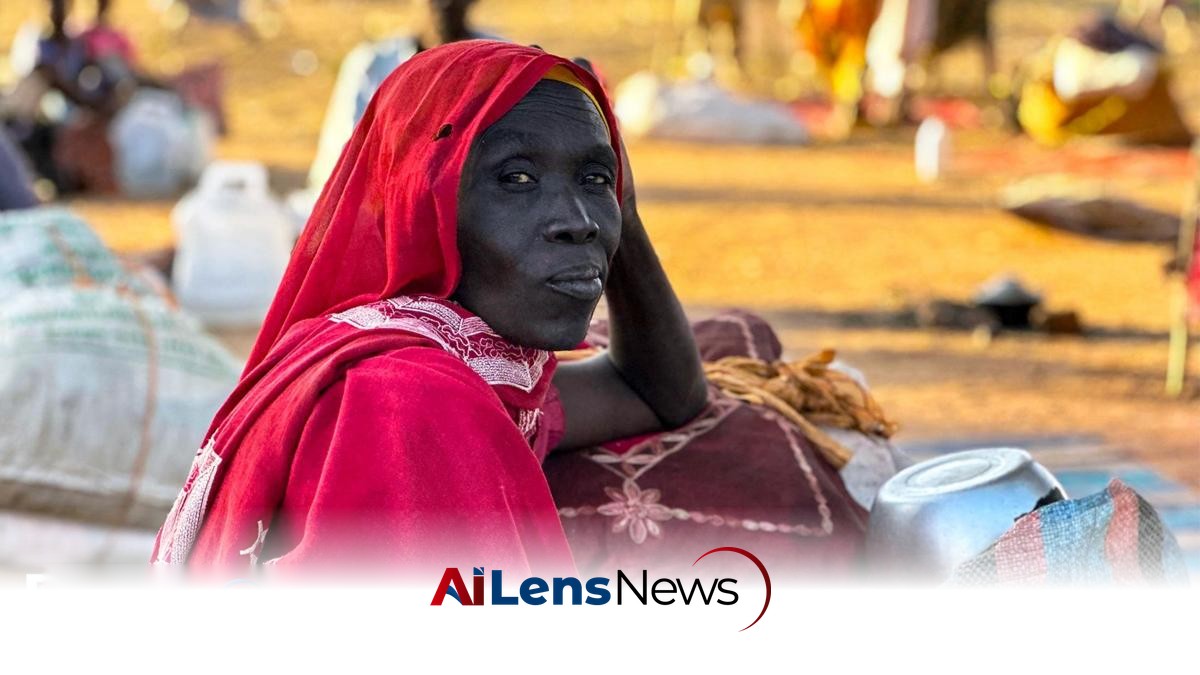
Khan's remarks followed her visit to refugee camps in eastern Chad, where she spoke with individuals who had fled the violence in Darfur. The UN has reported that tens of thousands have been displaced from el-Fasher, with the violence exhibiting characteristics reminiscent of genocide. The displacement crisis is compounded by humanitarian challenges, as many refugees face dire living conditions and limited access to essential services.
The RSF has denied claims that the killings in el-Fasher were ethnically motivated, asserting that they have been exaggerated while acknowledging some violations occurred. Shortly after the city was captured, RSF leader Gen Mohamed Hamdan Dagalo announced that the group was investigating allegations of atrocities. However, many observers remain skeptical of the RSF's commitment to accountability, given their history of violence and human rights abuses.
In recent warnings, the UK's Human Rights Ambassador, Eleanor Sanders, expressed concerns that the city of El-Obeid could face similar atrocities as those witnessed in el-Fasher. The UN's Human Rights Council has initiated an urgent investigation into alleged crimes committed during the conflict in El-Obeid, reflecting the international community's growing alarm over the situation in Sudan.
The ICC has been investigating allegations of war crimes in Darfur for over 20 years, following the previous wave of violence in the early 2000s. Khan noted that the patterns of offending observed today mirror those from two decades ago when the situation was first referred to the ICC by the Security Council. This continuity of violence raises critical questions about the effectiveness of international interventions and the challenges of achieving lasting peace in the region.
The ICC's investigation relies on witness accounts, testimonials, and corroborative evidence, including videos and forensic data. Previous investigations have resulted in seven arrests and six cases brought before the court for alleged war crimes and crimes against humanity, including charges against Sudan's former President Omar al-Bashir, who remains at large. The ongoing pursuit of justice for victims of the Darfur conflict underscores the importance of international legal mechanisms in addressing impunity.
Last year, the ICC sentenced a former militia leader to 20 years in prison for multiple counts of war crimes committed in Darfur between 2003 and 2004. This individual was a senior figure in the Janjaweed, a government-backed group that targeted non-Arab civilians in Darfur. This sentencing serves as a reminder of the court's role in holding individuals accountable for their actions, despite the challenges posed by ongoing violence and instability.
As the situation in Sudan continues to evolve, the ICC's efforts to hold perpetrators accountable for war crimes remain critical in the pursuit of justice for the victims of the ongoing conflict. The international community's response to the crisis will likely shape the future of Sudan, influencing both the potential for peace and the protection of human rights in the region. The developments in the ICC's investigation may also have broader implications for international law and the global fight against impunity for war crimes and crimes against humanity.
To learn more about the latest developments in Wars & Conflicts, stay updated with our exclusive reports and analyses on AiLensNews.

