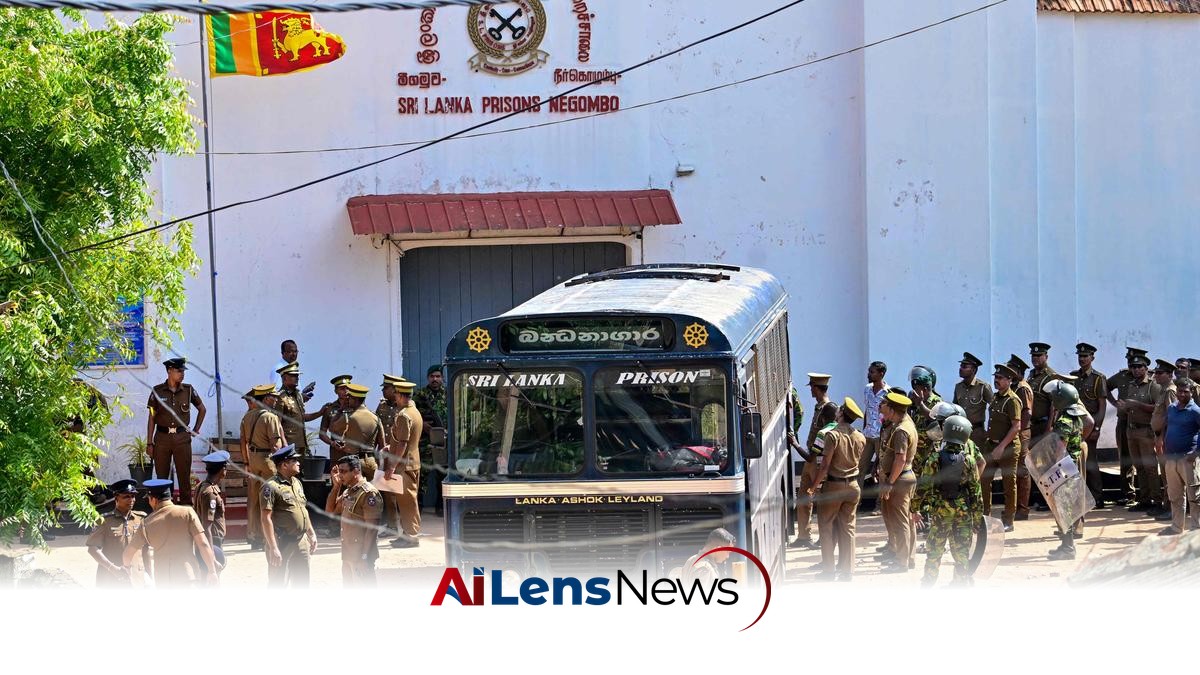


The Indian High Commission in Colombo is coordinating with the family of an inmate killed during recent prison riots in Sri Lanka, as investigations continue.
Sri Lanka, Sri Lanka Jul 10, 2026 ALN: The High Commission of India in Colombo is currently engaged in communication with both Sri Lankan authorities and the family of an Indian inmate who tragically lost his life during a recent prison riot. Sources confirmed this information on Friday, July 10, 2026. Despite the ongoing communication, there has been no official comment from either the Sri Lankan or Indian authorities regarding this incident.
The individual in question, identified as U. Sarathchandran, was 73 years old at the time of his death. He was among a total of 28 individuals who were killed during violent clashes that erupted within the confines of a prison located in Negombo, a city situated approximately 35 kilometers north of Colombo and in close proximity to the Bandaranaike International Airport. The riots occurred on July 6, 2026, and resulted in over 100 inmates sustaining injuries. This incident marks one of the most violent episodes in the history of Sri Lankan prisons.
In the aftermath of the riots, authorities took decisive action by transferring over 1,000 prisoners, including several Indian nationals, from the Negombo prison to various other facilities across the island. This measure was likely taken to prevent further violence and to ensure the safety of inmates following the chaotic events.
U. Sarathchandran reportedly hailed from the Indian state of Kerala. However, it has been stated by relatives from his native village that he relocated to Chennai over four decades ago and had since lost contact with his family back home. An official source, who requested anonymity, indicated that Sarathchandran's family wishes to keep the details surrounding his imprisonment and the circumstances of his death private. This desire for privacy underscores the sensitive nature of the situation and the potential stigma associated with incarceration.
In response to the tragic news of the Indian prisoner’s death, the Indian mission in Sri Lanka has taken diplomatic steps by sending a note verbale to Sri Lanka’s Ministry of Foreign Affairs. This formal communication signifies India's concern over the incident and its commitment to ensuring that the rights and welfare of its citizens abroad are prioritized.
Preliminary investigations into the riots suggest that the violence was incited by clashes between rival gangs within the prison. Reports indicate that tensions escalated after some gang members allegedly informed prison authorities about a drug operation occurring on the premises. This revelation likely heightened existing rivalries and contributed to the outbreak of violence.
Human rights advocates have long been vocal about the dire conditions within Sri Lankan prisons, particularly concerning chronic overcrowding. The overcrowding crisis has severely impacted living conditions and overall safety within these facilities. The current administration, led by Anura Kumara Dissanayake, has acknowledged the issue and is taking steps to expand prison capacity. Plans include utilizing an old hospital facility to accommodate the increasing number of inmates. Official statistics reveal that Sri Lanka currently houses around 42,000 inmates across its 22 prisons. Alarmingly, drug-related offenses account for approximately two-thirds of the total prison population, highlighting the significant impact of drug-related crime on the justice system.
In light of the recent violence at Negombo Prison, the Human Rights Commission of Sri Lanka has initiated an investigation to examine the circumstances that led to the riots, as well as the subsequent reports of violence in other prisons. The Commission has stated its intention to investigate the deaths and injuries of both inmates and prison officers, allegations of torture and ill-treatment of transferred inmates, and the denial of access to Commission staff who sought to visit Welikada Prison in Colombo. Furthermore, there have been reports of two inmates dying in custody, raising serious concerns about the treatment of prisoners within the system.
In addition to the Human Rights Commission's investigation, the Sri Lankan government has established a committee led by a retired Supreme Court judge to conduct a thorough inquiry into the incident. The Police Criminal Investigation Department is also actively pursuing a separate investigation. These efforts reflect a commitment to accountability and transparency in addressing the causes and consequences of the prison riots.
The implications of these developments are significant, as they highlight ongoing issues within Sri Lanka's penal system, including the urgent need for prison reform. The overcrowding crisis, combined with the violence witnessed in recent events, underscores the importance of addressing the root causes of unrest in prisons. As the investigations unfold, there may be calls for comprehensive reforms aimed at improving conditions for inmates, ensuring their rights are respected, and preventing future incidents of violence.
The situation also raises broader questions about the treatment of foreign nationals incarcerated in Sri Lanka, particularly in light of the Indian inmate's death. The Indian government’s response and its engagement with Sri Lankan authorities will be closely monitored, as it may influence diplomatic relations between the two countries. The handling of this case could set a precedent for how similar situations are managed in the future, underscoring the importance of international cooperation in addressing issues related to human rights and prison reform.
As the investigations continue, it remains to be seen what measures will be implemented to address the pressing issues within Sri Lanka's prison system and how the international community, particularly India, will respond to the tragic loss of life in this incident. The ongoing dialogue between the Indian High Commission and Sri Lankan authorities will be crucial in navigating the complexities of this situation and ensuring that the rights and welfare of all inmates are upheld.
To learn more about the latest developments in Regions & Countries, stay updated with our exclusive reports and analyses on AiLensNews.

