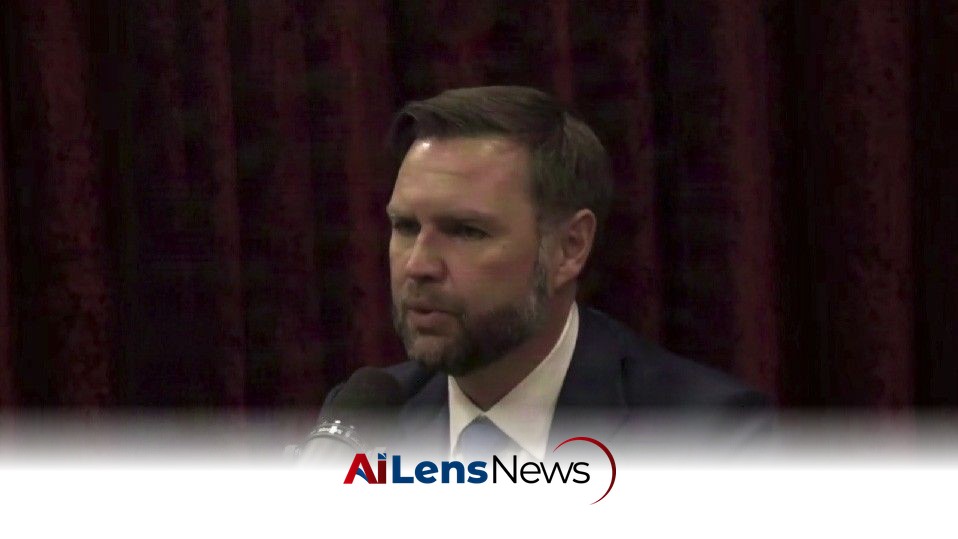


In a recent interview, US Vice President J.D. Vance emphasized the importance of diplomatic negotiations with Iran, cautioning against an endless bombing campaign.
New Delhi, India Jul 16, 2026 ALN: US Vice President J.D. Vance has defended negotiations with Iran, warning that an open-ended bombing campaign would not secure the Strait of Hormuz or produce lasting stability in the region. His comments come amid heightened tensions between the United States and Iran, a relationship that has been fraught with challenges for decades.
The Strait of Hormuz, a narrow waterway that connects the Persian Gulf to the Arabian Sea, is a critical chokepoint for global oil shipments. Approximately 20% of the world's oil passes through this strait, making it a focal point for international energy security. Vance's emphasis on diplomacy reflects a broader recognition that military actions alone may not effectively address the complexities of Iranian geopolitics.
In his remarks, Vance stated that the Trump administration was employing a multifaceted approach that combined diplomacy, economic pressure, and military force to prevent Iran from developing a nuclear weapon while ensuring that energy supplies continue to flow through this strategic waterway. This strategy underscores the administration's acknowledgment of the intricate balance required to navigate the challenges posed by Iran's nuclear ambitions and its influence in the region.
"The military is one tool, but diplomacy is another tool," Vance said during an interview on The Joe Rogan Experience. "So you've gotta actually be willing to talk and to try to figure out the problem." His comments highlight a shift in tone from previous administrations, which often leaned more heavily on military solutions in foreign policy. The Vice President's acknowledgment of the need for dialogue suggests a recognition of the limitations of military force in achieving long-term stability.
Vance also touched on his initial reservations regarding the US military campaign against Iran, indicating that he had been less enthusiastic about such measures. However, he emphasized his responsibility as Vice President to advise President Donald Trump and to implement the President's decisions, showcasing the complexities and challenges of decision-making at the highest levels of government. "My approach to this is not to Monday morning quarterback a decision that was made three months ago," he explained. "My approach to it is to try to make it as successful as possible." This statement reflects a commitment to supporting the administration's policies while also grappling with the implications of those choices.
One of the key components of the administration's strategy is the memorandum of understanding with Iran, which aimed to reopen the Strait of Hormuz, halt violence, and create a framework for negotiations regarding Tehran's nuclear program. Vance noted that the initial agreement helped restore oil traffic through the strait, a significant achievement given the strait's importance to global energy markets. However, he also pointed out that Iranian hardliners later feared that Tehran had surrendered its main source of leverage, leading to a resumption of attacks on ships in the region.
"What we're doing is a delicate diplomatic dance where we're using economic leverage points," Vance stated. "We're using carrots and sticks. We’re trying to talk to the pragmatists. And then of course, when they commit acts of violence, we're responding to it." This approach illustrates the administration's attempt to balance engagement with Tehran while remaining firm in the face of provocations. The use of economic leverage, such as sanctions, has been a cornerstone of US policy toward Iran, aiming to pressure the regime while leaving open the possibility for dialogue.
Vance assured that Iran's nuclear facilities remained destroyed and that enough oil and gas was moving through the Strait of Hormuz to prevent a global energy crisis. His confidence in the current state of affairs suggests that the administration believes it has effectively managed the situation, at least in the short term. However, he acknowledged that negotiations over the longer-term nuclear question were ongoing, indicating that the issue remains unresolved and will require continued diplomatic efforts.
In a critical tone, Vance sharply criticized US foreign policy hawks who oppose talks with Tehran and favor continued military action. "I think that their proposal is to bomb and bomb and bomb," he said. "And the honest view, Joe, is that they do not actually have a solution." This statement reflects a growing frustration among some policymakers with the traditional reliance on military interventions, particularly in light of the complex realities on the ground in the Middle East.
Vance ruled out deploying US ground forces to overthrow Iran's government, warning against repeating the consequences of intervention in Libya. The aftermath of the US-led intervention in Libya in 2011 serves as a cautionary tale for many policymakers, illustrating the potential for chaos and instability that can follow military interventions. "We're not gonna send 150,000 ground troops in, in order to accomplish a change in a regime," Vance said. "We're not in that business anymore." His comments suggest a broader strategic pivot away from direct military engagement and toward a more nuanced approach that prioritizes diplomatic solutions.
The implications of Vance's statements extend beyond US-Iran relations. They reflect a growing recognition within the US government of the need for a comprehensive strategy that addresses not only military challenges but also the underlying political and economic factors driving conflict in the region. As the Biden administration continues to navigate its own approach to Iran, Vance's comments may signal a possible shift in how the US engages with adversaries and seeks to resolve complex international issues.
In conclusion, Vice President J.D. Vance's advocacy for diplomacy over military action in Iran underscores the complexities of US foreign policy in the region. As tensions continue to simmer, the need for a balanced approach that incorporates both diplomatic engagement and strategic deterrence will be crucial in shaping the future of US-Iran relations and ensuring stability in the broader Middle East.
To learn more about the latest developments in Culture & Society, stay updated with our exclusive reports and analyses on AiLensNews.

